
9 Road Trips Built Around Trains and Ferries
The best part of a road trip may be the stretch when nobody has to drive. A train can replace a congested city approach, and a ferry can turn a long shoreline transfer into a break with a view. But mixing transport modes adds decisions: can you take a car aboard, do you need a reservation, will you have enough time to connect, and can you reach the places you want without a vehicle?
These nine ideas use trains or ferries as a deliberate part of the route, not just as a novelty. Some work best with your car left at home; others are built for drivers who want to carry the vehicle across water. Before booking, compare the full door-to-door time and cost, check current schedules and vehicle rules, and leave a buffer for delays. A scenic crossing is only relaxing when the rest of the plan has room to breathe.
Decide whether the car belongs on the trip
Start with the destinations, not the romance of the mode. If most of your stops are walkable or connected by transit, a train-first trip can save you parking, city traffic, and the stress of driving after dinner. If you are visiting dispersed trailheads, rural lodging, or several small towns, a car may make the trip workable. A car ferry is useful when it connects two sides of a route that would otherwise require a long drive; it is less useful when sailing frequency or weather would make your schedule brittle.
Compare the total cost, including tickets, vehicle fare, reservations, parking, fuel, tolls, transit, and overnight stays. Then compare the worst-case connection: if the train is late or a sailing is canceled, what is the next realistic option? Build in enough time that a missed departure is inconvenient rather than trip-ending. Confirm accessibility and luggage policies directly with the operator, since they vary by route and service.
Nine trips where a rail or ferry leg earns its place
1. Seattle and Bainbridge Island by ferry, with the car optional
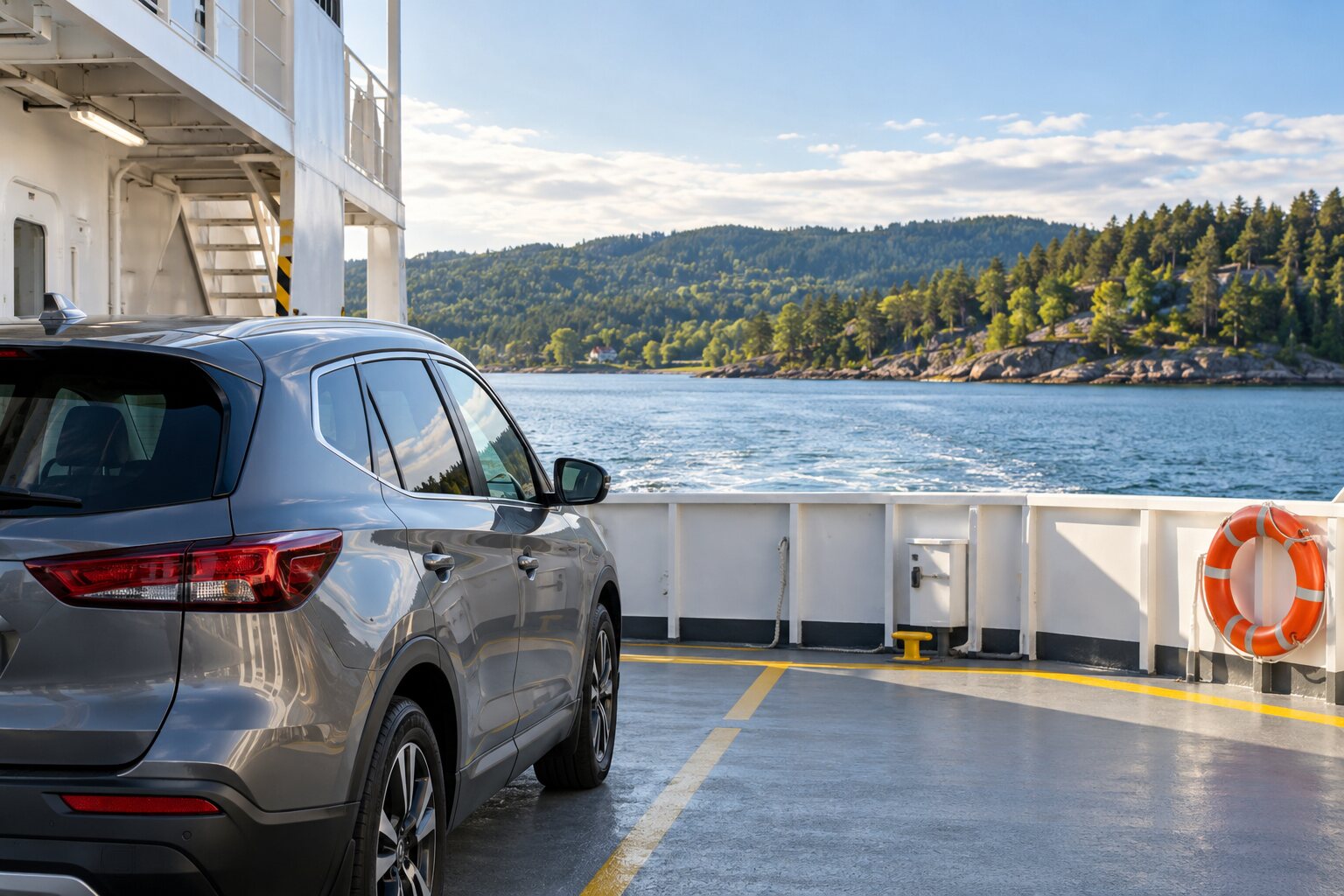
Take the Washington State Ferries crossing between Seattle and Bainbridge Island as a walk-on passenger if your plan centers on the island’s town and you do not need to explore far beyond it. Bringing a vehicle adds flexibility for dispersed stops but changes the fare, reservation or queue plan, and the time you need at the terminal. Check the operator’s current vehicle rules and sailing status before choosing. This is a good first car-free ferry outing because the departure point and arrival town can support a simple walking day.
2. Olympic Peninsula loop with a Bainbridge or Kingston ferry decision
For a longer Olympic Peninsula drive, choose the outbound ferry based on your starting point and the destination cluster you plan to visit. A vehicle crossing can shorten the route, but sailing waits and seasonal traffic need to be part of the timing. Do not book lodging at the far end with an unrealistically tight connection. If schedules do not line up, use a highway route as the fallback and preserve the ferry for a later day. The peninsula is large enough that one ferry cannot turn it into a quick loop; plan overnights near the activities you care about.
3. Cape May to Lewes with a car ferry across Delaware Bay
The Cape May–Lewes Ferry connects two coastal regions and can replace the longer drive around Delaware Bay. It makes sense when both ends of the crossing fit your itinerary, such as a South Jersey and Delaware beach trip. Compare the sailing time and check-in requirement with the road alternative, including how far you still need to drive after disembarking. Check current fares, vehicle dimensions, booking rules, and service alerts before you set lodging times. This route works best when the ferry is part of the trip’s rhythm rather than a rushed transfer.
4. Chicago to Milwaukee by Amtrak, then explore without downtown parking
Use the train for the city-to-city leg and skip a car if your Milwaukee plans stay close to downtown, the lakefront, or local transit. If you want outlying attractions or a day in rural Wisconsin, rent a car only for that portion. The train removes parking and highway stress but introduces a timetable and station-to-hotel transfer. Check the current schedule and service notices, and do not plan a critical same-evening connection on a slim buffer. This is a good fit for travelers who want two urban weekends joined by a relaxed ride.
5. Boston to Maine on the Downeaster, with a local car only if needed
Ride the Amtrak Downeaster from Boston toward southern Maine and stay near a station for a walkable visit. If your trip continues to coastal villages or trailheads beyond practical transit, compare a one-day rental with bringing a car for the entire trip. The rail leg can simplify the city portion, but station access, lodging location, and luggage determine whether the overall plan is convenient. Check the current route schedule and train amenities before promising a particular departure to the group.
6. New York City to the Hudson Valley with a train-based base
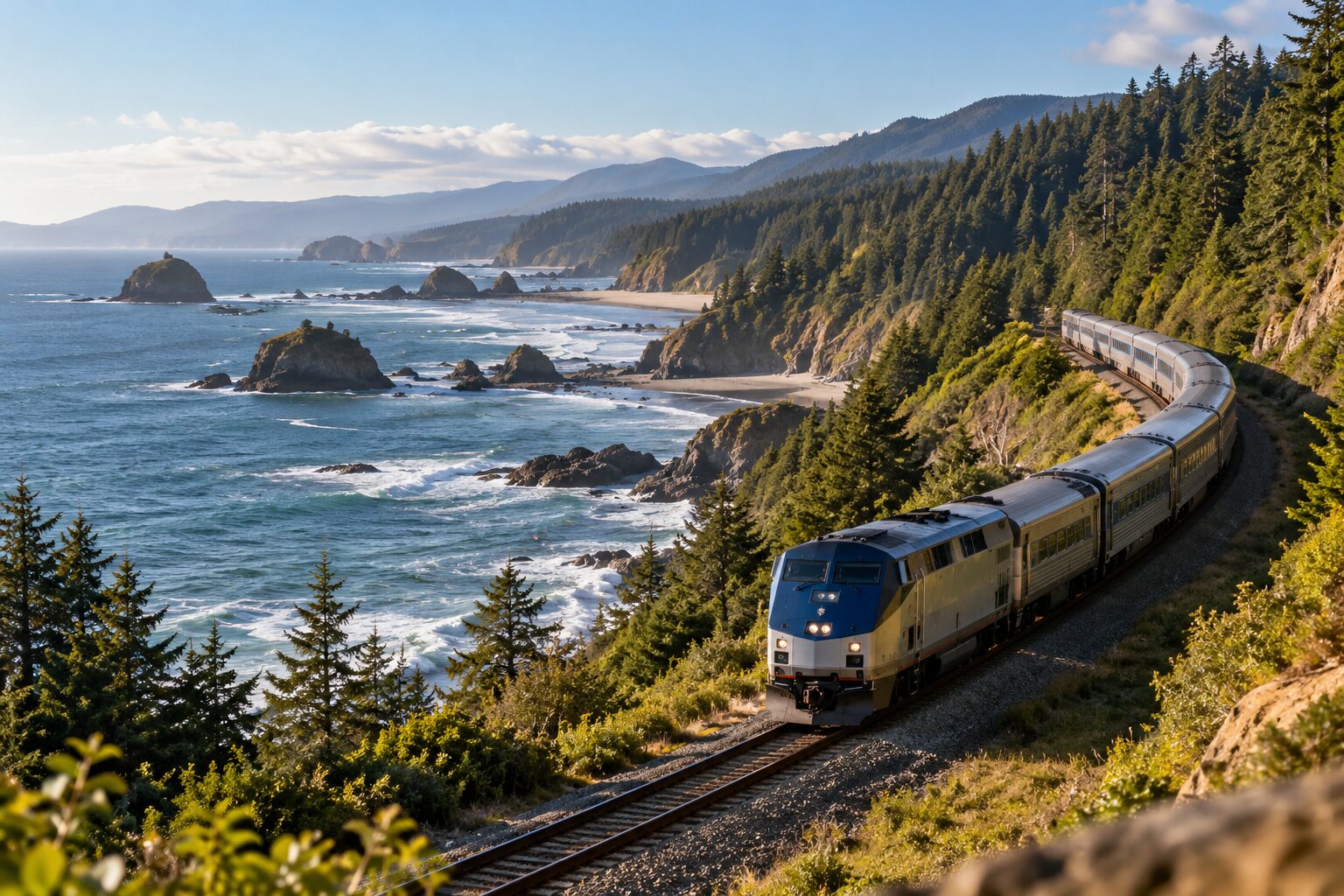
Choose a Hudson Valley town served by rail and make the train the main transfer. This can be ideal for a weekend of river walks, museums, and restaurants near the station. For hikes or wineries farther away, book a local shuttle, guided outing, or short rental only after confirming it actually serves your chosen stops. Avoid assuming that a train station automatically means a car-free destination. This trip rewards travelers who select the town for its local walkability rather than trying to reproduce a driving itinerary without a car.
7. Washington, D.C. to Philadelphia by train, then use transit for the city stay
Connect the two cities by rail and leave the car at home if your itinerary focuses on central museums, neighborhoods, and dining. A road trip between them can become mostly traffic and parking, while the train lets you use the arrival time to start walking. Compare station proximity, ticket change rules, and the cost of taking a taxi or transit to lodging. If you are traveling with bulky luggage or mobility equipment, check the station and train access details in advance.
8. Port Angeles to Victoria by the Black Ball Ferry
The international ferry between Port Angeles and Victoria can link a Washington road trip with a Canadian city stay. Decide whether to take the car or travel as a foot passenger based on where you will stay and how much of Vancouver Island you plan to explore. The crossing requires border documents and schedule planning, so verify current entry rules, vehicle booking terms, and check-in times with the official operator and government sources. Do not rely on an old blog post for border or sailing requirements. This is a memorable combination when both sides have enough nights to justify the crossing.
9. Alaska coastal travel by the Alaska Marine Highway System
The Alaska Marine Highway System can connect communities that are not joined by a continuous road route. Some travelers bring a vehicle; others travel as passengers and arrange local transport. This is a trip that rewards early planning: schedules are seasonal, sailing durations vary, and weather or service changes can affect the itinerary. Review the current route map, booking rules, vehicle requirements, and passenger accommodations. Plan lodging with the schedule in mind and include a buffer day if a tight connection would disrupt the rest of your travel.
A simple mode comparison before booking
| Question | Train is stronger when… | Car or vehicle ferry is stronger when… |
|---|---|---|
| Where are the stops? | They cluster near stations or transit. | They are spread across rural areas or trailheads. |
| What is the main cost? | Parking, city traffic, or an expensive rental. | Tickets for multiple travelers or remote local transfers. |
| How flexible must the day be? | You can work around a published timetable. | You need spontaneous stops or a changing route. |
| What if plans change? | There are later departures or easy alternate transit. | You can drive around a cancellation or have a backup sailing. |
| How much luggage? | You can manage bags through stations and transfers. | Bulky gear or child equipment is easier in your own vehicle. |
Make the connection feel like part of the trip
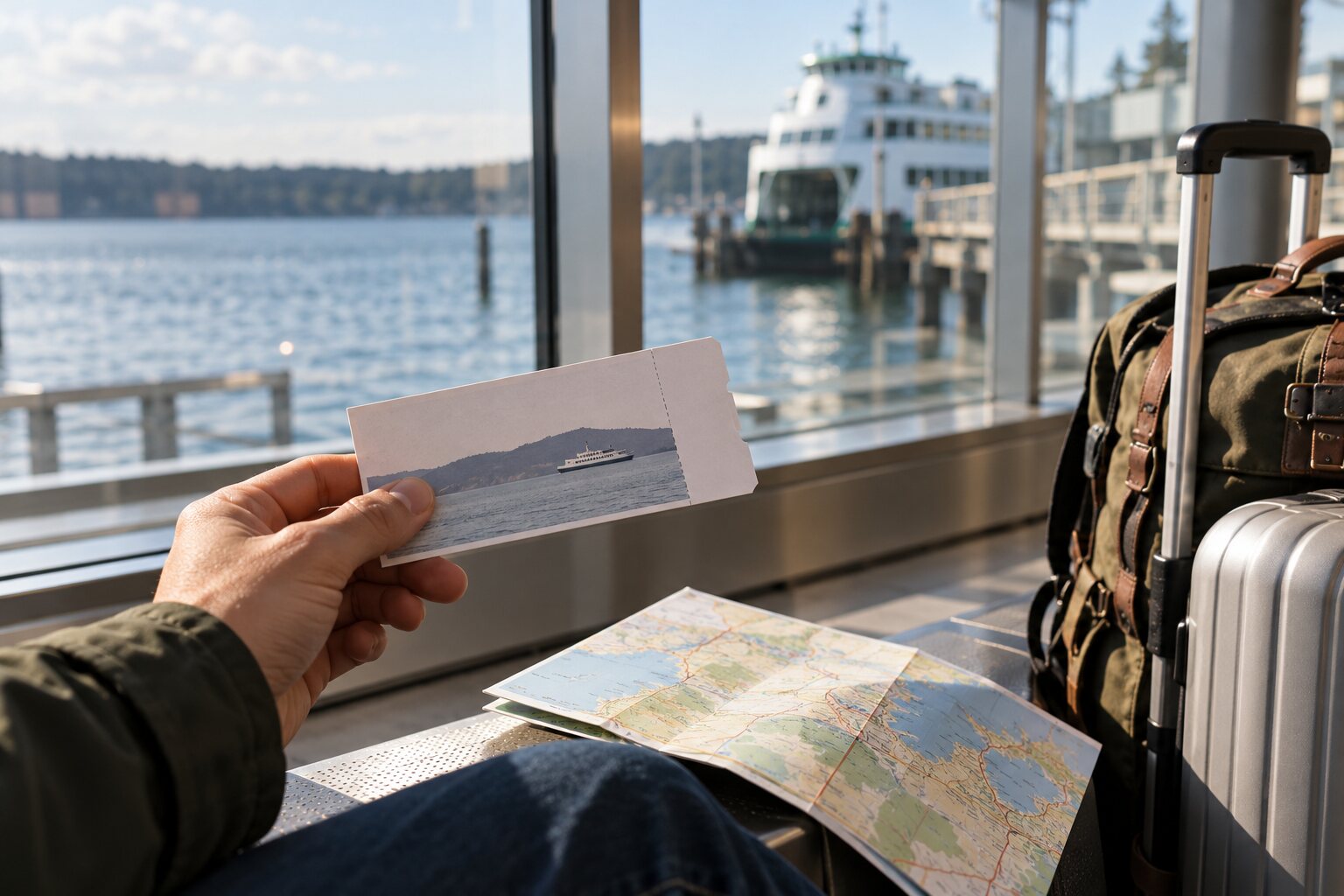
Keep transfer day light. Avoid a timed museum entry immediately after a ferry arrival or a hotel check-in that depends on a train arriving exactly on schedule. Save the operator’s alerts page, ticket details, and station or terminal directions offline. If you need a car after the train, book the rental near the station and verify opening hours; airport counters may not be practical. If you travel with mobility equipment, confirm boarding assistance and vehicle or baggage arrangements directly with the carrier.
For a multi-person group, compare the door-to-door cost rather than the headline ticket. Add local rides, parking, fuel, tolls, luggage, and the value of an extra hotel night if a connection does not work. Then ask which mode makes the trip easier for the people who are actually going. A scenic train may be ideal for a couple who wants a city weekend; a car ferry may be essential for a family carrying beach gear. The right answer can change even for the same destination.
For each crossing, save the booking confirmation and identify the cutoff for changes or refunds. If you are traveling with a car, verify vehicle height or length limits, fuel restrictions, loading instructions, and whether roof cargo changes the fare. If you are walking on, check whether bags or bicycles require separate arrangements. These details are operator-specific and can change; use the current sailing or rail page for your date instead of relying on an old itinerary.
Think through the first and last mile as carefully as the crossing. A train station may be central but still a long walk from your hotel with luggage; a ferry terminal may have limited onward transit at the time you arrive. Check taxi, bus, or rental hours for the actual arrival time, not a typical weekday. If you need a vehicle at the far end, confirm that a local rental company will be open and that your booking matches the arrival terminal. This prevents a scenic crossing from becoming a late-night scramble.
For a ferry, ask whether your departure is confirmed, whether you must arrive early, and what happens if weather interrupts service. For a train, check ticket exchange rules, station accessibility, and whether the trip has a reliable alternative later that day. Carry medications, a phone charger, and one change of clothes in a bag you keep with you. These are modest precautions, but they matter when a delay separates you from checked or vehicle-stored luggage.
Check the transfer details before you build the itinerary
Rail and ferry routes reward travelers who plan around the timetable rather than trying to fit them into a car itinerary at the last minute. Check the exact departure station or terminal, how early passengers should arrive, and whether the service runs daily in your travel season. A route may have fewer departures on weekends or in winter. If you are connecting from another train, leave a buffer that accounts for delays and station navigation. If missing a departure would strand you overnight, know the next service and where you could stay.
Decide what to do with luggage and the car at each stage. Some stations have secure storage or practical rental counters; others do not. Ferry rules can differ for walk-on passengers, bicycles, pets, and vehicles, and reservations may be essential on busy dates. If you are driving onto a ferry, read the operator’s vehicle size, check-in, and boarding instructions. Do not assume a rental agreement permits every ferry or border crossing; get permission from the rental company before booking a nonrefundable sailing.
The best mixed-mode trip often includes a deliberate reset day. A train ride can replace a tiring highway leg and give the group time to read, eat, or look out the window, but station transfers still take energy. A ferry may be the highlight, yet weather can alter schedules. Keep essential medication, documents, chargers, and one change of clothes with you rather than buried in checked luggage or a car trunk. That small carry-on plan makes a delay easier to manage and keeps the scenic part of the journey enjoyable.
Sources
- https://wsdot.com/ferries/schedule/
- https://www.cmlf.com/
- https://www.blackballferry.com/
- https://amhs.alaska.gov/
- https://www.amtrak.com/routes
- https://www.amtrakdowneaster.com/
- https://travel.state.gov/content/travel/en/international-travel.html