
18 Regional Foods to Try on a Cross-Country Road Trip
A cross-country drive is a moving window onto how the United States eats. The trick is to avoid turning every state line into a mandatory stop. Choose a few regional foods that fit your route, your appetite, and the time you have, then leave space for an unexpected diner or farm stand. A good road-trip food plan has variety: one iconic sandwich, one regional specialty, one sweet stop, and meals that do not require an hour-long detour.
This list follows broad east-to-west corridors and offers 18 foods worth seeking out. Regional boundaries are porous, and a dish may be shared by neighboring states or communities. Treat these as prompts to explore local menus rather than a checklist of “authenticity.” Restaurant hours, seasonal specials, and ingredient availability change. Confirm details with the business before making a long drive for one particular dish.
Plan the route before you plan the bites
Map your actual drive first. Add meal stops only where they naturally fit a fuel break, overnight stay, or scenic detour. For each day, pick one food anchor and one backup within a reasonable radius. Check whether the kitchen is open when you will arrive and whether parking is available. Leave a buffer for traffic and rest stops; arriving hungry at a closed restaurant can derail an otherwise pleasant day. If you are driving through rural areas, keep snacks and water in the car so the trip does not depend on one business being open.
18 regional foods for the road
1. New England: clam chowder
Look for a creamy New England-style chowder near the coast or in a seafood-focused town, but choose a place that fits your route rather than chasing a single famous bowl. Ask whether the chowder is made in-house and whether it is served by the cup or bowl. A cup makes a better stop on a day when you still have miles to cover. Pair it with a walk near the harbor, and keep a second meal lighter if the bowl is rich.
2. Maine: lobster roll
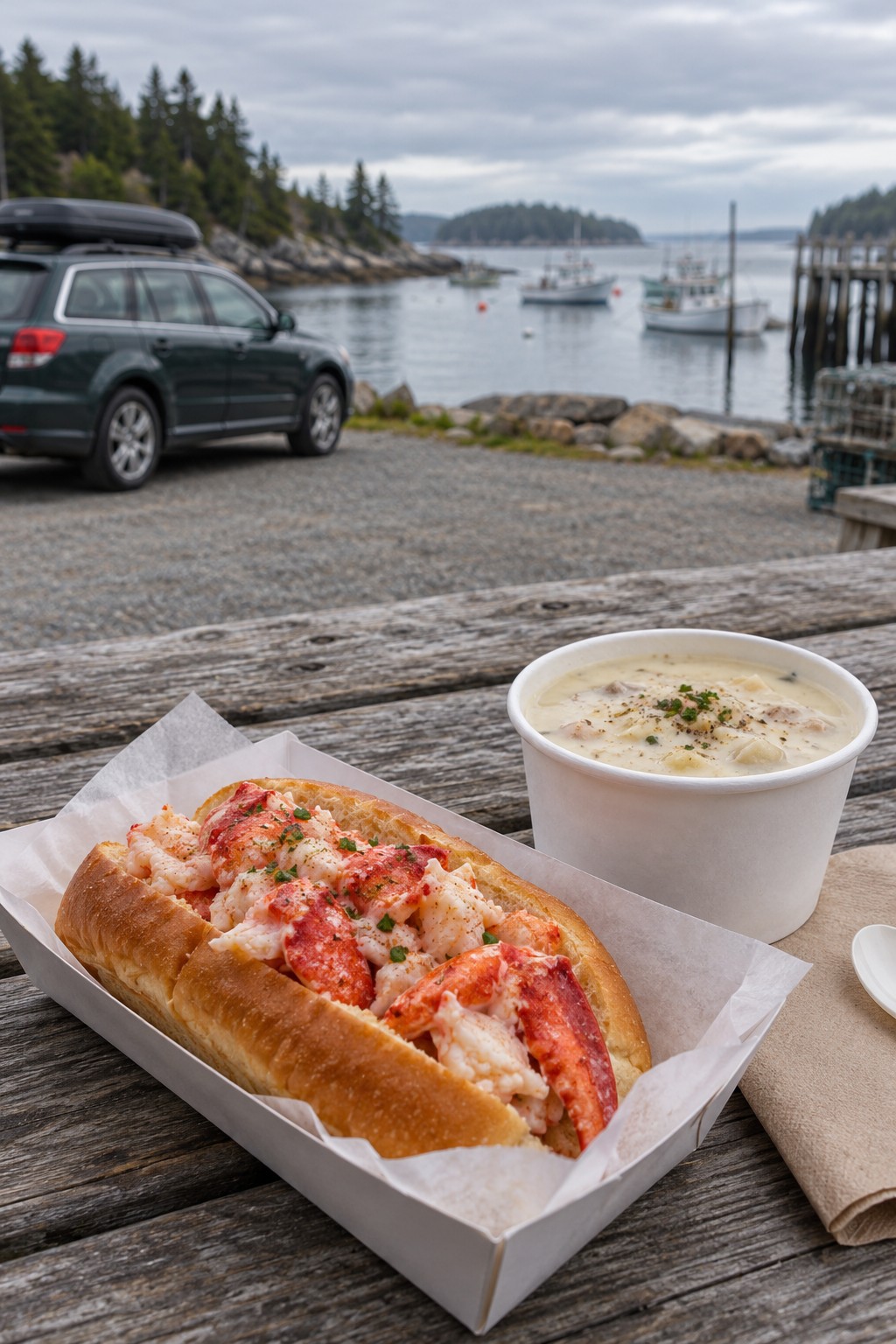
A lobster roll is a good lunch when you can eat it soon after ordering. Compare the roll style and preparation—warm with butter or chilled with a light dressing—rather than assuming one version is universal. Check current prices before ordering, and consider a smaller size if the day includes more food stops. Coastal traffic and seasonal hours can change the best time to visit, so make a backup plan in the same town.
3. Pennsylvania: soft pretzel
A soft pretzel is ideal between longer meals: portable, familiar, and easy to share. Choose a bakery or market stop that sits naturally on the route, and eat it fresh rather than leaving it in a hot car. If you want to bring some along, check the bakery’s packaging and how long the product keeps its texture. A pretzel can be a small regional pause without forcing a full sit-down meal into the drive.
4. Philadelphia: cheesesteak
Plan a cheesesteak stop when you have time to park, order, and sit down. Decide in advance whether you prefer sliced or chopped beef, which cheese you want, and whether onions belong in the order. A sandwich is filling, so avoid pairing it with another large meal immediately afterward. If Philadelphia is a stopover, choose a shop near a walk or historic site and verify current hours. Official local guide: https://www.visitphilly.com/food-drink/philadelphia-cheesesteaks/
5. New Jersey: tomato pie or a local diner breakfast
New Jersey has several local food traditions, and the right choice depends on where you are driving. A tomato pie or diner breakfast can make a practical stop without taking you far from major roads. Look at menus and reviews for current offerings, then call ahead if a specific pie is the reason for the detour. A diner is especially useful for mixed appetites because groups can order different portions and get back on the road without hunting for multiple places.
6. Maryland: crab cake
A crab cake can be a worthwhile anchor near the Chesapeake, especially if the restaurant explains its crab sourcing and preparation. Ask whether the cake is broiled or fried, what sides come with it, and whether the menu uses a filler-heavy or crab-forward recipe. Prices and availability vary, so check before making a dedicated stop. If you are traveling in warm weather, eat the seafood promptly and do not keep leftovers unrefrigerated in the car.
7. North Carolina: pulled-pork barbecue
North Carolina barbecue styles differ across the state, so let the region you are passing through guide the order. Ask what cut and sauce the restaurant serves, and whether the meat is sold by the sandwich or plate. A sandwich is easier to fit into a long driving day; a plate is better if you are staying nearby. Plan the stop away from the busiest traffic window and check the restaurant’s hours—some beloved places keep limited schedules.
8. Louisiana: boudin or gumbo
In Louisiana, a small boudin stop can work as a snack, while gumbo makes more sense as a sit-down meal. Ask about fillings and spice if you have dietary needs. Choose the format according to the day: a portable bite for a short break or a bowl when you are done driving. Keep hot food hot and cold food cold; the USDA recommends limiting perishable food at room temperature to two hours, or one hour above 90°F. https://ask.fsis.usda.gov/article/What-is-the-2-Hour-Rule-with-leaving-food-out
9. Tennessee: hot chicken
Hot chicken can be a memorable lunch, but spice levels vary by restaurant. Start mild or ask staff to explain the scale, particularly if you are continuing to drive soon afterward. Choose a place where you can sit and drink water, and avoid ordering more than you can comfortably finish. A Nashville stop can combine the dish with music or a neighborhood walk; do not make the meal a dare that distracts from the rest of your trip.
10. Kentucky: the Hot Brown
The Hot Brown is a rich open-faced sandwich and suits an overnight stop better than a rushed roadside break. Check that the restaurant currently serves it and whether it is a lunch or dinner option. Share one if you want to continue sampling regional food. Use the meal as a reason to spend an evening in Louisville, then get an early start after breakfast. A destination dish can make a city stop feel special without requiring an elaborate itinerary.
11. Missouri: toasted ravioli
Toasted ravioli is a St. Louis specialty that works well as a shareable starter. Order it before deciding whether everyone wants a full meal, and ask about fillings and sauces. The portion can be more substantial than a small snack, so one order may be enough for a group. Pair the stop with a walk or a visit to a nearby attraction, then keep the drive schedule realistic—food stops are more enjoyable when they are not squeezed between tight arrival deadlines.
12. Kansas City: burnt ends
Burnt ends are smoky, rich, and often filling. Check whether they are available the day you pass through; a restaurant may sell out or serve them only at certain times. Compare sauce on the side and consider a shared order with one lighter side. Kansas City barbecue is a great overnight dinner, not necessarily an efficient drive-through meal. If the stop requires crossing town, weigh the detour against traffic and your next planned break.
13. Texas: breakfast tacos
Breakfast tacos are built for an early departure, but a good stop depends on the opening time and your route. Choose a shop near your lodging or highway access, decide on fillings, and ask about salsa heat. If you are driving through a hot region, do not leave egg or meat tacos sitting in the car for later. Eat them fresh, then plan a proper rest break rather than trying to multitask breakfast behind the wheel.
14. New Mexico: green chile stew
Green chile stew is a warming meal that makes sense during a cooler-weather stop, though menus and heat levels vary. Ask whether it contains meat or beans, how spicy it is, and whether it is available year-round. A bowl pairs well with a scenic walk or a break from driving. If you want to bring chile home, choose sealed shelf-stable goods and review airline and destination rules before packing them.
15. Colorado: green chile or a mountain-town pie
Colorado food stops depend heavily on elevation and route. In some towns, green chile appears on breakfast and lunch menus; elsewhere, a bakery pie or hearty soup is the practical choice. Check the menu and hours before making a detour, and allow extra time on mountain roads. Avoid overloading the day with long food stops if weather or daylight may affect driving. Choose one local meal and enjoy the scenery between towns.
16. New Mexico and Arizona: fry bread or a regional chile dish
Fry bread and other Indigenous food traditions deserve respectful, community-led context. Seek out businesses and cultural venues that describe their own food, history, and offerings rather than treating a dish as a roadside novelty. Ask what is available and how the proceeds support the community, if that information is shared. Do not assume every establishment prepares the same dish or has the same menu. Build the stop around the people and place as well as the food.
17. California: fish taco
A fish taco is an easy coastal lunch when you can find a place near your route and eat shortly after ordering. Compare grilled and fried versions, toppings, and portion sizes. Ask what fish is being served if that matters to you, since availability can change. Keep a backup meal in mind if the restaurant is closed or the line is long. A taco stop is best paired with a beach or harbor walk, not a long drive with seafood sitting in the car.
18. Pacific Northwest: marionberry pie or salmon
Finish a westbound route with a seasonal berry dessert or a salmon meal, depending on the time of year and your appetite. Ask whether a bakery’s pie is made in-house and whether whole pies need advance ordering. For salmon, compare preparation and source rather than assuming every menu item is local. Pick a stop that also gives you a pleasant walk or view. A final dessert is a simple way to mark the end of a long drive without turning dinner into another destination quest.
Keep food safe between stops
- Use a cooler with ice or frozen packs for perishables, and keep it out of direct sun.
- Separate raw items from ready-to-eat food.
- Eat hot food promptly; do not leave it in a parked car.
- For food held at room temperature, follow USDA time guidance: two hours maximum, or one hour above 90°F.
- Pack water and shelf-stable snacks so traffic does not force an unsafe food choice.
- Check airline and border rules before carrying produce, meat, or liquids across jurisdictions.
A sample route rhythm
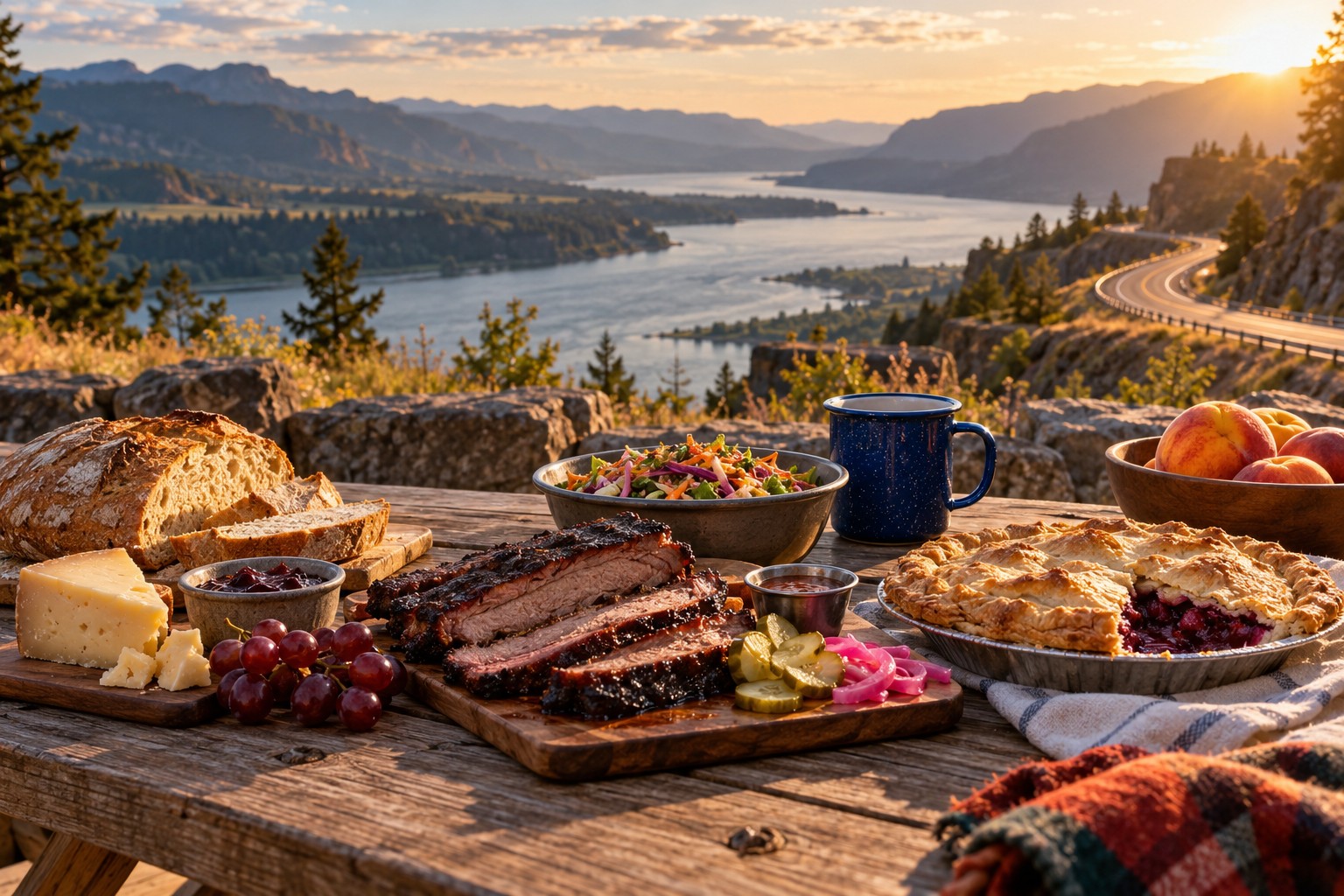
On a long travel day, make breakfast simple, choose one planned lunch anchor, and keep a flexible snack for the afternoon. On an overnight stop, give yourself time for a regional dinner and a short walk. On the next morning, choose something light and portable. This pattern creates variety without eating heavily at every state line. Save restaurant names in a map with a backup nearby, and check the route again on the morning of travel for construction, weather, or changed business hours.
The best cross-country food itinerary is a framework, not a scavenger hunt. Pick dishes that interest you, treat local traditions with curiosity, and give yourself time to enjoy each stop. If a plan falls through, the road will offer another diner, bakery, or family-run counter worth remembering.
Choose a food stop that fits the route
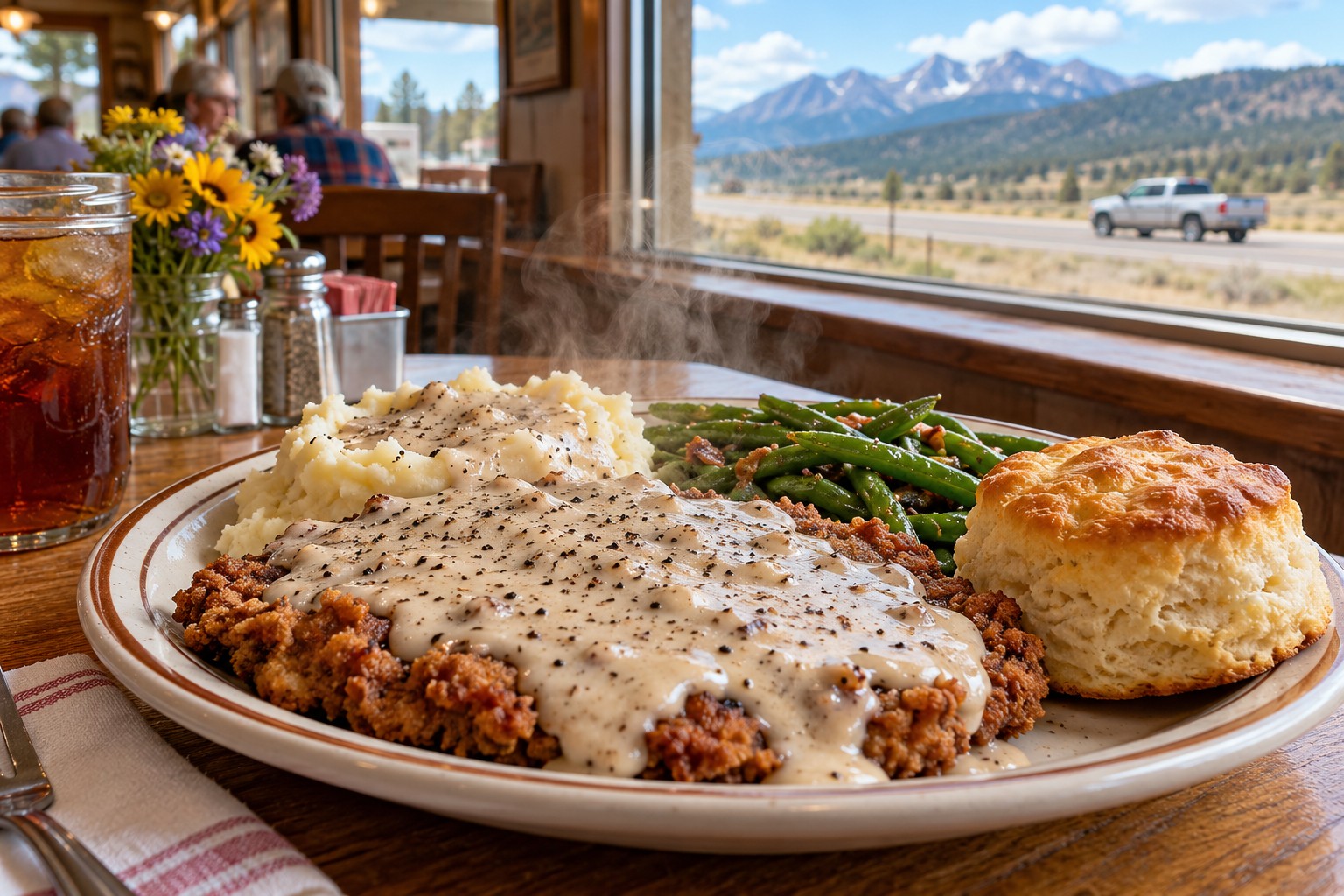
Use the dish as a reason to pause, not a reason to add hours of backtracking. Mark the nearest town or service area where the specialty is commonly available, then compare that stop with your fuel, rest, and overnight plans. A local diner or market can be more rewarding than a famous detour if it keeps the day comfortable. Check current hours and whether the item is seasonal, and call ahead when a specific dish is the point of the stop. Regional food names can cover different recipes, so ask what the kitchen means by the menu description.
For a long drive, place the main meal before the stretch with fewer services, and keep a lighter backup snack in the car. Do not leave perishable food in a hot vehicle; choose shelf-stable purchases for the road and save refrigerated items for the end of the day. If you are crossing state or national borders, check restrictions before carrying produce, meat, dairy, or homemade food. A planned stop should make the drive more pleasant and predictable, not add food-safety or timing stress.
Sources
https://www.visitphilly.com/food-drink/philadelphia-cheesesteaks/
https://ask.fsis.usda.gov/article/What-is-the-2-Hour-Rule-with-leaving-food-out
https://www.fsis.usda.gov/food-safety/safe-food-handling-and-preparation/food-safety-basics/food-safety-while-hiking-camping
https://www.tsa.gov/travel/security-screening/whatcanibring/all-list?pubDate=20250608