10 Museum-Day Plans With Quiet Breaks and Seating
Museum days often look restful on paper: an indoor visit, a café, and maybe a second gallery. In practice, the entrance queue, security, bright rooms, hard floors, echoing halls, and long walks between exhibits can use up a traveler’s energy before the first planned break. A better visit begins with an honest limit, a known place to sit, and permission to leave a room before you feel depleted.
These ten day plans are templates for different energy levels, sensory needs, and group styles. They do not assume that a museum has a quiet room, accessible seating, or the same hours every day. Check the venue’s current access page, floor map, bag rules, and event calendar; then call about the details that affect your visit. The strongest plan has one highlight, one reliable break, and an easy exit.
10 museum-day plans that leave room to reset
1. The one-gallery visit
Choose one gallery or exhibit as the entire destination, not the opening act for a full museum marathon. Check its location on the floor plan, where the nearest seating and restroom are, and whether a lift or long corridor separates it from the entrance. Arrive with enough time to use the restroom, settle, and look at the map before walking in. Stay for a set window—perhaps 45 minutes—then decide whether to continue. This plan works especially well when the museum itself is the main goal and a shorter visit still feels complete.
2. The quiet-morning plan
If noise and crowds build your stress, choose the earliest suitable entry and arrive before school groups or special events when possible. Ask the museum which day or time is usually calmer, but treat the answer as a forecast, not a guarantee. Start in a lower-traffic room, carry ear protection or other comfort items you already use, and avoid a timed guided tour if you need the freedom to pause. Plan a quiet lunch outside the busiest food hall, then leave after the one priority exhibit. A calm start can be more valuable than squeezing in one more room.
3. The seated-highlight plan
Make a seated experience the centerpiece: a short film, planetarium show, lecture, performance, or demonstration, depending on what the museum offers. Confirm accessible seating, transfer or companion arrangements, captioning or audio support where relevant, and how early guests should arrive. Then add one nearby exhibit before or after the event rather than crossing the building several times. A seated program still involves waiting and may have a long walk to the auditorium, so check the full route. This plan gives the day a clear anchor and turns sitting into part of the experience rather than a recovery task.
4. The family split-and-rejoin plan
In a multigenerational group, agree on one meeting point and two short windows: a shared highlight, then optional separate exploring, then a seated lunch together. Choose a landmark that is easy to describe and near a staffed desk or visible seating; do not rely on everyone’s phones working. Children can take a hands-on exhibit while another adult uses a quieter gallery or rests. Give the person who needs a break control over the timing without making them responsible for the whole group. Before splitting, agree on a check-in time and the simplest way to reunite if a room is crowded or closed.
5. The stroller or mobility-device route
Use the museum’s access map to identify step-free entrances, elevators, accessible restrooms, and seating before you choose exhibits. Ask whether any galleries have narrow passages, temporary displays, or a route that returns through the same corridor. A map may show an elevator but not the wait during a busy period, so build in extra time. Keep bags light and make the route a loop with a nearby exit, not a sequence that forces you to retrace the entire building. If a stroller or mobility aid needs storage or a tag, confirm the process before arrival.
6. The sensory-reset plan
Ask whether the museum has a quiet room, sensory map, low-stimulation hours, or a place where visitors can step away without leaving the building. If none is available, identify a quieter gallery, outdoor courtyard, lobby bench, or nearby café as a fallback. Decide in advance what signals mean “pause,” “skip this room,” or “leave for today.” Ear defenders, sunglasses, snacks, and a familiar activity may help some visitors, but choose what works for the person coming—not a generic sensory kit. The plan should protect agency: a break is useful only if it is easy to take.
7. The timed-ticket plan
When a popular exhibit requires a timed ticket, schedule it after a small buffer rather than making it the first thing immediately after a long commute. Check how early to arrive, whether there is a queue, and whether late entry is allowed. Plan a nearby seated stop before the ticket time, and avoid adding another timed event on the same side of the building. If the exhibit is crowded or louder than expected, know whether you can leave and re-enter. A timed reservation can structure the visit, but the surrounding day should remain loose enough to absorb a delay.
8. The rainy-day half visit
If you are using a museum as shelter from weather, do not confuse a warm building with an effortless day. Wet coats, umbrella checks, and crowded coatrooms add friction. Choose one or two indoor highlights near a convenient entrance and give yourself permission to leave as soon as the weather clears or your energy dips. Ask whether the museum has lockers, coat storage, and seating near the entrance. Keep a dry layer and any medication or essentials in a small bag that stays with you. A planned two-hour visit can be more comfortable than wandering until the rain stops.
9. The special-event alternative
Special exhibitions, evening hours, and family days may be appealing, but they can change noise, lighting, queues, and room capacity. Check the event page and ask whether the museum expects a larger crowd or has a quieter entry time. If the event itself is the priority, build the day around that single program and skip the full collection. Arrive with a route to a quiet area and a nearby exit, and choose a return ride that does not depend on a last-minute crowded train. If the event is sold out or becomes overwhelming, a nearby café or hotel rest can be the planned alternative rather than a disappointment.
10. The two-day museum plan
For a very large museum or a destination with several museums, divide the visit across two shorter days. On day one, choose a single collection and note anything you would like to see later. On day two, select a different area and skip the rooms that felt tiring or crowded. A return visit can cost more or require another reservation, so compare tickets and opening days before choosing this approach. It can still be worthwhile when the alternative is rushing through a collection, especially if the hotel is nearby and the second day can begin after a restful morning.
Build a realistic visit from the entrance inward
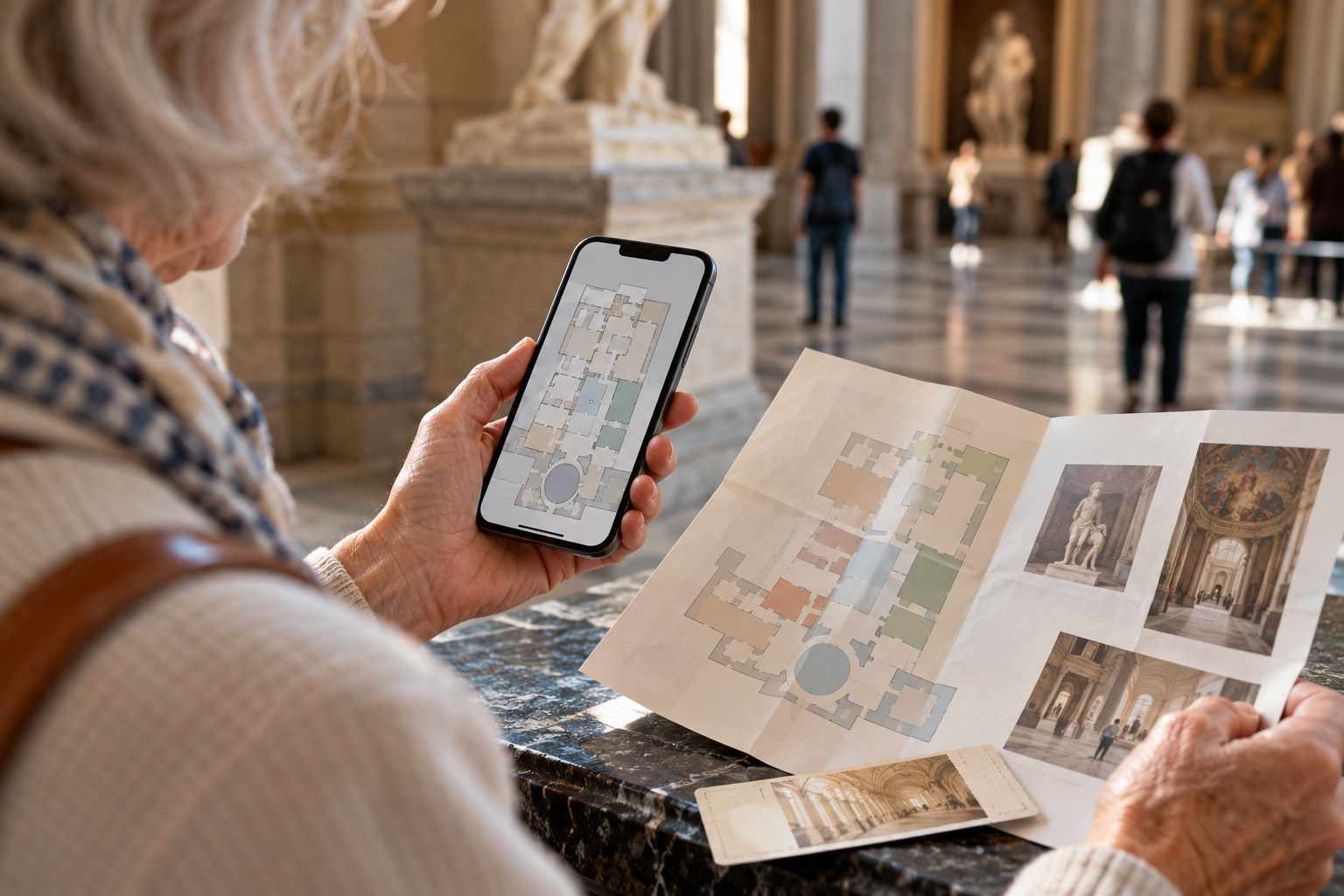
Before buying a ticket, look at the arrival sequence: street or parking, entrance, security, ticket desk, restroom, and the first gallery. Ask how much of the line is outdoors, whether seating is available while waiting, and whether you can enter through a quieter or accessible entrance. If you are carrying medication, food, mobility equipment, or sensory tools, check bag policies rather than discover them at security. For groups, choose a place to regroup after entry in case one person needs extra time.
Plan around three anchors only: the must-see, the reset, and the exit. A second exhibit is optional. Use the map to choose the closest restroom and seating near the main exhibit. If the museum has multiple floors, take the elevator route into account rather than assuming all galleries connect directly. When you arrive, ask staff about closures and crowd patterns that day; a room that looked quiet online may have a school visit or installation work underway.
Decide how long you want to stay before you go. A timed window prevents a pleasant visit from becoming an endurance test. Keep a note on your phone with the ride home, parking location, and the exact entrance you used. If you need to leave early, you should not have to walk back through the whole museum to find your route. The day feels more relaxing when a shorter version still counts as success.
What to ask the museum before your visit
- Which entrance has the shortest step-free route from drop-off or parking?
- Where are the closest seats, accessible restrooms, and elevators to my planned exhibit?
- Are there quiet spaces, sensory resources, or lower-traffic times?
- Can I bring the bag, food, mobility device, or comfort item I rely on?
- Are there timed-entry rules, re-entry limits, or special events on my date?
- Is seating available in the gallery or only in nearby common areas?
- What is the simplest route back to the entrance if I need to leave early?
If answers are vague, ask for the access coordinator or visitor-services team. You are looking for usable details: a place, route, time, or process. Save the response and check it again close to the visit because exhibitions, hours, and event operations can change. For a group, share only the notes everyone needs, such as the meeting point and the plan if someone wants to rest.
A sample half-day schedule
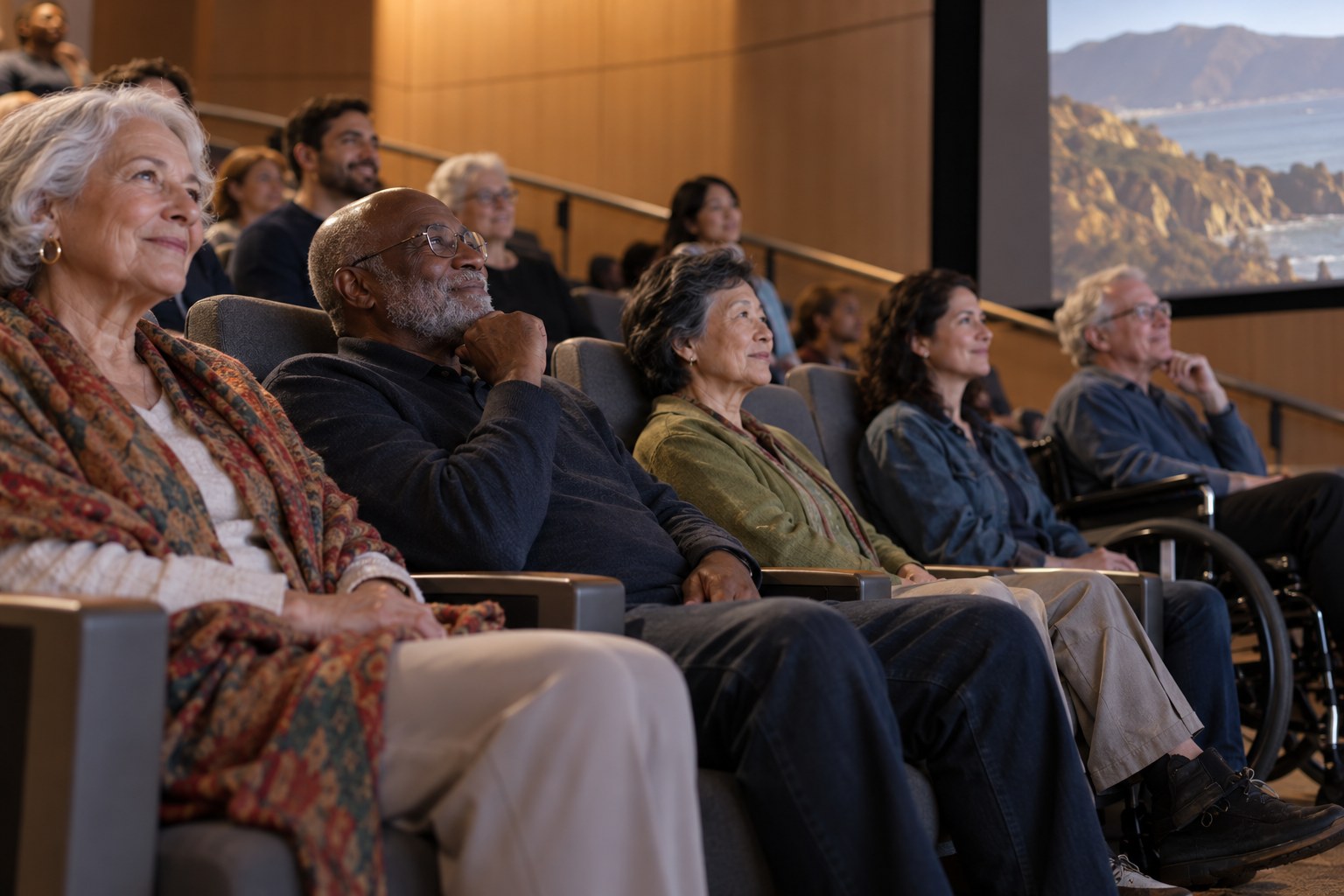
Arrive 15 to 20 minutes before the timed entry, using the entrance you already checked. Take a few minutes to use the restroom, locate seating, and choose the first gallery. Spend about an hour with the main exhibit, pausing before you feel tired rather than after. Take a 30-minute sit-down break away from the busiest café period. If you still feel good, add one nearby room; if not, leave through the planned route and have lunch somewhere quieter. Keep the rest of the afternoon open for a hotel rest or a short neighborhood activity.
This schedule is a starting point, not a rule. A visitor who enjoys long museum days may extend it, while someone recovering from travel may prefer a single 45-minute visit. The useful idea is to place the break before the final stretch and to make the optional section genuinely optional. If you are traveling with children or a group, tell everyone ahead of time that the plan can shrink without anyone having failed.
Choose rest spots that make the route easier
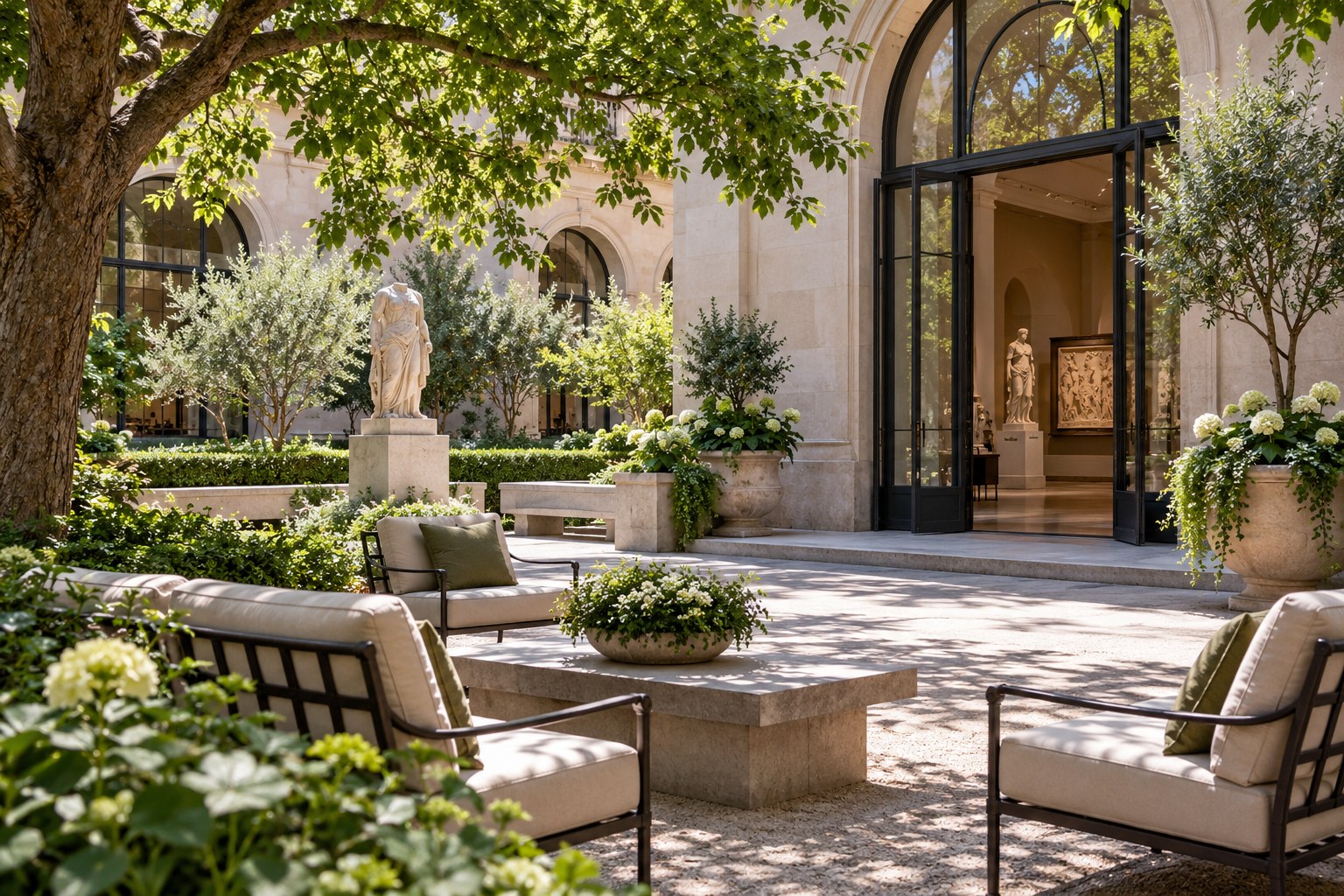
Not all seating works equally well. A bench in a busy doorway may solve a leg-rest break but make it difficult to hear a companion or remain out of the way. Look for chairs near, but not inside, the busiest gallery entrance, café line, or school-group gathering point. If the museum has a map, mark two possible rest spots: one near your main exhibit and one near the route back outside. Ask whether chairs can be moved, whether seating is available inside galleries, and whether a quiet area is open to all visitors or requires a request.
When you arrive, do a short scouting loop before starting the exhibit. Find the restroom, a water fountain or café, the closest elevator, and the exit you plan to use. This takes a few minutes but prevents a long search when someone needs a break. If you are visiting with a child, agree on a clear signal for needing quiet time and let them choose between sitting, stepping outside, or ending the visit. Avoid turning every pause into a negotiation about whether the group has “seen enough.”
If a staff member suggests a route, ask how long it usually takes and whether it avoids stairs, crowded halls, or a long security queue. A suggested route is useful only if it fits your pace. Keep the map and ticket information easy to reach so the final departure does not require another trip across the building. A well-chosen seat, a nearby restroom, and an uncomplicated exit can transform a brief museum visit into a day that still leaves energy for the rest of the trip.
Sources
https://www.si.edu/visit/accessibility
https://www.aam-us.org/programs/diversity-equity-accessibility-and-inclusion/