
12 Low-Walking City Breaks With Transit Notes
A city can be compact on a map and still demand miles of walking: a long station transfer, a museum campus with no nearby rest, or a hotel that looks close to dinner until you meet a steep hill. A low-walking break is planned around the whole movement chain—where you sleep, how you reach one anchor activity, where you can sit, and how you get back when energy drops.
The cities below offer different ways to build a shorter-footprint trip, from transit-rich downtown stays to waterfront days where a single attraction can anchor the itinerary. Treat the notes as planning prompts, not guarantees about a particular route or venue. Transit schedules, elevator service, fares, construction, and access features change, so check the official local trip planner and contact each attraction before you commit.
12 city breaks to plan around short routes

1. Washington, D.C.: one museum cluster, one rest block
Choose a hotel near the station you expect to use, then build a day around one or two nearby museums rather than trying to “do the Mall.” The broad distances between attractions are easy to underestimate, and a Metro trip can still involve a long station corridor or an elevator transfer. Check the exact entrance and exit before choosing a station. Ask museums about seating, mobility devices, quiet spaces, timed entry, and accessible shuttles where available. A simple plan is one morning visit, a hotel or café rest, and one short late-afternoon stop. Keep a rideshare or taxi as a backup for the leg that would otherwise become the longest walk.
2. Chicago: use the riverfront or museum area as your anchor
Chicago rewards neighborhood-based planning. Pick either a central riverfront base or a hotel near the attractions you most want, and avoid stitching together distant areas on foot. The “L” and buses can shorten journeys, but platform access, station elevators, weather, and sidewalk conditions should be checked for each trip. If you plan a museum campus day, confirm whether a shuttle or accessible drop-off runs on your date and how much distance remains between the stop and entrance. A river cruise or architecture activity may offer a seated way to see the city, but verify boarding arrangements and restroom access directly. Save one indoor option near your hotel for wind, heat, or fatigue.
3. Boston: choose a compact base and check station transfers
Boston’s historic streets, brick sidewalks, slopes, and older transit stations make “nearby” a poor substitute for a route check. Look at the walk from lodging to a station, the station’s elevator status, and the exit closest to your destination. Select one neighborhood as the day’s center—such as the waterfront, a museum area, or a restaurant district—and use transit or a taxi to bridge the gap between centers. A guided harbor outing can offer a seated break, but ask about boarding surfaces and accessible facilities before booking. Leave the Freedom Trail as a short selected segment rather than an all-day route if your goal is to limit steps.
4. New York City: stay beside the transit line you will actually use
New York is less about finding one perfectly central hotel and more about matching a base to the day’s main area. Subway accessibility varies by station, so confirm elevator access at both ends of each trip and check for planned work. A bus, taxi, or accessible vehicle may make a better connection than a transfer through a large station. Plan one anchor reservation and one nearby meal; do not stack attractions across boroughs because they look close on a map. Large venues may have their own access entrances, seating, and quiet areas, so check those details and the distance from the curb. Keep a hotel rest period in the schedule, not just as an emergency.
5. San Francisco: plan around hills, not straight-line distance
Steep blocks can turn a short distance into a tiring route. Choose lodging close to a flat, useful transit connection, and use a map with terrain or street-view checks before assuming a walk is manageable. Cable cars are a memorable ride but are not a substitute for an accessible route; verify boarding and step-free alternatives. For a waterfront day, focus on one pier or attraction cluster and use transit, taxi, or a pre-arranged ride for the return. Ask hotels about curb access and the nearest level entrance. Keep hills out of the “optional stroll” category unless you have checked the actual grade, crossings, and places to rest.
6. Philadelphia: pair one historic site with nearby indoor time
Center City can support a short-route visit if you choose a small area and use transit for the connection to it. Historic neighborhoods include uneven paving and narrow sidewalks, so check venue entrances and the route between them rather than rely on a general “walkable” label. Pick one historic attraction, then add a nearby café, indoor exhibit, or seated tour. If an attraction has multiple buildings, ask whether the accessible entrance is at the same address as the main entrance and whether a shuttle is available. For a low-walking weekend, make one neighborhood the anchor each day and leave the cross-city trip for a taxi or transit ride.
7. Portland, Oregon: use a transit line to connect two close anchors
Portland’s transit network can help reduce walking between districts, but the useful question is not whether a line exists; it is how far you must travel to reach the stop, wait, transfer, and walk from the destination stop. Choose a hotel near the service that serves your primary plan. A day might pair one garden, market, or museum with lunch nearby, then return for a rest before dinner. Check service alerts and stop conditions on the day, and verify whether a venue’s entrance sits on a slope or has a closer drop-off. In wet weather, choose indoor anchors and confirm that the covered connection is genuinely available.
8. Seattle: build a waterfront day around a single transfer
Waterfront scenery, markets, and museums can make a satisfying day, but hills and construction can reshape the route. Use light rail, bus, or another transit service to reach the neighborhood, then limit the day to one main attraction and a nearby place to eat. Check whether the walk between stops includes a steep grade, stairs, or a long detour. If you are considering a ferry, verify terminal access, boarding details, and the return schedule before you leave your hotel. The plan should include a quiet indoor break and a clear way back without depending on a long uphill walk at the end of the day.
9. Minneapolis: choose a weather-proof downtown base
A downtown stay can make indoor connections and transit useful in cold or wet weather, but check which sections are open and the actual route to the sites you want. A skyway or enclosed path is not automatically open all day, step-free, or directly connected to every hotel. Pair one indoor attraction with a nearby meal and a rest back at the hotel. If you plan to use buses or light rail, confirm the stop and elevator status and keep a second option for severe weather. Avoid an itinerary that depends on crossing a large outdoor campus between visits if the conditions or walking distance are uncertain.
10. New Orleans: pick one neighborhood and protect the midday break
The French Quarter’s atmosphere can draw visitors into a long wandering day, but uneven paving, crowds, heat, and limited shade make a loose route demanding. Choose a hotel with a nearby drop-off and a quiet room, then plan one short loop with places to sit. Streetcars can reduce some distances, but verify boarding conditions, stop locations, and current service. A seated meal or music performance can be the main event rather than a reward after walking. Plan the return before the hottest or busiest part of the day and keep a taxi option for the final stretch. Ask the hotel which entrance is level and where a vehicle can safely stop.
11. Denver: combine a central stay with one destination ride
For a lower-walking visit, avoid driving between every downtown stop and instead choose a central base, then use transit or a taxi for the single attraction farther away. Distances around a convention center or park can be longer than they look, and high altitude can affect how a day feels even when the route is level. Add a seated activity, plan water and rest, and keep the schedule lighter than you would at sea level. Check station access, sidewalk work, and the last ride back to your hotel. If a scenic outing requires a tour bus, ask about step height, boarding assistance, and the time spent standing at stops.
12. Baltimore: focus on the Inner Harbor or one museum corridor
Pick a harbor-facing hotel or a base near the museum you most want to see, then keep the itinerary within that cluster. A waterfront promenade may appear flat, but construction, crowds, curb cuts, and distances between entrances still matter. Ask each venue about accessible drop-off, seating, restrooms, and quiet areas. A boat outing can provide a seated view if the vessel’s boarding arrangement works for you; call before buying a ticket. If you plan to use light rail, bus, or subway, check the exact station and exit rather than assuming the closest pin on a map is the easiest route.
A route-first way to plan any city
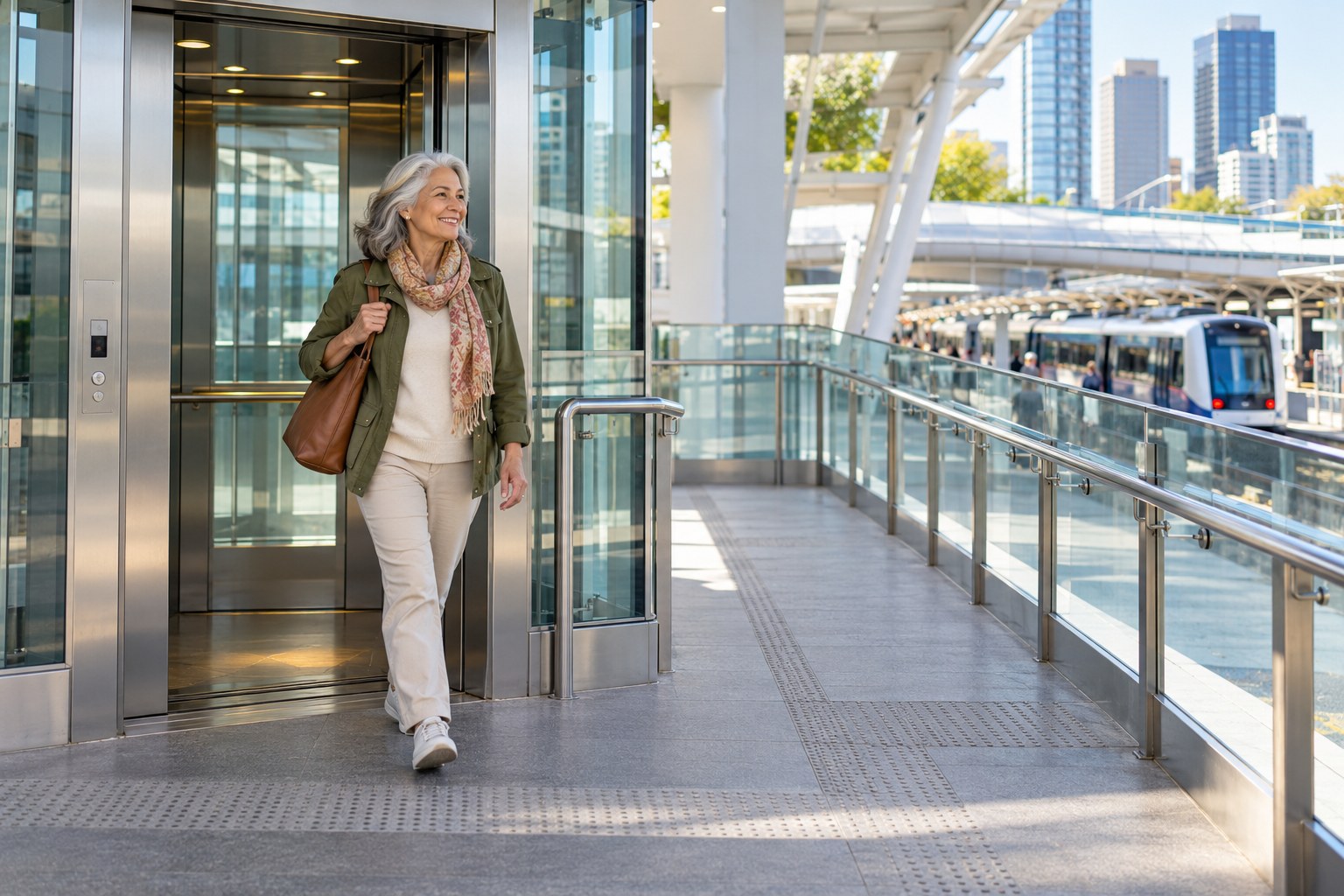
Before reserving a hotel, choose one anchor activity and map the entire trip from the door of your room to the entrance of that activity. Include the first and last block, station entrances, platform transfers, ticketing, security, and any queue. Then reverse the plan: how do you get back if you are tired, a lift is out, or weather changes? A route that works only when every connection goes perfectly is too fragile for a relaxing break.
Use transit maps as a starting point, then check the operator’s live service alerts and accessibility details. A line marked accessible can still have a temporary elevator outage. Ask a venue about drop-off points, seating, companion tickets if relevant, restroom locations, and whether the quietest entrance differs from the main one. Save the exact address and phone number for the hotel and attraction; a rideshare pickup pin may be different from the public entrance.
Finally, limit the day to one “must-do” and one nearby optional stop. Schedule a real rest block at the hotel or a quiet indoor location. Carry a small plan B: a nearby café, a taxi fund, a charged phone, and a place to sit. That structure keeps the trip flexible without making every moment feel uncertain.
How to choose the best city for your trip

Start with your preferred way to move. If you use public transportation, prioritize direct routes and a hotel close to a stop with a useful entrance. If you prefer vehicles, compare curbside access, traffic, parking, and the availability of pre-booked rides. If resting between activities matters most, choose a hotel close enough to return without crossing a large district. None of those choices is universally best; the right one is the one that reduces the effort you personally find most tiring.
Next, think about the setting. A waterfront can be soothing but exposed to sun and wind. A downtown hotel may have more transit and food options but more noise. A museum district can reduce transfers but still involve large buildings and long interior routes. Read recent venue information, call about the details that matter, and build the day around accessible toilets, seating, shade, and rest—not only the attraction list.
One useful test is whether you can name a comfortable version of the day and a shorter version. If the plan has no rest point, no easy return, or no option if one station is closed, keep refining it. A successful city break can mean enjoying one neighborhood deeply, taking a scenic ride, and having enough energy left for dinner. It does not require covering every landmark.
Sources
https://www.transit.dot.gov/ADA
https://www.wmata.com/service/accessibility/
https://www.transitchicago.com/accessibility/
https://www.mta.info/accessibility