
20 Free and Low-Cost Travel Activities for Any Itinerary
The easiest way to overspend on a trip is to treat every empty hour as a problem that needs a ticket. A free activity can make a day feel more memorable than another paid attraction when it fits the place, the weather, and your energy. The trick is not to collect a list of zero-dollar ideas and hope they work. Choose a few that have a clear start point, sensible backup, and low friction between them.
This guide gives you twenty free and low-cost activities that can fit into city breaks, beach trips, road itineraries, and family vacations. “Free” does not always mean no expense: transit, parking, equipment, timed reservations, or a donation may apply. Check access and current hours directly, especially for public sites with seasonal rules. Use the planning filter below to decide whether an idea is actually a good fit for your day.
A quick filter for choosing budget-friendly activities
Before adding an activity, answer four questions: What will it cost from your hotel door and back? How much time does it realistically take? Does it require a reservation or special equipment? What is the indoor or shorter alternative if conditions change? An activity that looks free but needs a long ride, a rental bike, or an all-day parking fee may not be your best budget choice.
Group possible activities by location and energy, not just by theme. A public market, waterfront walk, and free gallery may all be affordable, but they work best when they are in the same district. Put the most weather-sensitive idea first if the forecast is favorable, then keep a flexible indoor option nearby. For a family, check restroom access, shade, seating, stroller conditions, and the likelihood of waiting before promising the activity as a highlight.
20 free and low-cost travel activities
1. Walk a neighborhood with a tiny theme
Choose a theme—historic doorways, murals, pocket gardens, bakeries, or public art—and make a short loop with three stops. A theme gives a casual walk a purpose without turning it into an exhausting checklist. Download a map and check whether sidewalks are continuous. Pick a café or transit stop as an early exit if the weather or energy changes.
2. Visit a public market before lunch
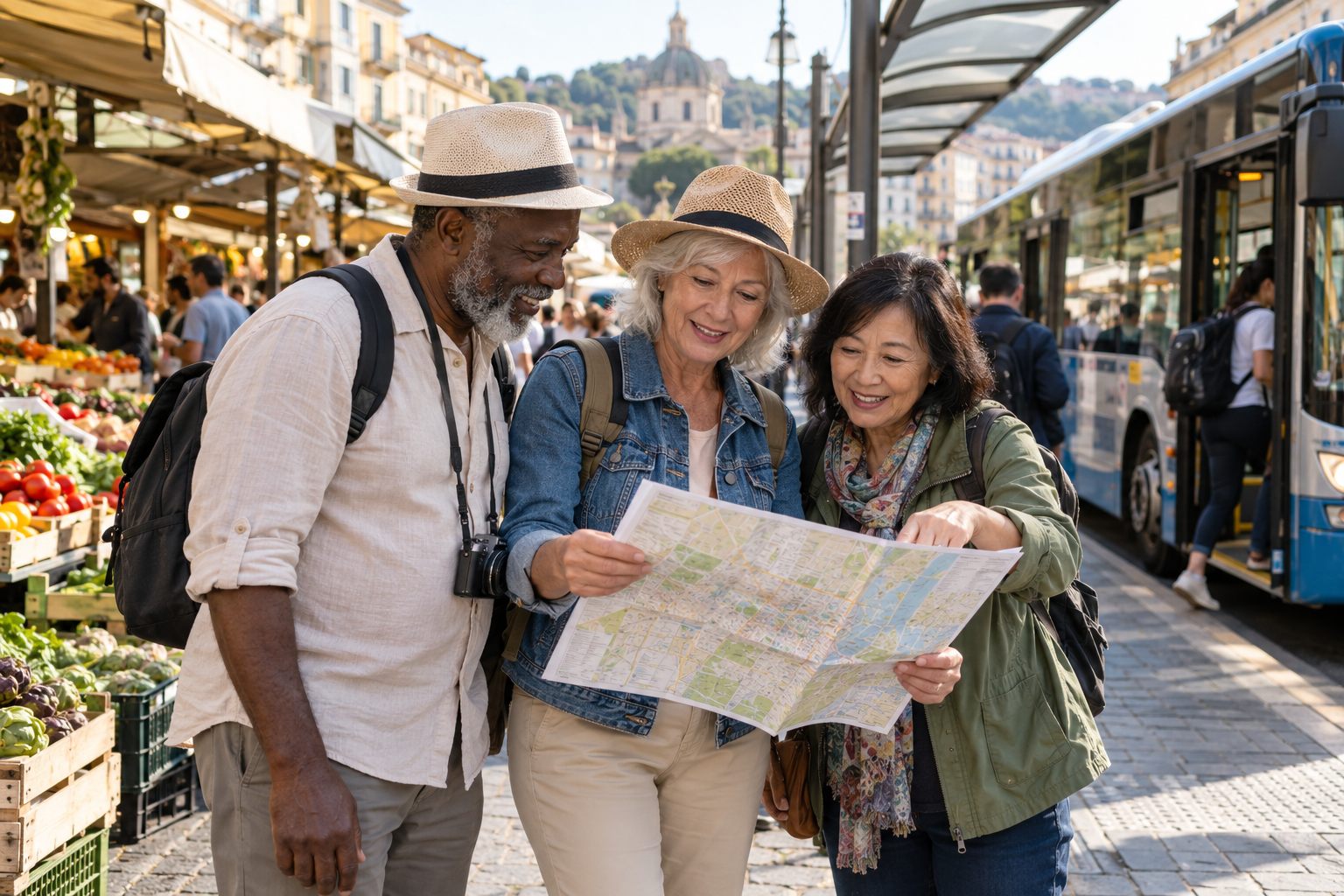
Markets offer atmosphere, local ingredients, and people-watching without requiring everyone to buy a full meal. Go early for easier movement, set a snack budget before you enter, and let each person choose one small thing to share. Verify the market’s operating days; some are busiest or fully open only on weekends.
3. Find a free museum day or gallery block
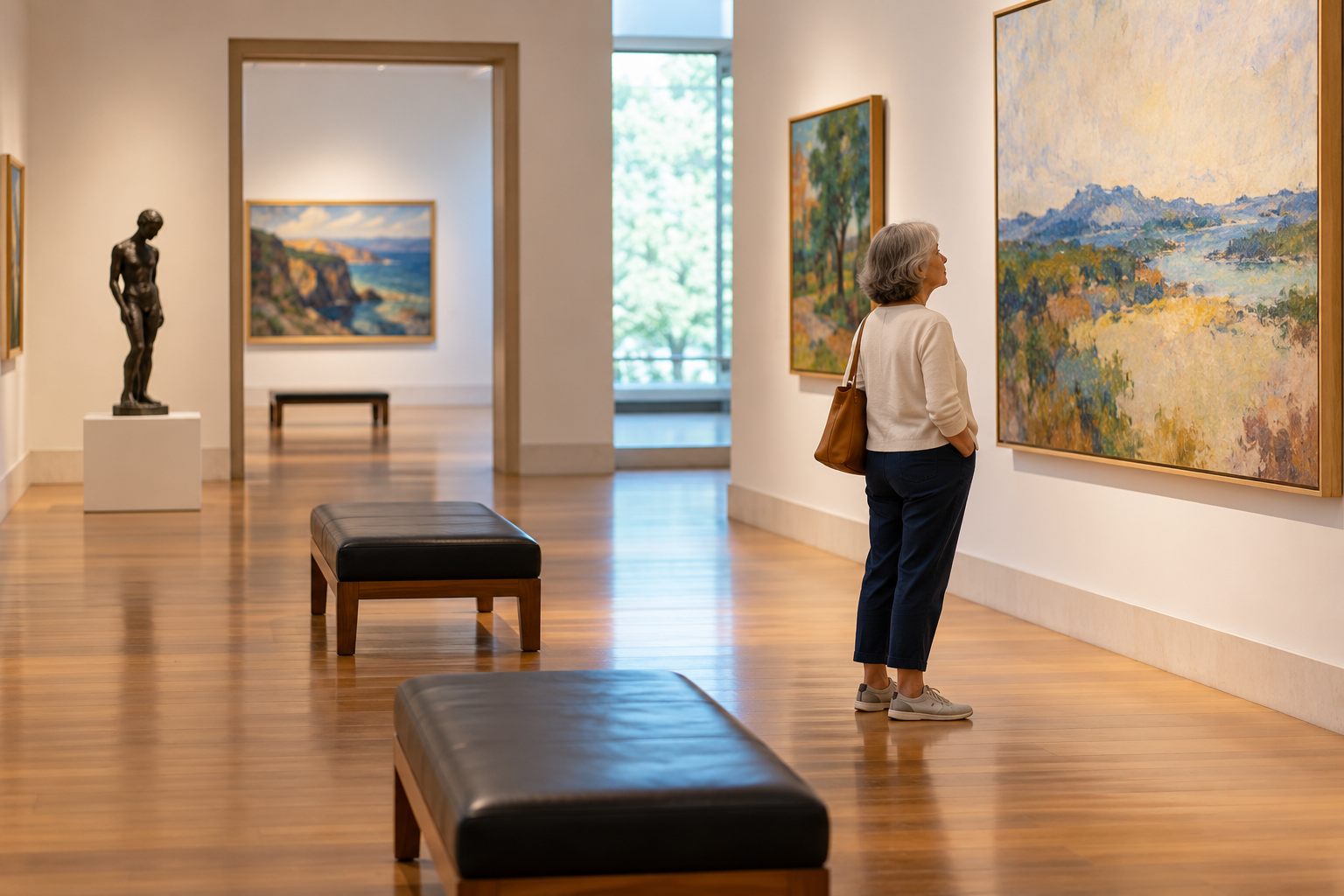
Look for museums with free admission periods, university galleries, or public art spaces. Confirm which rooms are included and whether timed reservations are required. Plan one priority exhibit and a nearby rest stop rather than trying to see everything in the free window.
4. Take a self-guided architecture walk
A historic district or modern skyline can become a low-cost outdoor lesson. Use a local preservation or tourism map, select a compact route, and keep the commentary to a few buildings you genuinely want to notice. Check whether building grounds are open to visitors and avoid trespassing on private property.
5. Watch a sunset from a public viewpoint
A waterfront, hilltop, bridge overlook, or public pier can be a satisfying end to a day. Check closing times, lighting, safe access, and the return route after dark. Bring a layer and choose a backup if wind, clouds, or crowds make the spot uncomfortable.
6. Explore a public garden or arboretum
Some gardens charge admission; others have free areas, community days, or suggested donations. Check which sections are open, whether paths suit your group, and if dogs or picnics are allowed. A short loop with benches can be more enjoyable than a long route through every garden bed.
7. Use a city’s public ferry or water taxi as transport
Where ordinary transit boats exist, a ride can provide a scenic view for the price of a local fare. Compare it with a sightseeing cruise: use the public service only as intended, follow boarding rules, and check whether the route runs on your day. Avoid blocking commuters while taking photos.
8. Visit a library or cultural center
Libraries can offer architecture, exhibitions, reading rooms, public programs, and a quiet place to reset. Check visitor access, bag rules, and event registration. A brief visit works well between outdoor stops, especially when travel companions want different kinds of downtime.
9. Browse a university campus or public art collection
Many campuses have sculpture, gardens, and impressive public spaces. Use the institution’s visitor map and stay within public areas. During exams, holidays, or summer, facilities may be closed, and parking rules can be strict; plan to arrive by transit or on foot where possible.
10. Pick a short public-park picnic
Buy a simple meal from a grocery store or market, then eat at a park with shade, seating, and restrooms. Check local rules about alcohol, grills, and reserved tables. If the park is large, choose a specific entrance and meeting point so your walk does not become a search.

11. Use a self-guided food crawl with a spending cap
Choose two or three small bites instead of a full restaurant meal at each stop. A spending cap makes the crawl feel intentional and keeps one spontaneous purchase from taking over the budget. Check opening hours and whether vendors require cash or have long queues.
12. Look for a public beach or swimming area
A beach can be free while parking, chair rentals, or access facilities cost extra. Verify water conditions, lifeguard hours, local rules, and restroom availability. Bring only what you can carry comfortably, and keep a land-based alternative if the weather is poor.
13. Attend a free community event
Outdoor concerts, street festivals, public lectures, and seasonal celebrations can add a local dimension to a trip. Confirm the event’s official start time, accessibility, bag policy, weather plan, and transit after the crowd disperses. Do not assume “free admission” means free food, rides, or reserved seating.
14. Ride a scenic local bus route
A regular bus route can double as a low-cost orientation ride. Choose a segment that begins and ends somewhere useful, avoid peak periods when possible, and follow local fare and boarding instructions. Treat it as transportation first; do not linger in a way that inconveniences riders.
15. Find a public overlook or accessible trail
A short, well-marked trail or overlook can be a highlight without a guided excursion. Check the official site for closures, trail conditions, grade, facilities, and daylight. Carry water and choose a turnaround time rather than pressing on to an arbitrary endpoint.
16. Visit a historic cemetery or memorial garden
Some sites are meaningful landscapes as well as places of remembrance. Learn the visitor rules, speak quietly, and avoid treating graves or memorials as props. Check whether guided tours or maps are available and whether the grounds close earlier than nearby attractions.
17. Explore a harbor, marina, or working waterfront
A waterfront walk can reveal how a city lives and works. Stay on public paths, respect restricted areas, and check tide or weather notices if the route is exposed. Pair the walk with a nearby market or park to avoid paying for extra transport.
18. Take a free walking tour with a realistic tip budget
Free tours are often tip-supported, so decide on a fair amount before joining and check the tour length, pace, route, and reservation requirements. If the walk is too long or steep for your group, ask about shorter alternatives. A tip-based tour is low-cost, not necessarily no-cost.
19. Use a visitor center for maps and local advice
A visitor center can help you find current public events, neighborhood maps, restroom locations, and transit information. Ask one focused question, such as which nearby attraction is open today or which route avoids a steep hill. Confirm time-sensitive details on the operator’s own site before setting out.
20. Make a photo walk with a simple challenge
Give everyone a small prompt—find three colors, interesting signs, or repeating patterns—and walk a compact route. This works for mixed ages and costs nothing beyond transit to the area. Avoid photographing people closely without consent, and choose a route with safe crossings and places to pause.
Turn the ideas into a day that flows
Choose one anchor activity, one nearby supporting stop, and a flexible meal. If your anchor is outdoors, put it in the part of the day with the best forecast. If it involves a timed entry, protect the travel buffer and do not place a long walk immediately before it. Keep an indoor alternative within the same neighborhood so a weather change does not create a new transport bill.
A useful budget itinerary might pair a morning architecture loop with a market lunch, a free gallery, and a public park before dinner. Another might center on a beach, with a grocery picnic and a sunset walk. A family version could use a short ferry ride, a playground, and a library stop. The point is to make the free activities complement one another, not compete for attention.
Hidden costs to check before you leave
- Parking or transit fare
- timed-entry reservation charges
- equipment or locker rentals
- suggested donations
- food and drink near the venue
- restroom or bag storage
- return transportation after an evening event
Bring a refillable bottle where permitted, check whether the activity has drinking water, and keep a small amount for the expense you cannot avoid. Look at the return trip before you start: the last bus, ferry, or park shuttle may run earlier than the attraction closes. When traveling with a group, agree on who is covering shared snacks and transit so a “free day” does not create awkward small payments.
A quick decision rule
Keep an activity if it scores well on at least two of these: you are genuinely interested, it is close to another planned stop, and it has an easy weather or energy backup. Skip it if the only reason to go is that someone called it free. A good travel day can include one paid experience and several inexpensive ones; balance is more useful than a contest to spend nothing.
For current visitor access, opening times, and public-space rules, check the official destination or venue pages before setting out. The best list is a shortlist you can actually enjoy, with enough space to wander, sit, and change your mind.
Three ways to adapt the list for different trips
For a first visit
On a first visit, choose an activity that helps you understand the city: an architecture loop, visitor-center stop, public market, or short transit ride. Pair it with one specific paid attraction if that is what brought you there. Avoid spending the whole day collecting generic “free things”; the purpose is to get oriented and leave room to notice what you want to return to.
For a return visit
On a return visit, use one neighborhood as your destination. Walk a different street, visit a library or community gallery, and eat where residents actually stop for lunch. A return trip is a chance to slow down and notice a place beyond its headline attractions. Check local event calendars, because a public performance or seasonal market can offer a stronger sense of place than another cross-town excursion.
For a group with mixed energy
Agree on a shared anchor and a clear option to split up or rest. A public garden with benches, a market with seating, or a waterfront path near transit can let people choose their own pace while staying close. Set a meeting point and time, and share the return route. The activity works when nobody has to pretend they can keep walking just to avoid disappointing the group.
Keep a small “free day” kit
Carry a phone battery, refillable water bottle, light layer, compact snack, transit payment, and an offline map if those items suit your trip. Add sunscreen or rain protection based on the forecast. A few prepared basics prevent common small purchases and make it easier to stay outside comfortably. Do not pack equipment for activities you have not chosen; an overstuffed bag can turn a relaxed low-cost day into a chore.