
14 Dietary Questions to Ask Before a Food Tour
A food tour can be a wonderful way to taste a neighborhood, but a vague dietary promise is not enough when your needs are important. Menus change, vendors share kitchens, and a guide may not know how every dish is prepared. A few specific questions before booking can save you from paying for a tour that cannot safely or comfortably include you.
This is a practical checklist for allergies, religious or ethical choices, intolerances, and other dietary needs. It is not medical advice and cannot guarantee a food will be safe. If you have a severe allergy or a medically necessary restriction, use the plan provided by your clinician and make the final decision based on direct, current information from the operator and each food vendor. If the answers are uncertain, a self-guided route or a different activity may be the better choice.
Ask the operator these 14 questions
1. Can you accommodate my specific restriction?
State the need plainly, without assuming a broad label communicates the details. “I avoid dairy” may mean different things to different people; explain whether you need dairy-free ingredients, prevention of cross-contact, or both. Ask the operator to confirm with the vendors rather than answering from memory. If the answer is “probably,” ask what cannot be confirmed. A clear limitation is more useful than a reassuring guess.
2. Which stops and dishes are included?
Request the current stop list and a representative sample of the foods served. Tour routes can change seasonally or when a business closes. You need enough detail to see whether the experience has realistic alternatives, not just a general promise of “vegetarian options.” Ask whether the operator can share ingredient information in advance and whether substitutions are offered at each stop.
3. Who will verify ingredients with each vendor?
Find out whether the guide speaks with the kitchen before the tour or simply points out menu labels. Ask how recent the information is and whether it is reconfirmed on your date. A vendor’s answer can depend on the specific dish, cooking station, or shift. If you need a high level of confidence, ask to contact the business directly before paying.
4. Is there a risk of cross-contact?
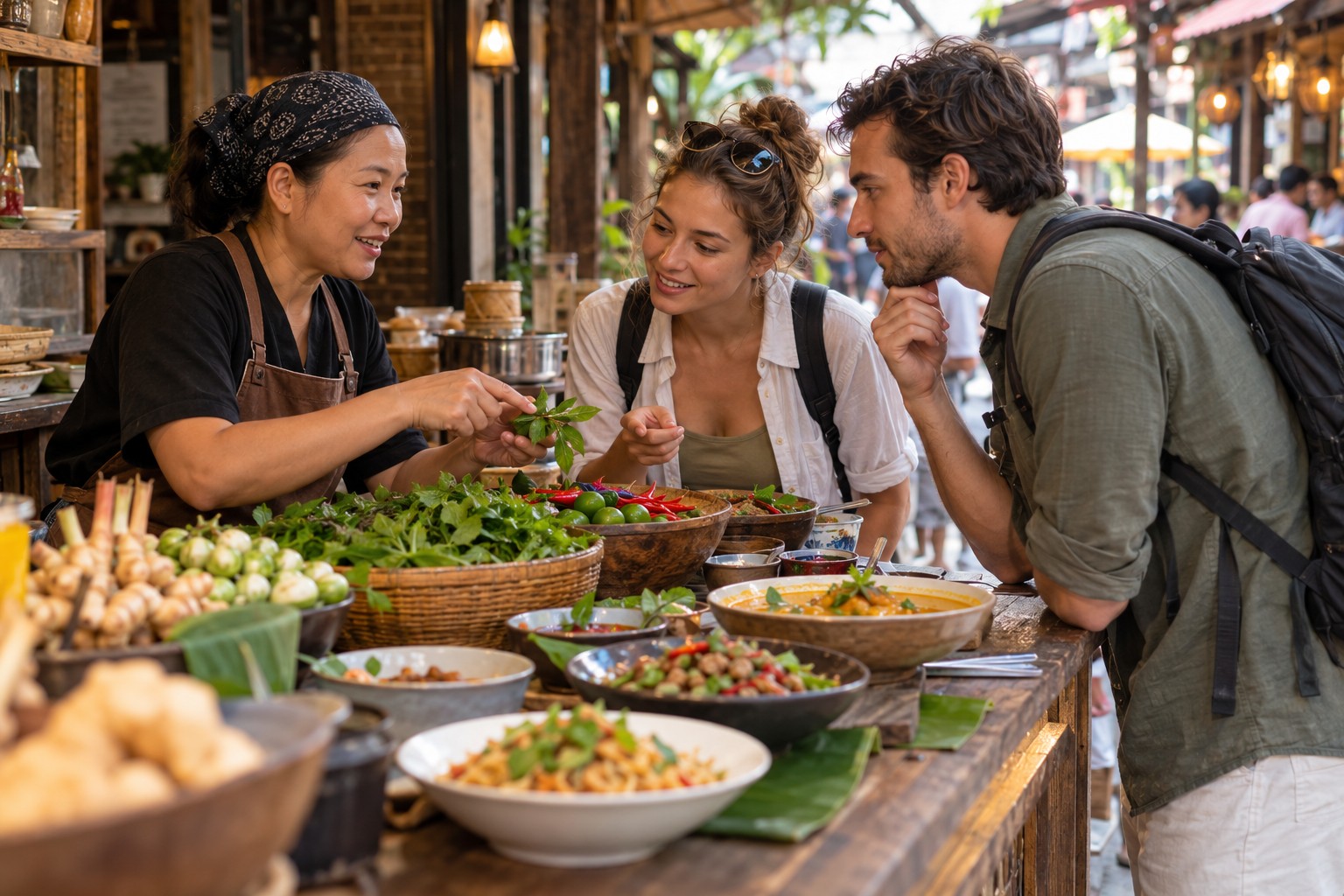
For allergies or strict restrictions, ask about shared fryers, grills, utensils, cutting boards, gloves, and storage. A menu item may omit an ingredient yet still be prepared alongside it. The operator may not be able to control a vendor’s kitchen, so ask what is known and what is not. Decide in advance what level of uncertainty you can accept.
5. Can the vendor make a separate meal?
Ask whether the vendor can prepare a suitable item with separate equipment and whether that request is realistic during a busy service. “We can leave off the cheese” may not solve a cross-contact concern. Ask what the alternative actually is, how it will be handled, and whether it changes the tasting count. Do not assume that a substitution exists simply because the tour accepts dietary notes.
6. Will I receive the same number of tastings?
Some tours substitute a different dish; others provide fewer items or a separate meal at an extra cost. Ask what you will receive and whether the price changes. This is a comfort and value question as well as a safety question. A tour may still be worthwhile with fewer tastings, but you should know before booking rather than discovering the difference at the first stop.
7. Can you accommodate religious or ethical food rules?
Explain which ingredients, preparation methods, or certifications matter to you. Ask whether vendors can verify sourcing and handling, and be specific about alcohol, meat, gelatin, cooking wine, or shared utensils where relevant. The term “vegetarian,” “halal,” or “kosher-style” can be used loosely in marketing; ask what it means for the actual dish. If certification is essential, request the documentation or choose a vendor that can provide it.
8. What happens if a planned stop cannot serve me?
Ask whether the guide has an alternate vendor or whether you will wait while the group eats. Find out if the itinerary changes, if you can skip a stop, and whether a refund or credit is available if a key part of the tour is not delivered. Policies differ, so read the booking terms. A fallback plan is especially important when the tour is several hours long and food is the main activity.
9. Can I bring a safe snack or meal?
Some venues prohibit outside food, while others may allow a sealed personal snack. Ask the operator before arrival and explain why you need it. If you carry emergency food or medication, keep it accessible and follow your clinician’s instructions. Do not rely on being able to leave the route and find a store mid-tour unless the operator confirms that the schedule allows it.
10. How much food is included?
A tour with many “tastings” may be a full lunch, a few bites, or something in between. Ask for the expected quantity and whether the tour replaces a meal. This matters if your safe options are limited: you may want to eat beforehand or bring a separate meal for afterward. Ask about beverages, alcohol, and whether water is available at each stop.
11. Can you share a written confirmation?
After discussing accommodations, ask the operator to summarize what has been confirmed, which vendors were contacted, and what remains uncertain. A written record helps prevent misunderstandings between a booking team and the guide. Bring the confirmation on the tour, but still recheck with the guide and vendor on the day. Recipes and staff can change, and a prior answer is not a guarantee of the current preparation.
12. How accessible is the route for breaks and restrooms?
Dietary needs may coincide with mobility, fatigue, or medication timing. Ask how long the tour lasts, how far it walks, whether seating is available, and where restrooms are. Confirm whether the route includes stairs, crowded aisles, or long standing periods. If you need flexibility, a private tour or self-guided route may offer more control, but verify the details rather than relying on the format name.
13. What is the cancellation or change policy?
If the operator cannot confirm an essential accommodation, you may need to change plans. Check the deadline, fees, and options for rescheduling before you book. Ask whether the operator will notify you if a vendor changes or a promised dish becomes unavailable. Avoid treating a nonrefundable ticket as a reason to accept a risk you are not comfortable with.
14. Who should I contact on the day?
Save a direct phone number or message channel for the guide or operator. Ask when to arrive and what to do if you need to reconfirm an ingredient or leave the tour. If you have emergency medication, keep it with you rather than in a bag that may be separated from you. Make sure a companion knows your plan if you are traveling together.
How to interpret the answers
Clear answer: the operator identifies the vendor, explains the preparation, and tells you what they cannot guarantee. Needs follow-up: a general assurance without ingredients, kitchen process, or a named contact. Red flag: pressure to trust a label, dismissing the restriction, or promising safety without checking with the kitchen. You do not need to argue. Thank them, save the response, and choose an option that gives you enough confidence.
Send a concise request before booking
Try: “I’m considering your food tour on [date]. I need [specific restriction]. Could you share the planned stops and confirm with each vendor what dishes can be prepared safely, including any shared fryer or equipment concerns? Please let me know what is confirmed, what is uncertain, how many tastings I would receive, and whether I may bring a personal snack. I understand recipes can change, so please also tell me who I should check with on the day.”
This message is brief but asks for useful, verifiable details. For a serious allergy, include the exact allergen and severity only as much as you are comfortable sharing, and speak directly with the food business if the operator cannot provide reliable answers. Keep medical information private and do not send more personal detail than the vendor needs to answer the practical question.
When to choose a different food experience
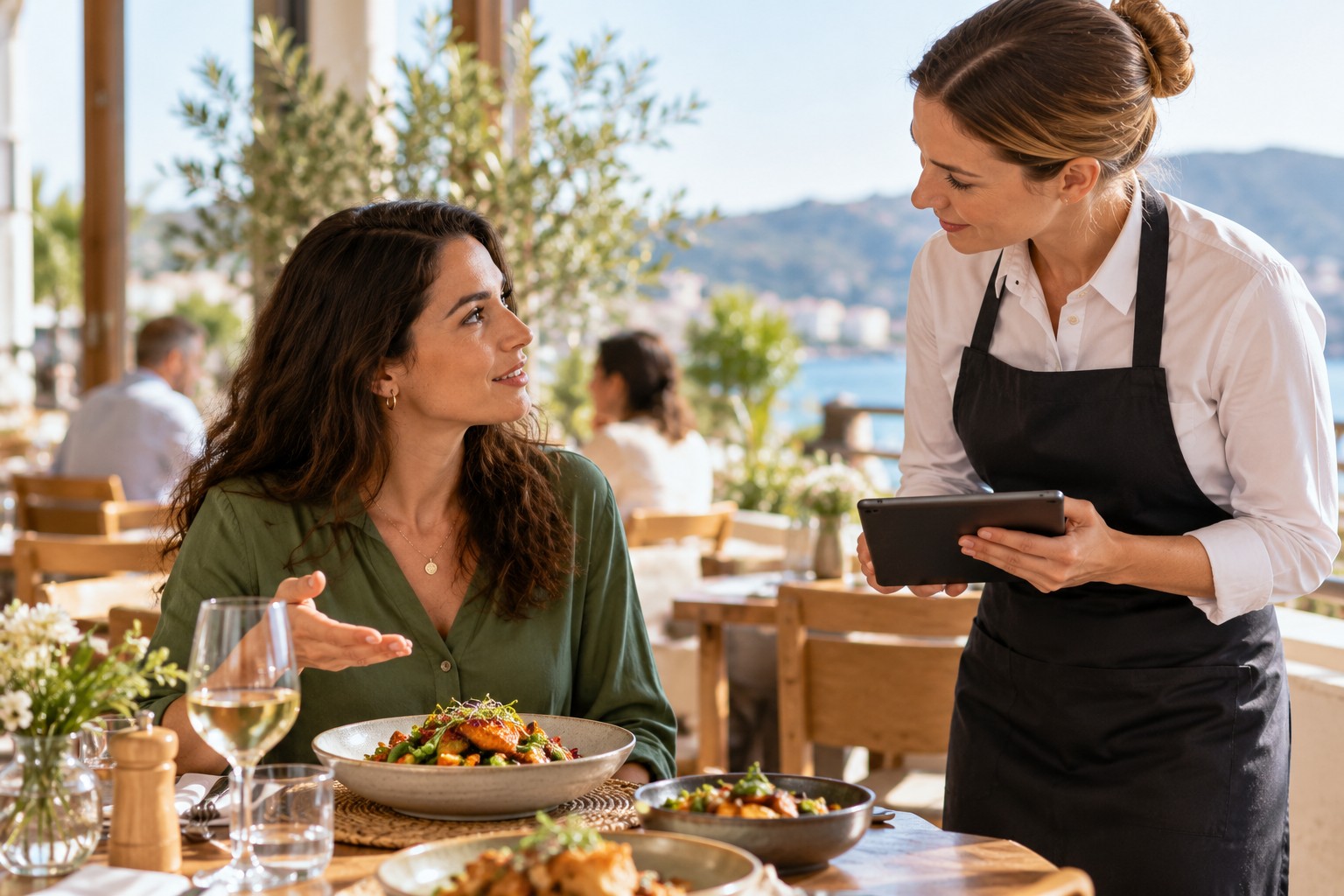
A tour may not be the right option if the route relies on shared equipment you must avoid, the operator cannot confirm ingredients, or the available substitution leaves you with too little food. Consider a private guide who can plan around vetted businesses, a cooking class with a transparent ingredient list, or a self-guided route to places you have contacted directly. You can also enjoy the neighborhood through a market, museum, or café with clearer information. The goal is a comfortable trip, not forcing a particular format to work.
Before paying, get the practical facts in writing and decide what uncertainty you can accept. A thoughtful operator will answer honestly, even when the answer is that a stop cannot accommodate you. That clarity lets you choose a food experience that feels welcoming, enjoyable, and aligned with your needs.
Be precise about the restriction
When you contact a tour operator, distinguish a preference from an allergy or medically necessary restriction. “I avoid dairy” is useful, but it does not tell a kitchen whether butter in a shared pan or traces on a utensil could cause a reaction. State the ingredient, the severity in practical terms, and whether cross-contact must be avoided. You do not need to share private medical details; the operator needs enough information to say whether the vendors can accommodate you safely.
Ask for specific answers rather than a general reassurance. Which stops have confirmed the request? Can the vendor identify ingredients in sauces, broths, oils, and garnishes? Are separate utensils and preparation surfaces used? If the guide cannot confirm those details, ask whether you can skip a tasting, bring a safe snack, or join the neighborhood portion without eating at every stop. A clear limit is more useful than a promise that the tour is “allergy friendly.”
Use the reply to decide whether to book
A reliable response names what can and cannot be confirmed, gives you time to decide, and does not pressure you to accept uncertainty. Be cautious if the operator says every dish can be modified without checking with vendors, treats all restrictions as interchangeable, or suggests removing an allergen from a finished dish. Shared kitchens and small tasting portions can make substitutions difficult. If the operator cannot provide a workable plan, choose a different tour or a self-guided meal where you can speak directly with the restaurant.
Before the tour, save the written response and carry it with you. At each stop, confirm the arrangement with the guide before food is served. Recipes and staffing can change between booking and travel, so a previous message is not a guarantee about the plate in front of you. If something does not match what you were told, pause and ask rather than feeling obliged to eat it. Travelers with severe allergies should follow their clinician’s guidance and their own emergency plan; a tour operator cannot replace medical advice.
Make the experience enjoyable even when you skip a tasting
Food is only one part of a food tour. The guide may explain a neighborhood’s history, introduce a market, or point out how migration shaped local menus. If a tasting is not suitable, ask whether you can use that stop to learn, rest, or take a short walk nearby. Bring a safe snack if appropriate for your needs and permitted by the venue. Choosing a tour for its stories and route can make the experience worthwhile even when you do not sample everything.
For a group with different dietary needs, agree in advance whether everyone will eat at each stop or whether the route includes alternatives. One person should not have to make last-minute decisions while others are ordering. A thoughtful operator will help set expectations before the day and communicate with vendors without making a guest feel singled out. The aim is a comfortable outing where you can enjoy the company and place as much as the food.
Source
https://www.foodallergy.org/resources/dining-out-food-allergies