
9 Food Tours Compared by Group Size and Walking
A food tour can be a relaxed way to understand a neighborhood, or a surprisingly tiring series of tastings and long walks. The difference often comes down to two details travelers overlook: group size and how much ground you cover on foot. A tour that sounds perfect online may feel rushed if you need frequent breaks, prefer a smaller conversation, or are traveling with someone whose pace differs from yours.
Use this comparison to match nine common food-tour formats to the kind of day you want. It focuses on practical tradeoffs, not rankings: ask the operator for the current route, group cap, walking distance, standing time, food quantity, and accessibility details before booking. Tour itineraries and vendors change, and a label such as “small group” does not mean the same number of guests everywhere.
Questions to answer before you book
- What is the maximum group size, and what is the usual size on my date?
- How far do we walk, how long do we stand, and are there stairs or uneven surfaces?
- How many food stops are included, and is it a full meal or a tasting?
- Can the route accommodate mobility needs, dietary restrictions, or children?
- What happens if a vendor is closed or the weather changes?
- Where does the tour start and finish, and how will I get back to my lodging?
Ask for specifics. “Easy walking” is subjective, and a listed distance may not include time standing in lines. If the operator cannot answer a question that affects your comfort or safety, consider a different format or plan a self-guided visit instead.
9 tour formats, compared
1. Small-group neighborhood walk
Best for: travelers who enjoy conversation and want a guide to connect dishes to local context. A small group can make it easier to hear questions and get recommendations, but it may still include several blocks of walking and time on your feet. Ask for the exact group cap, route length, restroom access, and whether the pace changes for the group. The format is a good fit if you are comfortable sharing tastings and following a set route. It is less suitable if you need frequent unscheduled breaks or want complete control over meal timing.
2. Private walking tour
Best for: families, friends, and travelers who want more control over pace and questions. A private tour may be able to pause or adapt the route, but confirm which changes are possible before booking. Ask whether the price is per person or per group, and what happens if a stop cannot meet a dietary request. The personalized feel can be valuable when a group has mixed interests. Walking distance may still be substantial, so do not assume “private” means low exertion.
3. Market tasting tour
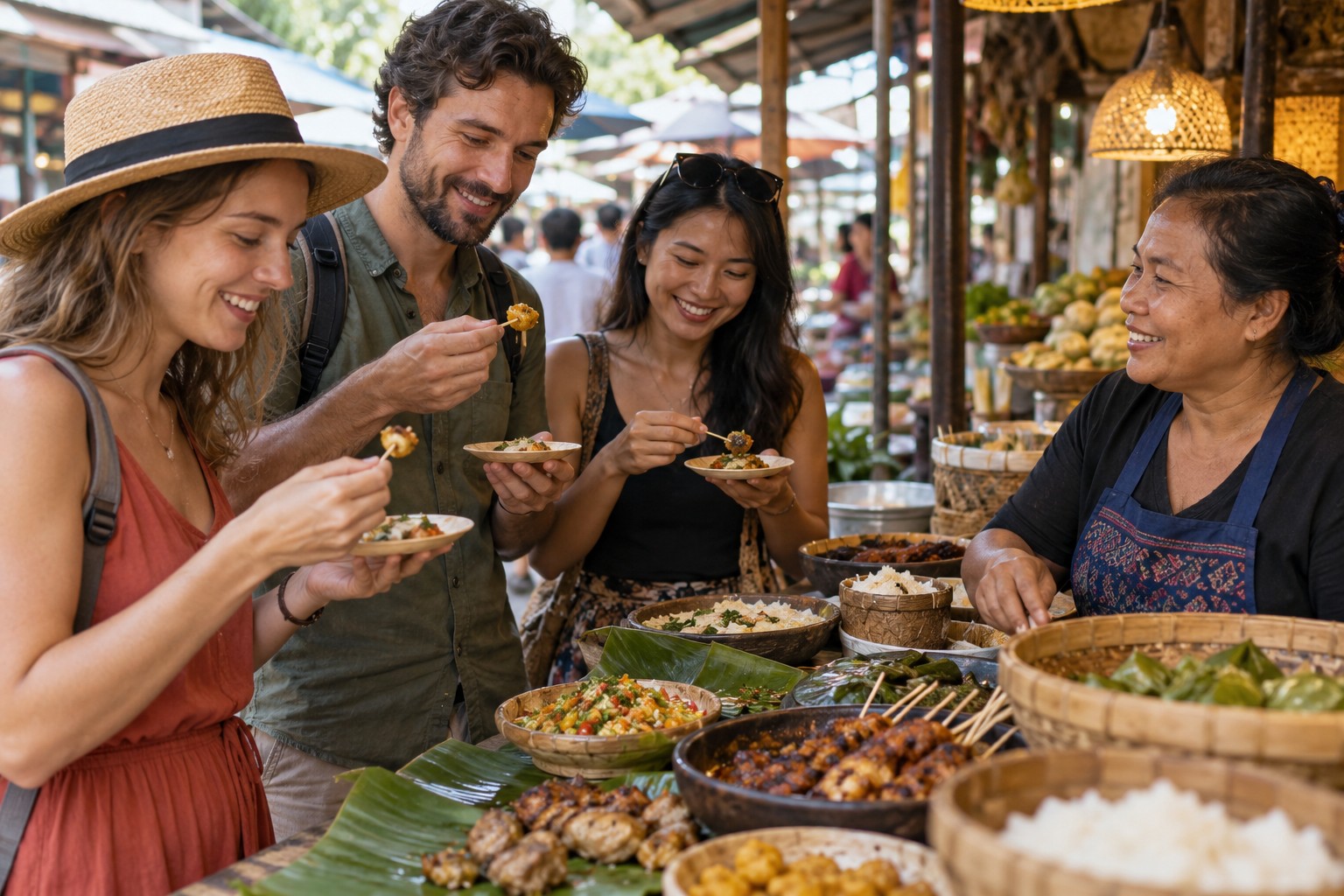
Best for: visitors who want to sample many small bites in one compact area. A market route can reduce travel between stops, though it may involve crowds, narrow aisles, standing, and changing vendor schedules. Ask whether food is included in the fee, how many tastings are planned, and if you can sit during any part of the tour. This is often a lively format, but it is not necessarily a full meal. If you want to shop afterward, carry a separate bag and check how long purchases can safely remain unrefrigerated.
4. Bus or vehicle-based food tour
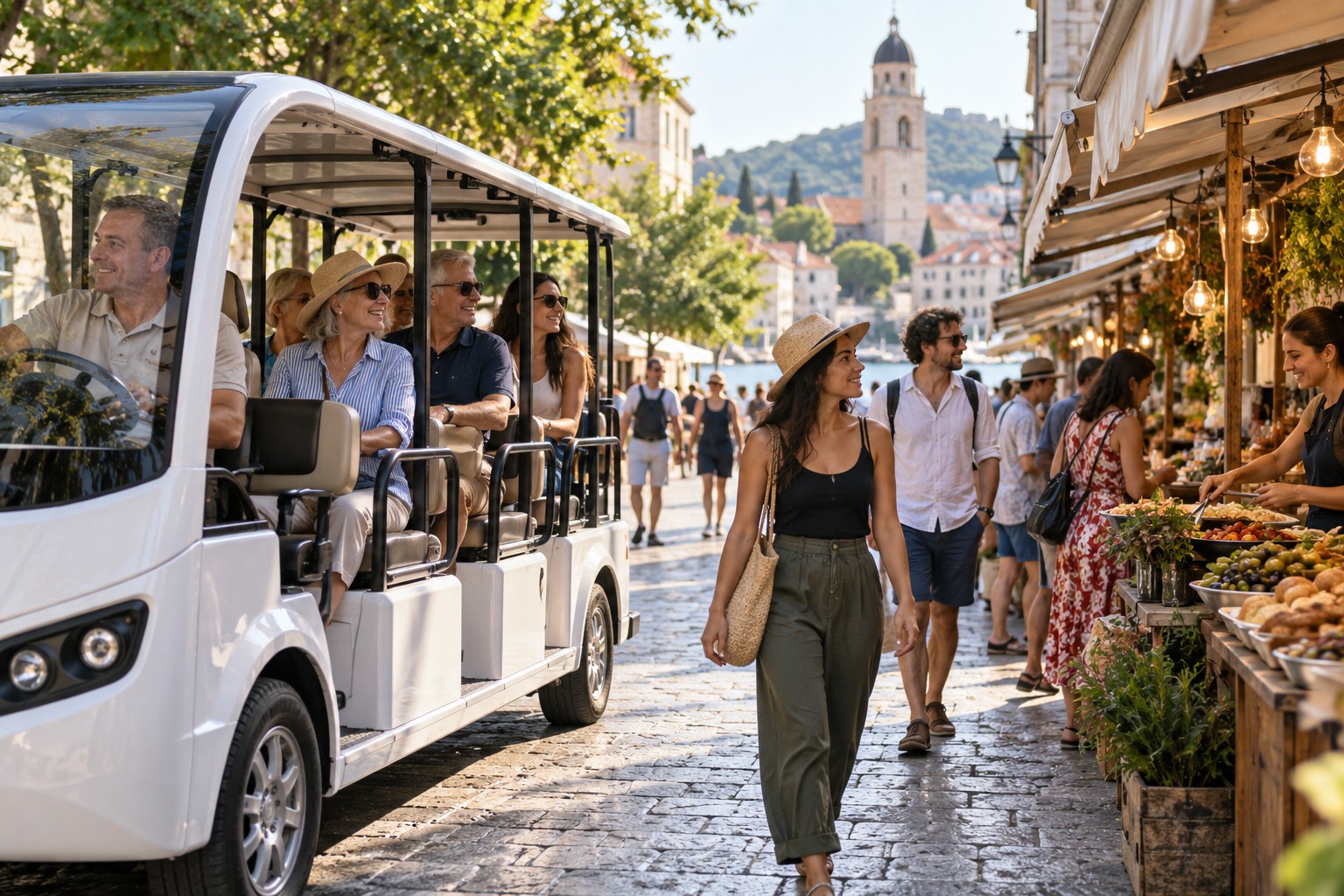
Best for: travelers who want to cover several neighborhoods without walking between them. A vehicle-based tour reduces distance on foot but can add time sitting, traffic, and curbside transfers. Ask how many times you board and exit, whether steps are involved, and whether seats are guaranteed. Check if food is served at each stop or if there is time to sit down. This format can be helpful when weather is poor or destinations are spread out, but it may feel less intimate than a neighborhood walk.
5. Evening food crawl
Best for: travelers who want dinner and a neighborhood introduction in one outing. Evening tours can visit restaurants or bars that are busier later in the day, so ask about wait times, seating, and whether the tour includes alcohol. A late finish may affect transit options, especially in a city where service frequency drops at night. The walk may be comfortable in cooler weather but harder in the dark or in crowded entertainment districts. Check the final stop and the safest practical route back to your lodging.
6. Cooking-class plus market visit
Best for: travelers who prefer learning a technique to collecting restaurant stops. This format may include a short market visit followed by a seated class, which can mean less continuous walking but more standing and hands-on activity. Ask how long you will be on your feet, what equipment is used, and whether the recipe can be adapted to your needs. Confirm whether you eat the prepared meal and whether it replaces lunch or dinner. This is a strong option when you want to bring a skill home, not only a list of places to eat.
7. Accessible or low-walking food tour
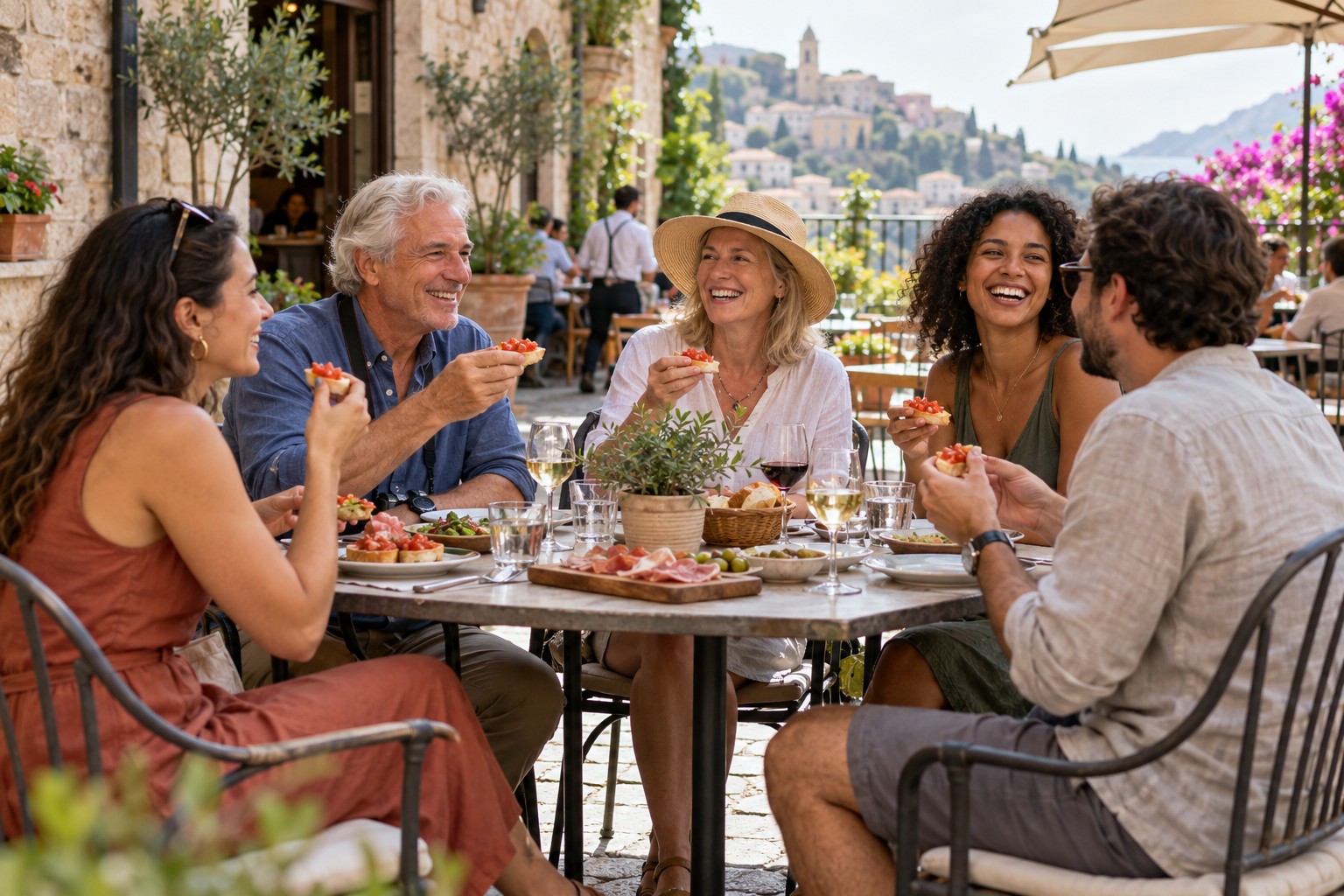
Best for: visitors who want clear information about access and pacing before committing. Contact the operator with concrete needs: step-free route, seating, restroom stops, distance, curb cuts, audio conditions, or time to rest. Ask whether the route has been reviewed with people who use mobility aids, and what alternatives exist if an elevator or venue is unavailable. “Accessible” varies by person and location; request details in writing. A shorter route with fewer stops can be more enjoyable than a standard itinerary with rushed accommodations.
8. Self-guided food walk
Best for: travelers who like flexibility and want to control cost, pace, and portion size. Pick three stops within one neighborhood, check opening days, and save an alternative for each. Start with a snack, not a full meal, if you want to sample multiple places. The tradeoff is that you do your own research and miss a guide’s local stories. Use official business pages for current menus and hours, and avoid relying on a listicle that may be outdated. This format is especially helpful when your group needs to stop or split up.
9. Specialty-focused tour
Best for: travelers with a particular interest such as coffee, chocolate, seafood, baking, or a regional cuisine. A focused theme gives the guide room to explain sourcing and craft, but it can mean repeated flavors or fewer alternatives for dietary needs. Ask how many tastings are included, whether the tour is beginner-friendly, and if there is a non-alcoholic option when relevant. Choose a specialty you genuinely enjoy; a tour is not the best way to force yourself to like an ingredient.
Quick comparison
| Format | Group feel | Walking | Choose it when |
|---|---|---|---|
| Small-group walk | Social, guided | Moderate to high | You want context and conversation |
| Private walk | Your party | Variable | You need more pace control |
| Market tour | Busy, lively | Short bursts, standing | You want many small samples |
| Vehicle tour | Shared group | Less between stops | Stops are spread out |
| Cooking class | Small class | Some standing | You want a skill to take home |
| Self-guided | Flexible | Set your own | You want full control |
Match the tour to your group
For a couple: a specialty tour or private walk gives you time to ask questions and compare tastes. For a family: confirm restroom access, child portions, and whether kids can sit during tastings. For a multigenerational group: look for a route with clear distance information and a flexible finish. For a solo traveler: a small-group walk can be an easy way to meet people, while a self-guided route avoids waiting for a group. For travelers with dietary restrictions: contact the operator and each venue before booking, and ask what substitutions are realistic.
Calculate the real walking effort
Ask about more than miles. A one-mile route with repeated stair climbs, standing tastings, and crowded sidewalks may feel harder than a longer flat walk with places to sit. Ask for the route map, duration, number of stops, and break schedule. Consider weather, footwear, and how much food you will carry. If a tour begins far from transit or ends late, include the extra walk to and from the start point. These details help you compare two tours with similar marketing language but different real-world effort.
When a tour is not the right fit
Skip the tour if the route cannot meet a non-negotiable access or dietary need, if the timing conflicts with medication or rest, or if you prefer to choose every meal yourself. A self-guided walk, one restaurant reservation, or a market visit can be a better experience. If you do book, keep the confirmation and operator contact details handy, and ask about cancellation terms before paying. Do not assume a tour fee includes gratuity, beverages, or enough food for dinner; read the details and ask if the description is vague.
The best food tour is the one that matches how you like to move through a city. Compare group size, walking, standing, portions, and access before you choose. A little practical information up front lets you focus on the reason you booked: good food, a more human view of a place, and a day that feels comfortable from start to finish.
Compare tour formats by the day you want
A walking tour is usually the best fit when you want to understand a compact neighborhood and are comfortable spending several hours on your feet. It can be harder for travelers who need frequent seating, step-free routes, or a slower pace. Ask how far the group walks, how many stops have seating, whether restrooms are available, and what happens during bad weather. A small-group walk can make conversation easier, but the guide’s pace and route matter more than the advertised group maximum.
A vehicle-based tour reduces walking between neighborhoods and may work well when stops are spread out. It can also mean less time at each venue and more time getting in and out of a vehicle. Ask how long each stop lasts, whether the vehicle is accessible for your needs, and whether there is a comfortable place to wait if you skip a tasting. A private tour costs more but may allow a slower schedule or tailored food choices; confirm exactly what can be changed before paying.
What is included in the price?
Compare tours using the total out-of-pocket cost, not the headline price. Check how many tastings are included, whether drinks are extra, whether gratuity is expected, and whether a full meal is realistic. Some tours are generous with samples; others are designed as an introduction and leave room for dinner. If the description says “several stops,” ask for a current outline and approximate tasting portions. A lower-priced tour can be a good value when it covers a neighborhood you could not easily navigate alone; it may be poor value if most of the time is spent in transit.
Pay attention to cancellation terms and minimum attendance. Small operators may cancel if too few guests book, while weather can change an outdoor itinerary. Confirm whether you will receive a refund, a new date, or credit. If your travel dates are fixed, look for a tour with a clear backup plan. Save the meeting point and the guide’s contact details offline, and plan to arrive early enough to find the group without rushing.
Book for comfort as well as flavor
Before booking, ask whether dietary accommodations can be confirmed with individual vendors. A guide cannot guarantee that a tasting is free from an allergen unless the businesses can verify ingredients and preparation practices. Describe the restriction clearly and ask what the operator can confirm in writing. If the response is vague, choose a self-guided route where you can speak directly with each restaurant, or select a tour whose food is secondary to the neighborhood history.
Consider heat, noise, standing time, and bathroom access. A tour that sounds ideal on paper may be tiring if every stop is crowded or there is nowhere to sit. Read recent reviews for concrete details about pace and logistics, not just whether guests liked the food. If you travel with children or an older adult, ask about age expectations, stroller access, and the length of each segment. The right tour makes the day feel easier, not more tightly managed.
Source
https://www.nps.gov/articles/accessibility.htm