
12 Ways to Cut Trip Costs Without Losing the Best Day
The easiest way to ruin a trip budget is to cut the one thing you were excited about, then spend the savings patching the disappointment with smaller purchases. A better plan protects one “anchor day” first—the museum, boat trip, food tour, beach day, or family attraction that makes this trip worth taking—and trims the costs around it. That does not mean keeping every splurge. It means deciding which expense carries the most value before the booking tabs multiply.
These 12 ways focus on the choices travelers can still control: dates, location, transport, food, tickets, and trip length. They are not guarantees of a lower fare or a universal list of cheap hacks. Use your actual quotes, include taxes and mandatory fees, and compare the complete trip rather than one attractive price. If the math still does not work after a few changes, shorten the trip or choose a closer destination instead of quietly borrowing from the emergency buffer.
Start with a “protect, flex, remove” budget
Write down the experience you most want to preserve. Then divide planned spending into three groups:
- Protect: the anchor activity, accessibility needs, a safe arrival plan, or the meal that matters to your group.
- Flex: the hotel neighborhood, trip dates, transport mode, number of restaurant meals, and optional add-ons.
- Remove: duplicates, convenience purchases you can plan around, and activities included only because they are nearby.
Set a maximum total before you shop. A useful comparison sheet has columns for the quoted amount, mandatory fees, transport to the activity, cancellation terms, and what the choice replaces. A “free” activity that requires a long drive and paid parking may cost more than a modest admission near your hotel. Similarly, a room with breakfast may be a better value than a lower nightly rate if it removes several restaurant breakfasts—but only if the room premium is below what you would actually spend.
12 ways to reduce the bill while keeping the trip’s best part
1. Put the anchor activity on the least expensive suitable day
Some attractions use date-based pricing, have free or reduced admission windows, or cost less on a weekday. Check the venue’s own calendar before moving the rest of the trip around a deal. The cheapest day is not useful if it is a day the attraction is closed, the main exhibit is unavailable, or the crowd level makes the experience difficult for your group. Compare the complete date change: room rates, transport, time off work, and whether the change adds a night.
If the ticket price is fixed, protect the experience by arriving at a lower-friction time. A timed entry, early arrival, or pre-booked transit can make the paid day feel more worthwhile without adding an upgrade. Check the entry rules and refund terms directly with the venue; third-party listings can omit restrictions.
2. Move the hotel one transit stop away—not an hour away
A lower room rate can be false savings if it creates daily rideshare costs or a long commute. Map the route from the cheaper hotel to the anchor, including evening service and the walk between the stop and the entrance. Compare the room-price difference against transit fares, parking, luggage handling, and the extra time you will spend in transit. A slightly higher rate may be worth it when it lets you return for a rest between activities.
When choosing a nearby neighborhood, check the exact block and route rather than relying on a citywide label. A hotel near a station may still have an awkward transfer, stairs, or infrequent service at night. Decide how much convenience you are willing to trade for savings before you book.

3. Change the dates before you change the destination
For a trip tied to a particular event or school calendar, dates may be the biggest price lever. Compare a small range of nearby dates and track both lodging and transport. Moving the trip by a day is useful only if the schedule still works and you are not paying for an extra night or losing the activity you came for. For a flexible weekend, compare Thursday–Saturday or Sunday–Tuesday stays with the standard Friday–Sunday pattern.
Do not assume that an off-peak date will automatically be cheaper. A convention, festival, or local holiday can raise prices in an otherwise quiet month. Check the destination calendar and the hotel cancellation window so a cheaper provisional reservation does not become a costly commitment.
4. Shorten the trip by one night and protect the full anchor day
If the main experience fits into one full day, consider arriving the night before and leaving the following morning, or taking an early return the day after. The goal is to remove a low-value hotel night without turning the anchor day into a rushed transit day. Compare door-to-door time, check-in rules, baggage storage, and the first and last service times. A late arrival that leaves you exhausted may not be worth the room savings.
For a family or group that needs a slower pace, the extra night may be the reason the trip is enjoyable. In that case, look for a different adjustment rather than cutting recovery time. The best reduction is one that lowers the total without making the day you protected harder to enjoy.
5. Keep one paid highlight and replace duplicate activities
Travel plans often accumulate similar experiences: two observation decks, three guided tours, or several attractions that cover the same history. Keep the one that best matches your group and remove the duplicates. Ask what each ticket adds: a guide, access to a special collection, reserved timing, or simply another hour indoors. If two experiences offer the same view or story, choose the one with the better schedule and cancellation terms.
Use free alternatives intentionally, not as filler. A neighborhood walk, public garden, waterfront path, or market can add a different texture to the trip. Check opening days, access rules, and weather dependence. A free outdoor plan is a better substitute when your group enjoys being outside and has an indoor backup.
6. Make the first meal easy instead of turning every meal into a savings project
Food planning works best when it removes friction rather than makes the trip feel restrictive. Choose one easy breakfast plan—groceries, a room-included meal, or a nearby café—and keep the lunch plan flexible around the anchor activity. If you are visiting a museum or theme park, check whether outside food is allowed, how much time you have to leave and re-enter, and whether there are water refill points.
Pick the restaurant meal you actually want, then save elsewhere by avoiding impulse snacks or duplicate drinks. A grocery stop can help, but buying ingredients that go unused wastes money. For a short stay, bring shelf-stable snacks you already like and buy only what you will finish. Include service charges, tips, and taxes when comparing restaurant budgets.
7. Compare transport by total journey cost, not ticket price
An inexpensive flight may require checked-bag fees, a distant airport transfer, an overnight connection, and a rental car. A train or bus can cost more up front but bring you closer to the destination. Compare the full route for every traveler: ticket, bags, seat selection if needed, ground transport, parking, meals during a long connection, and the value of travel time. Use the same passenger count and comparable departure times in each option.
If you choose a connection, confirm the change airport, layover length, and whether the itinerary is one protected booking. Separate tickets can leave you responsible for a missed second leg if the first trip is delayed. Saving money is not a win if it makes the anchor day depend on a fragile arrival.
8. Use the room features that replace real expenses
A kitchenette, refrigerator, laundry, or included parking has value only if it replaces a cost you would otherwise pay. Estimate the actual number of meals you will prepare, whether groceries are convenient, and whether parking is needed for the itinerary. A kitchenette is not a saving if you arrive late, have no time to shop, and end up dining out anyway. A lower room rate without parking can also become the expensive choice in a city where you need the car.
Read the current room description and fee details carefully. “Breakfast available” may mean it is for purchase, while “parking available” may mean a paid garage. Compare the total after required fees and taxes, and save a copy of the terms shown at booking.
9. Book only the add-ons that solve a specific problem
Priority boarding, premium seats, attraction bundles, meal plans, and protection products can be useful, but they are not automatically worth the price. Name the problem each add-on solves before adding it to the cart. A seat selection might matter when a child needs to sit beside a caregiver; it may add little value to a short train ride. A fast-entry pass may help on a busy date, but only if it covers the ride or exhibit your group intends to use.
Compare the add-on price with the consequence of skipping it. Check whether the benefit is already included in your fare, hotel rate, membership, or ticket. If the details are unclear, pause checkout and verify the policy from the provider rather than relying on a booking-site badge.
10. Choose a cancellation window that fits your actual uncertainty
Nonrefundable bookings may cost less, but the discount is a trade against flexibility. Ask what could realistically change: work dates, weather, a medical or mobility need, or a delayed flight. Then compare the price difference with the amount you could lose if plans change. Do not pay for a flexible rate automatically if the terms offer little extra protection, and do not choose the lowest rate if the trip still has major unknowns.
Read the deadline and the method for cancelling. “Free cancellation” can have a cutoff time, local time zone, or separate rules for taxes and deposits. Save the confirmation and note the last date to change your mind. A clear calendar reminder is more useful than trying to remember the policy later.
11. Share only the costs that are genuinely shared
For a group trip, split shared lodging, a rental car, or groceries separately from personal choices such as checked bags, drinks, and optional excursions. Agree on the method before booking and record deposits, due dates, cancellation terms, and who has paid. A simple shared sheet can prevent one person from carrying the bill while everyone assumes costs will be settled later.
Do not pressure a traveler into a cheaper arrangement that makes the trip inaccessible or uncomfortable. If one person needs a private room, easier transport, or a specific location, price that requirement openly and decide together how to handle the difference. A fair budget is one everyone understands before the nonrefundable purchase.
12. Keep a small buffer instead of spending every planned dollar
A trip with no margin becomes expensive when a train is delayed, the weather changes, or a required fee was overlooked. Reserve a buffer for small surprises and define what it may cover. If the total exceeds the limit, change a flexible item before touching the buffer. Do not count rewards points, a refundable deposit, or a possible discount as cash you already have.
If you finish under budget, decide later whether to use the remainder for a meal, an extra activity, or savings for the next trip. You do not have to spend a budget just because you set one. The best outcome is a trip that includes its important day and leaves you comfortable with the final bill.
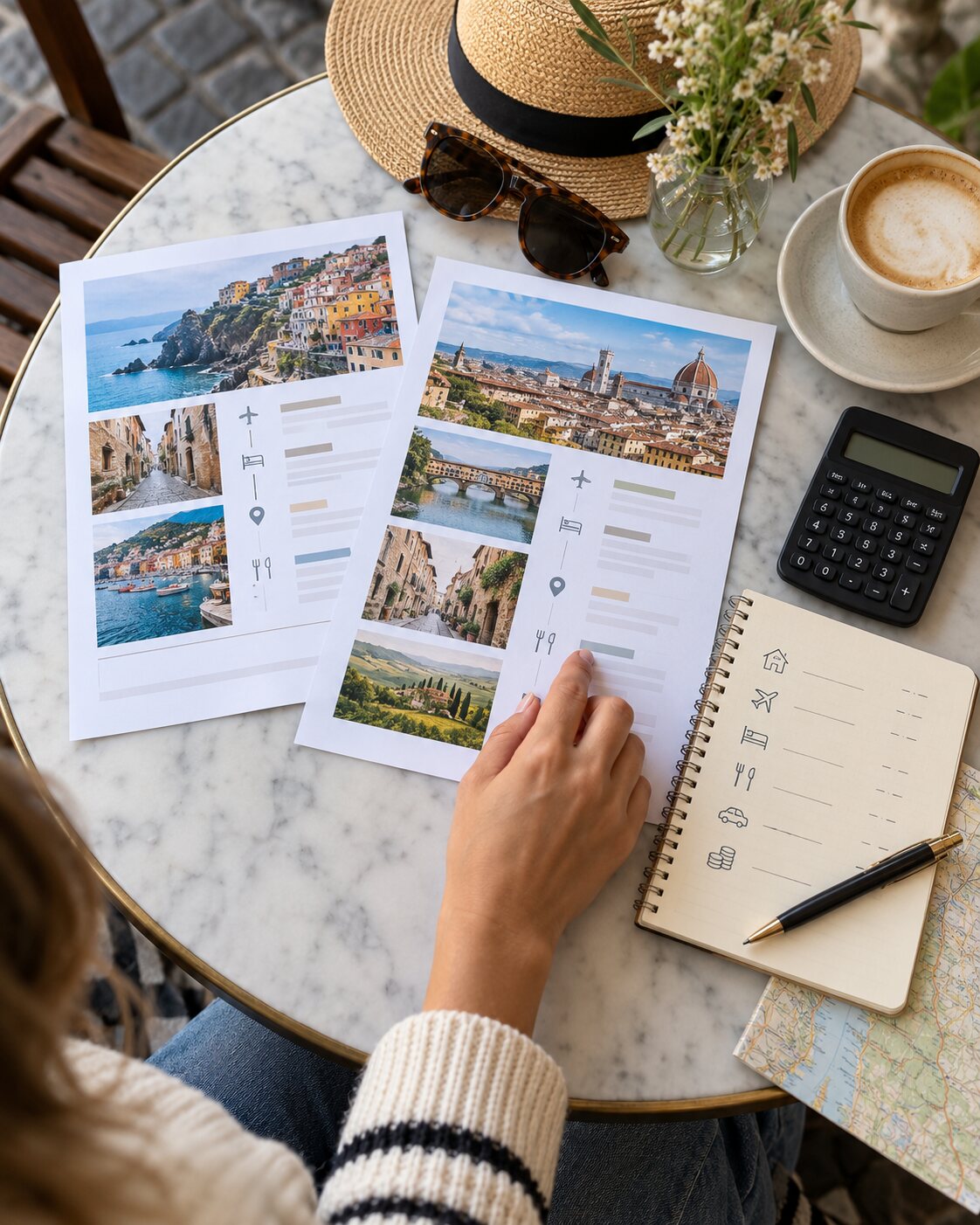
A five-minute comparison before you commit
For each trip version, write down:
- Anchor: what you are protecting and its full cost.
- Lodging: total with taxes, mandatory fees, parking, and cancellation terms.
- Getting there: tickets, baggage, local transport, and travel time.
- Daily extras: meals, tickets, tips, and likely convenience purchases.
- Trade-off: what you lose or gain by choosing this option.
Then compare the total and the experience side by side. An option that saves $80 but adds two hours of travel each way may be right for one traveler and wrong for another. An accessible room close to the activity may cost more but prevent transport expenses and exhaustion. The numbers should inform the decision, not pretend that every traveler values time, comfort, or flexibility the same way.

A sample “protect the best day” plan
Imagine a two-night city break built around a $120 museum or event day for two. Keep that ticket in the protected column. Compare three hotel areas: central, one transit stop away, and farther out. Add daily transport to each quote. Pick one meal to reserve, then plan a simple breakfast and a flexible lunch. Remove a second paid attraction that repeats the same kind of experience, and keep a free walk nearby as an optional plan. If the room rate remains too high, compare a Sunday–Tuesday stay or a shorter trip before removing the anchor day.
This method also works for a beach day, show, boat tour, or family attraction. The “best day” does not need to be expensive; it needs to be the part your group would be most disappointed to miss. Protect that first, then choose the version of the trip that supports it without draining the whole budget.
Sources
https://www.consumerfinance.gov/consumer-tools/budgeting/ https://www.transportation.gov/airconsumer https://www.ftc.gov/business-guidance/resources/rule-unfair-or-deceptive-fees-frequently-asked-questions