
Flint Michigan Things To Do: A Guide to Culture, History, and Nature
Welcome to Flint, Michigan—a destination that offers far more than just a single narrative. Once known as an epicenter of American industry, the city has successfully cultivated a rich tapestry of culture, history, and natural beauty. A visit here is truly a journey through time, allowing you to connect with deep industrial heritage while simultaneously immersing yourself in modern artistic vitality.
Whether your interests lie in strolling along serene nature trails or exploring world-class art collections, Flint rewards the curious traveler. It is a multifaceted destination where the raw beauty of natural landmarks meets the refined elegance of historic architecture and the vibrant energy of local artisan communities. Prepare to discover a deep sense of place that has reinvented itself for the 21st century.

Quick picks: For a perfect day, combine culture and history by starting at the Flint Farmers’ Market, spending the afternoon exploring Downtown attractions like the Whaley House and FIA, and finishing with a relaxing walk through Stepping Stone Falls. This blend offers diverse experiences for every pace and interest.
Top Places to Stay in Flint, MI
| Hotel | Reviews |
|---|---|
| Hilton Garden Inn Flint Downtown 110 W. Kearsley St., Flint, MI 48502, United States of America | 162 |
| Hyatt Place Flint/Grand Blanc 5481 Hill-23 Drive, Flint, 48507, United States of America | 208 |
| Hampton Inn and Suites Flint/Grand Blanc 6060 Rashelle Drive, Flint, MI 48507, United States of America | 135 |
| Holiday Inn Express Flint-Campus Area, an IHG Hotel 1150 Robert T. Longway Boulevard, Flint, MI 48503, United States of America | 243 |
| Best Western Plus Flint Airport Inn & Suites 6075 Hill 23 Drive, Flint, MI 48507, United States of America | 899 |
| Budget Inn Flint 6550 North Dort Highway, Flint, MI 48505, United States of America | 5 |
| Gateway Hotel & Convention Center Best Western Premier Collection 5353 Gateway Centre Blvd, Flint, 48507-6351, United States of America | 89 |
| Baymont by Wyndham Flint Airport North 2361 Austin Parkway, Flint, MI 48507, United States of America | 66 |
| Residence Inn by Marriott Flint Grand Blanc 2202 West Hill Road, Flint, MI 48507, United States of America | 165 |
| Courtyard by Marriott Flint Grand Blanc 5205 Gateway Center, Flint, MI 48507, United States of America | 220 |
| Baymont by Wyndham Flint 4160 Pier North Boulevard, Flint, MI 48504, United States of America | 639 |
| Knights Inn Flint 2324 Austin Parkway, Flint, MI 48507, United States of America | 191 |
| Days Inn by Wyndham Flint/Bishop International Airport 2325 Austins Pkwy, Flint, 48507, United States of America | 237 |
| Red Roof Inn Flint - Bishop Airport G - 3219 Miller Road, Flint, MI 48507, United States of America | 165 |
| Gorgeous private 1 bedroom apt Michigan Avenue, Flint, MI 48505, United States of America | — |
| Flushing Centennial Farmhouse 204 North Seymour Road Apt A ( first floor), Flint, MI 48433, United States of America | — |
| Updated, Family-Friendly Flint Home with Yard! Flint, 48503-1158, United States of America | — |
Destination Overview: What to Expect When Visiting Flint
When planning a trip to Flint, understand that you are not visiting one single attraction; you are exploring a city of themed neighborhoods and varied experiences. The historical backbone of the region—its role in American manufacturing and the automotive industry—is palpable everywhere, from preserved buildings to museum exhibits. This industrial depth provides a fascinating context for understanding modern life.
However, this history does not overshadow Flint’s artistic or natural spirit. Today, the city is defined by its commitment to cultural revitalization. You can transition seamlessly from touring 19th-century mansions and historical civic buildings to enjoying contemporary art installations in a vibrant downtown core. Because of this duality, Flint caters exceptionally well to diverse interests: it’s excellent for families seeking interactive science exhibits, history buffs who love preserved architecture, and nature enthusiasts looking for quiet woodland escapes.
Best Things To Do: A Deep Dive into Attractions
Flint boasts several exceptional venues that cater to every curiosity. Each site offers a unique window into the region’s past and its artistic present. We have compiled detailed guides on the must-visit spots, providing context for how best to experience them.

Sloan Museum of Art & Science
The Sloan Museum is arguably one of Flint’s most powerful draws, functioning as a nexus where scientific curiosity meets local history. It appeals equally to children and seasoned academics because it seamlessly blends multiple disciplines under one roof. The museum excels at making complex subjects—from quantum physics to the evolution of flight—highly interactive and engaging.
Key Highlights:
- Science Displays: These areas are hands-on, allowing visitors to physically engage with principles of chemistry, biology, and physics. It is generally recommended for family outings as learning feels like play.
- Automotive & Local History Exhibits: A crucial part of the collection showcases the incredible history of the automotive industry in Flint. By viewing classic cars alongside tools and artifacts from early settlers, visitors gain a deep understanding of how local commerce shaped American life.
Visitor Context: Allocate at least three to four hours here if you want to explore both the science wing and the historical sections thoroughly. This is an ideal stop for all ages.
Flint Institute of Arts (FIA)
For those with a passion for visual culture, the FIA provides a sophisticated artistic education. The institute’s scope is global, meaning that no matter what period or region you are interested in—be it ancient Egyptian sculpture, Renaissance painting, or modern American works—there are exhibits to captivate you.
What Makes It Special:
- Permanent Collections: These foundational exhibits showcase timeless masterpieces from diverse cultures, giving a broad education in art history.
- Special & Traveling Exhibits: The FIA is constantly refreshing its experience with rotating themes and unique pieces sourced from around the world. This ensures that even repeat visitors find something new to marvel at.
Visitor Context: Treat this visit like an academic exploration; take your time, read the placards, and let yourself wander through the galleries. It is a calm, contemplative environment perfect for couples or solo travelers seeking inspiration.
Stepping Stone Falls & Nature Preserves
When you need a break from museums and historic buildings, Stepping Stone Falls offers immediate tranquility. This natural preserve provides an essential counterpoint to the city’s industrial history—a place of pure, uninterrupted nature. The waterfall itself is breathtakingly beautiful, providing stunning photo opportunities.
The surrounding trails are well-maintained, making them accessible for a peaceful, leisurely stroll. You can easily spend hours simply walking and observing the natural cycle of flora and fauna. The variety of paths—from easy lakeside loops to more moderate woodland treks—means there is an ideal walk whether you are with young children or prefer a steady, contemplative pace.
Visitor Context: This location requires comfortable shoes and should be planned as a half-day activity (2–3 hours). Always check the preserve’s website for seasonal closures or trail conditions before heading out.
Flint Farmers’ Market
The local farmers’ market is more than just a place to buy groceries; it is the heart of Flint’s community life. It offers an incredibly rich sensory experience, mixing the sights and smells of fresh produce with the sounds of local artisans hawking their crafts.
What You Will Experience:
- Local Produce: Vendors bring in a bounty of seasonal fruits, vegetables, and herbs grown by nearby farms. This is an excellent place to purchase ingredients that truly reflect regional flavor profiles.
- Artisan Goods: Complementing the fresh food are stalls dedicated to handmade crafts—from jewelry and pottery to textiles. Shopping here directly supports local artists and small businesses.
Visitor Context: The market is best experienced in the morning, allowing you time to wander through all the vendor rows without feeling rushed. It makes a perfect, casual starting point for your day of exploration.
Downtown Flint Historic Core & Downtown Exploration
The core downtown area provides an immediate immersion into Flint’s architectural history. This district features a charming blend of preserved 19th and early 20th-century buildings alongside modern local shops, creating a dynamic environment for wandering.
Key Historical Sites:
- Whaley House Museum: A stunning example of Victorian architecture, this mansion offers visitors a detailed look into the life of Flint’s early elite.
- Capitol Theatre & Historic Buildings: Walking through these areas allows you to appreciate the city’s civic pride and architectural grandeur during its boom years. Many surrounding streets are dotted with unique local shops that keep the historic character alive.
Visitor Context: This area is highly walkable. Plan for a leisurely 2–3 hours, treating it like a historical scavenger hunt where you combine browsing local boutiques (like those specializing in used books or handcrafted gifts) with architectural observation.
Applewood Estate
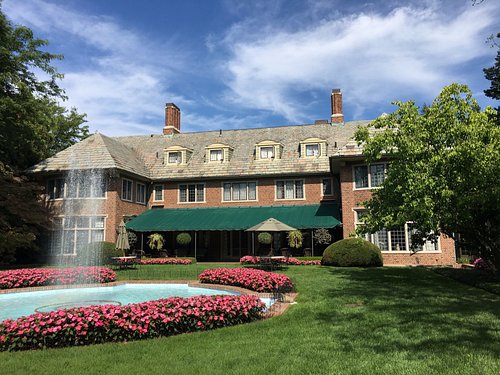
For a taste of pastoral history, Applewood Estate offers a beautiful escape into preserved grandeur. The estate is celebrated for its meticulously maintained gardens and the historic architecture that tells stories of generations past. It provides a perfect blend of nature immersion and historical touring.
The grounds are beautifully arranged with distinct areas, including rose gardens, orchards, and manicured lawns. Taking a guided tour allows you to learn about the family history and the evolution of the estate itself, while simply wandering through the paths offers plenty of quiet moments for reflection.
Visitor Context: Always check which tours are available (House Tour, Garden Tour) as offerings can change seasonally. This is a wonderful destination for families who appreciate both nature and formal history lessons.
Areas To Explore: Neighborhood Highlights
To maximize your time in Flint, we recommend grouping your activities into two primary conceptual zones:
The Cultural & Retail Hub (Downtown Core)
This central district is where the magic of modern and historical retail meets civic life. This area clusters most of the key museums (FIA, Sloan Museum), historic landmarks (Whaley House), and local shops (the boutiques near Capitol Theatre). Because these sites are geographically close, they can be efficiently linked into a single afternoon itinerary.
The Nature & Wellness Loop
This zone is defined by the natural spaces surrounding the city. Stepping Stone Falls and the wider nature preserves offer sprawling green routes that are best accessed by personal vehicle or local bus service, providing a calming escape from the urban density of downtown.
Food and Local Tips
Flint’s culinary scene reflects its agricultural roots and diverse community. While you won’t find one single ‘best restaurant’ recommendation, your dining experience should center around celebrating locally sourced ingredients.
The Farmers’ Market is the best place to start building a gastronomic plan for your trip. Here, you can sample fresh baked goods utilizing regional wheat, taste seasonal fruits and vegetables prepared by local vendors, or purchase picnic items that reflect the area’s agricultural bounty. When dining elsewhere, look for establishments that prominently feature “farm-to-table” concepts or use ingredients sourced from nearby Michigan farms to connect your meal back to the land.
Planning and Booking Tips
Essential Logistical Warnings
Before finalizing any itinerary, please heed these crucial planning tips. Since Flint is a destination with many independently run sites, operational details can change quickly:
- ALWAYS Confirm Status: Always check the official websites for current operating hours, seasonal closures, and ticket requirements for Sloan Museum, FIA, Applewood Estate, and others before you leave home.
- Transportation Planning: While Downtown Flint is highly walkable, reaching Nature Preserves or outlying attractions like Applewood may require parking a car at a designated lot (parking availability/cost should be researched locally) or utilizing local transit schedules.
- Booking Shows: If your plan includes cultural performances at The Whiting or specialized planetarium shows at Longway, book tickets and timed entry slots well in advance, especially during peak seasons.
Suggested Itinerary: Planning Your Perfect Day in Flint
Option 1: Culture & History Immersion Day (Urban Focus)
This day focuses on the city’s built environment and cultural achievements. Start your morning (9:00 AM – 12:00 PM) at the Farmers’ Market for breakfast and local goods, allowing you to set a vibrant pace. Head into Downtown Flint to spend the afternoon exploring the FIA, allowing time to wander through global art collections. Next, dedicate the late afternoon hours to walking through the historic core, viewing architecture like the Whaley House. Finish your day with dinner nearby or attending an evening performance at The Whiting.
Option 2: Nature & Leisure Day (Green Focus)
This itinerary is designed for relaxation and connecting with the outdoors. Start by traveling out to Stepping Stone Falls early in the morning (9:00 AM – 12:30 PM), allowing plenty of time for a slow, reflective walk along the trails. After returning closer to downtown, spend the afternoon at Applewood Estate, enjoying the gardens and taking a leisurely tour. The day is winding and restorative, making it perfect for couples or families who prefer a slower pace.
Visitor Tips
For Family Travelers
The key to success with family is choosing interactive experiences. Sloan Museum’s science exhibits are ideal for all ages because they turn learning into hands-on play. For slightly older kids, the combination of the Planetarium and the accessible nature walks at Stepping Stone Falls offers variety. Keep snacks and comfortable walking shoes handy!
For History Buffs & Antiquity Enthusiasts
Focus on depth over breadth. Dedicate time to the historical narratives: Whaley House in Downtown, the automotive relics within Sloan Museum, and a detailed tour of Applewood Estate. These sites provide rich primary source material that brings Flint’s past vividly to life.
For Rainy Day Contingencies
If the weather turns sour, pivot entirely indoors! The museums are your best friends. Plan for multiple hours at the Flint Institute of Arts (FIA) or spending a full afternoon exploring both the scientific and historical sections of Sloan Museum. These venues offer robust indoor activities that will keep everyone entertained.
Frequently Asked Questions
What is the best time of year to visit Flint, Michigan?
Flint is enjoyable year-round because its attractions are so diverse. Spring offers beautiful blooms at Applewood Estate and a fresh start at the Farmers’ Market, while fall brings seasonal harvests and vibrant leaf colors along the nature trails. Summer provides ideal weather for outdoor exploration at Stepping Stone Falls. Autumn and spring are often considered the most visually rewarding times to visit.
How far apart are the major attractions (logistics and transportation)?
The primary cultural sites—the FIA, Sloan Museum, Downtown historic core, and Farmers’ Market—are generally clustered within a highly walkable radius of each other. However, Stepping Stone Falls and Applewood Estate are located in separate natural preserves that require private vehicle access or reliable local transit planning. Grouping your sightseeing into one downtown day and one nature day is the most efficient approach.
Do I need a guided tour or can I wander independently?
You have the freedom to do both! For sites like FIA, you are free to wander at your own pace and take photos. However, for historical depth (like Applewood Estate or certain sections of Sloan Museum), taking a dedicated guided tour is highly recommended. These tours often provide necessary context and anecdotes that make the history come alive in a way self-reading cannot.
Conclusion
Flint is truly a destination that encourages deep exploration. It successfully balances its powerful industrial past with a thriving commitment to art, science, and nature. By approaching your visit with curiosity and planning around these diverse facets—from the global masterpieces at FIA to the local crafts at the Farmers’ Market—you will discover a city rich in character and boundless opportunity for discovery.
We hope this guide inspires you to plan an unforgettable trip. Enjoy the unique blend of history, culture, and natural beauty that makes Flint, Michigan, such a special place to visit.