
11 Seafood Road Trips With Markets and Sunset Tables
A seafood road trip sounds simple until you realize that the best meal, the open market, and sunset may happen in three different places. The fix is to plan one coastal stretch at a time: visit a market or harbor early, take a scenic drive with daylight to spare, and book or choose a dinner stop that does not depend on perfect timing.
These 11 route ideas pair a seafood-focused stop with a sunset-friendly place to end the day. They are planning frameworks, not promises about current vendors, seasons, or sunset views. Seafood availability, market hours, weather, and road conditions change. Check the official market and restaurant pages before leaving, and ask where the seafood was harvested if source matters to you. If buying raw or chilled seafood, use a cooler and follow current food-safety guidance.
How to plan a seafood day without rushing
Pick a short corridor rather than trying to drive the entire coast in one day. Visit a market early, but do not buy perishable food if you will spend hours in the car without refrigeration. Keep lunch flexible and make sunset dinner your anchor. Check tide, weather, and road conditions where relevant, and have a second place in mind if the first restaurant is full. For a sunset table, ask whether reservations are available, whether the view is from indoor or outdoor seating, and whether the timing changes with the season.
11 coastal routes to build around seafood
1. Seattle waterfront to a Puget Sound evening
Start at a market or seafood counter in Seattle, then spend the afternoon on the waterfront or in a nearby neighborhood before choosing dinner with a view of the water. Ask which species are on the menu and how they are prepared; seasonal supply matters. If you want to bring fish home, do so near the end of the day and keep it cold. A ferry or waterfront walk can make the route feel like a coastal outing without a long drive. Check schedules and market programs before you go: https://www.pikeplacemarket.org/market-programs-events/farmers-markets/
2. San Francisco Embarcadero and a Bay-side sunset
Make the Ferry Building area the morning anchor, then explore the waterfront at a comfortable pace. The Embarcadero gives you multiple places to pause without committing to a lengthy coastal drive. Choose dinner based on current seafood sourcing and seating, not just a photograph of a sunset; fog and wind can change the view. A sheltered outdoor patio or window table may be more reliable than an exposed deck. Market schedule and vendor information: https://foodwise.org/markets/visit/
3. Monterey Bay: market stop, coastal walk, early dinner
Use a harbor or local seafood market as a starting point, then allow time for a coastal walk before dinner. Ask restaurants about current catch and preparation; do not assume a menu item is local just because the town is by the ocean. If wildlife viewing is part of the day, keep a safe distance and leave time for parking. Sunset arrives earlier in winter, so check the date-specific time and reserve dinner accordingly.
4. Oregon coast: Newport harbor to a beach-town meal
Choose one harbor town, visit a seafood counter, and spend the afternoon on a nearby beach or headland. Oregon coastal weather can turn quickly, so pack a warm waterproof layer and do not plan dinner around an outdoor table alone. Ask about crab or other seasonal offerings and confirm whether the kitchen is open outside peak summer. If you buy chilled seafood, transport it directly to a refrigerator rather than carrying it through a long scenic detour.
5. Washington’s Olympic Peninsula: harbor lunch to a sheltered sunset
The peninsula rewards a slower route. Pick a harbor or small town as your food stop, then check the drive time to a beach or viewpoint before sunset. Distances can be longer than they appear on the map, and winding roads take time. Choose dinner near your lodging if dusk driving would add stress. Check local advisories and access conditions, and ask restaurants whether fish is locally sourced or simply prepared in the area.
6. Maine midcoast: lobster-roll lunch and an evening harbor
In season, a lobster roll can make an easy lunch; verify hours and menu availability before detouring. Consider saving the sunset for a quieter harbor walk or a reservation where you can sit down and take your time. Do not assume every seasonal stand remains open late. If weather is cool or windy, an indoor window seat may provide a better experience than an exposed picnic table. Keep the day to one or two towns so you are not watching the clock all afternoon.
7. Cape Cod: market morning, beach evening
Visit a local fish market early, then spend the middle of the day at a beach or in a village. Traffic and parking can dominate summer travel, so choose a market and dinner in the same general area. Check beach access and sunset time before you set the plan. If dinner is outdoors, have a backup for wind or rain. Ask what is fresh that day rather than ordering by habit; availability can shift with weather and supply.
8. Rhode Island: coastal market and Narragansett Bay
Build a short route around a market, a harbor or bay walk, and an early dinner. A compact day lets you enjoy the water without making every meal a stop on a checklist. Ask about preparation styles and portion size; chowder, shellfish, and fried seafood can make a filling meal. If you are visiting in shoulder season, confirm which businesses are open and whether outdoor seating has ended for the year.
9. Chesapeake Bay: crab market to a waterfront table
Choose a town with a clear link between market and waterfront, then keep the day local. Crab season and serving styles vary; ask about the source, whether the meat is fresh or prepared, and what is in a crab cake. A waterfront view does not guarantee a sunset-facing table, so request the seating you want when booking. Bring layers for evening breezes, and leave time for a short walk after dinner.
10. Charleston harbor: seafood lunch and a golden-hour stroll
Charleston’s waterfront and historic neighborhoods make it easy to pair a seafood meal with an evening walk. Choose lunch at a market or restaurant, then use the cooler part of the day for sightseeing. At sunset, find a public waterfront route or reserve a table, depending on your preference. In warm months, avoid leaving seafood in a parked car and bring water. Check current menus for sourcing and preparation, especially if you are looking for a specific fish or shellfish.
11. Florida Keys: fish market to a west-facing dinner
The Keys are a natural fit for a sunset meal, but travel between islands takes longer than a quick map glance suggests. Choose a market or fish counter near your lodging, then select a dinner stop with enough time for traffic and parking. Ask what fish is local and what is in season; species and names can be confusing, so request clarification. Reserve a table when possible and have a weather backup. A short waterfront pause can be just as memorable as a formal dinner view.
Market stops: what to ask before you buy
- What species is this, and where was it harvested?
- Is it fresh, previously frozen, cooked, or ready to eat?
- How should it be stored, and how long can it stay chilled during my drive?
- Can you pack it with ice or provide insulated packaging?
- Are there current advisories or local restrictions that affect harvest?
Keep seafood at 40°F or below when chilled, and do not leave perishable foods at room temperature for more than two hours—or one hour in temperatures above 90°F. Use a cooler with ice or frozen packs, and plan the purchase close to your final stop. https://www.fsis.usda.gov/food-safety/safe-food-handling-and-preparation/food-safety-basics/food-safety-while-hiking-camping
Sunset-table planning checklist
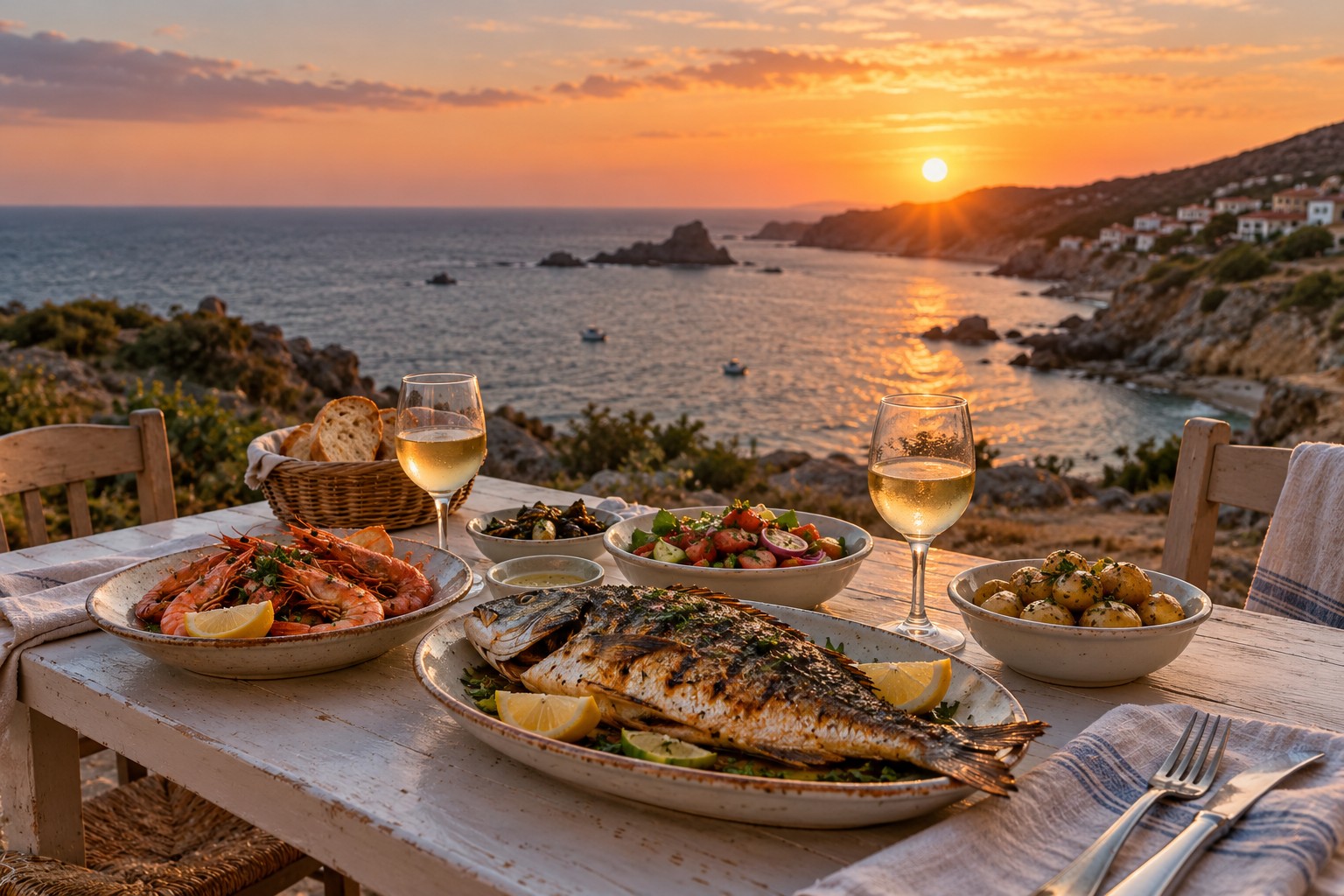
- Check the sunset time for your date, not a generic seasonal estimate.
- Ask whether the restaurant has water views from the specific table area.
- Reserve in advance if the view is central to the evening.
- Keep a nearby backup for weather, crowds, or a late drive.
- Allow enough time to park and walk from the car.
- Bring a layer; waterfront temperatures can drop after sunset.
A seafood road trip is most enjoyable when the market, drive, and sunset are parts of one unhurried day. Choose a short route, ask good questions about the catch, keep food cold, and leave enough time to watch the light change. The best ending may be a harbor bench and a simple meal, not a complicated itinerary.
Plan the seafood day around safe storage
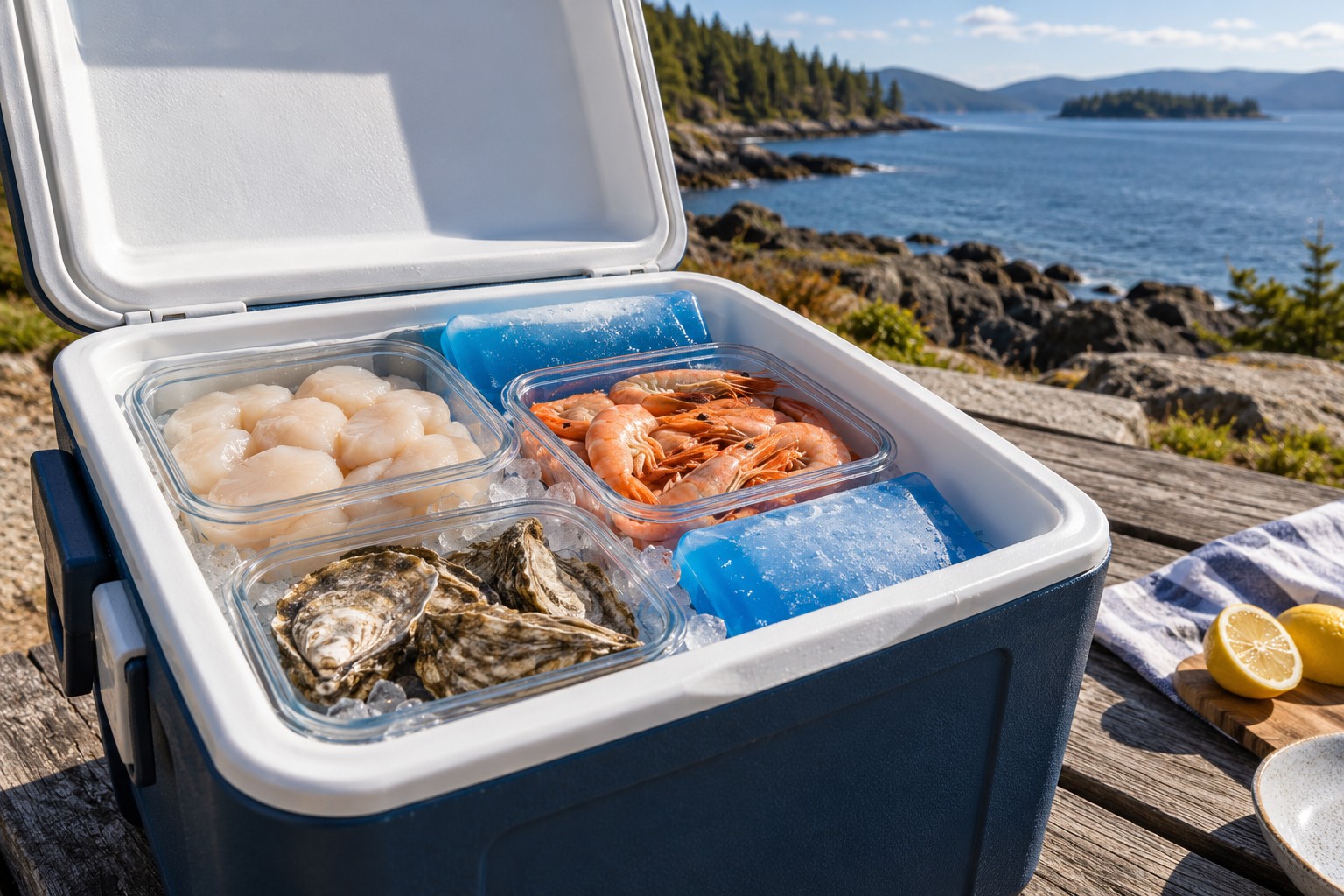
If you want to buy fish or shellfish to take away, decide where and when you will eat it before purchasing. Keep perishable seafood cold and minimize the time it spends unrefrigerated; a cooler is useful only when it is packed with adequate ice or frozen packs and kept out of the sun. Do not leave seafood in a parked car while you visit a beach or attraction. If your lodging has no refrigerator, choose a cooked meal at the market or restaurant instead of carrying raw seafood for later.
Ask the seller how the product should be stored and how soon it should be prepared. For a long drive, buy seafood near the end of the route or arrange a pickup close to your destination. Keep raw items sealed separately from ready-to-eat food, and clean hands and surfaces after handling. If you are unsure whether a product stayed cold, do not rely on smell alone to judge safety. The U.S. Department of Agriculture’s food-safety guidance explains time and temperature basics; follow local public-health advice where you travel.
Choose the right market and meal timing
Markets serve different purposes. Some are best for seeing the catch and asking questions; others are primarily retail counters or restaurants. Check current hours, whether the market is open to visitors, and whether stalls operate every day. Ask what is in season and what arrives from nearby waters, but understand that catch, weather, and regulations change. If you want a specific species or preparation, call ahead rather than assuming a menu is fixed.
For a relaxed day, make a market visit a breakfast or lunch stop, then leave a few hours for the drive and a walk before dinner. Sunset times shift by season, and coastal traffic can be slow, so avoid a reservation that requires a precise arrival after a long scenic route. Build in a buffer and choose a backup restaurant near your overnight stop. If the weather turns, an indoor seafood market or harbor museum can preserve the food theme without forcing an exposed beach visit.
Ask better questions about the seafood
“Local” is not a complete description. Ask which species is being served, whether it is wild or farmed when that distinction matters, where it was landed or raised, and how the restaurant prepares it. A staff member may not know every detail, so treat a clear answer as helpful information and uncertainty as a reason to choose another dish. Consult current guidance from reputable seafood or fisheries authorities if sustainability is part of your decision; labels and recommendations can vary by species and region.
For shellfish, ask whether the item is cooked and how it is stored. For raw preparations, consider your own health and comfort, and follow official food-safety guidance. People at higher risk from foodborne illness may need to avoid certain raw or undercooked foods. A grilled fish plate or chowder can be a satisfying alternative when you want the coastal flavor with less uncertainty. The best meal is the one you can enjoy confidently, not the one that sounds most adventurous.
Keep the route enjoyable for the whole group
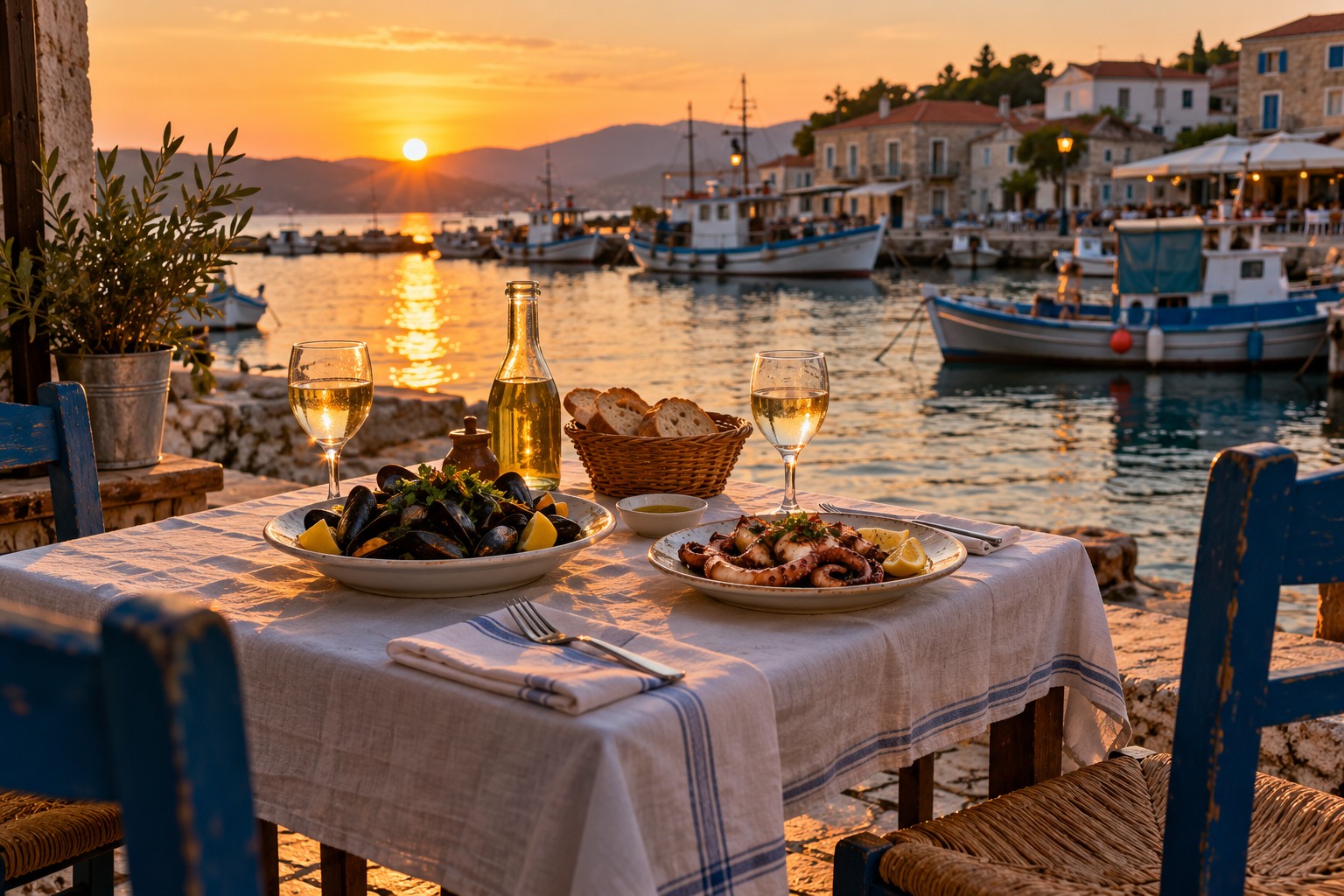
Choose a coastal stretch with more than one reason to stop: a working harbor, a short accessible walk, a lighthouse exterior, or a small town with places to sit. That gives travelers who are not focused on food something to enjoy as well. Check tide, weather, parking, and mobility details before setting out; scenic viewpoints can have uneven surfaces or limited facilities. Pack drinking water and a wind layer, even on warm days.
Set a loose spending limit for market purchases before sampling. A single fresh meal and one packaged item can be more memorable than trying to buy something at every stop. If someone in the group has an allergy, ask restaurants and vendors directly about ingredients and cross-contact. Keep the plan flexible enough to stop when a market is busy or a harbor walk is especially pleasant. That breathing room is what makes the road trip feel like a coastal day rather than a sequence of reservations.
Sources
https://foodwise.org/markets/visit/
https://www.pikeplacemarket.org/market-programs-events/farmers-markets/
https://www.fsis.usda.gov/food-safety/safe-food-handling-and-preparation/food-safety-basics/food-safety-while-hiking-camping