
10 Food-Hall Visits With a Smart Order-First Strategy
A food hall can feel like a dozen restaurants competing for your appetite. The easiest way to regret a visit is to order a full meal at the first counter, then discover the stall you really wanted on the next floor. A better approach is to browse first, choose a theme, and order in deliberate rounds. That turns a crowded hall into a flexible tasting menu where everyone can try something different without overbuying.
This guide offers ten food-hall formats and a practical order-first plan for each. The examples describe the kind of venue to look for, not a promise that a particular stall or menu is currently open. Vendor rosters and hours change; check the hall’s official site on the day of your visit. Food halls differ from traditional food courts in their independent vendors and curation, but every space has its own layout and service style.
The five-minute browse that saves your meal
Before ordering, walk the full public area once. Note what looks distinctive, where seating is available, which stalls have the longest waits, and whether you must order at one counter or through a shared system. Then ask your group what it wants: one filling dish, several small tastes, or a dessert-and-coffee stop. Pick a rough spending cap and one anchor item. When you return to the counters, you are choosing from a real overview instead of reacting to the first good smell.
10 food-hall visit plans, from first scan to last bite
1. The first-time visit: one anchor, one discovery
Choose one familiar dish that will make lunch satisfying, then one small item from a vendor you have not tried. This gives cautious eaters a comfortable base while keeping the visit exploratory. Scan menus before joining a line, compare portion sizes, and avoid ordering two items that fill the same role—two large sandwiches rarely create a better tasting experience than one sandwich and a small dessert. Sit down before deciding on the second order. If the first dish is more filling than expected, the discovery item can wait for another visit.
2. The group with different cravings: one dish per person, shared sides
Let each person choose one main from a different stall, then order only one or two sides for the table. Agree on a meeting point and check whether everyone can find seating before the food arrives. If a group member has dietary needs, ask each vendor directly; a food-hall label or shared ordering app may not capture cross-contact details. A shared table works best when the group orders at roughly the same time and waits to start until everyone is seated. Keep receipts or order numbers together if pickup counters are busy.
3. The solo traveler: counter service and a seat with a view
For one person, the advantage of a hall is the ability to choose a single portion without committing to a full restaurant experience. Find seating first if the hall is crowded, especially if you do not want to leave a bag unattended while ordering. Select a dish that is easy to carry and eat at the available tables. If you want to sample several vendors, choose one small plate and one drink rather than multiple entrees. A seat near a window or public walkway can make a short meal feel like a pleasant break instead of a logistical stop.
4. The quick lunch: order by queue, not by hype
If you have a short window, do not join the most popular line automatically. Check the service speed and menu complexity at each counter, then choose a stall with a clear order and an achievable pickup time. A hall’s quickest option may be a prepared bowl, slice, or sandwich rather than a made-to-order special. Ask how long the wait is before paying if you need to be somewhere soon. Leave a few minutes to find a seat and clear your table. For a quick visit, one good meal beats three rushed samples.
5. The tasting crawl: split portions in a planned order
Choose three categories—perhaps savory snack, main dish, and dessert—and share one item from each. Order them in that order so sweet food does not crowd out the meal, and pause between rounds to decide whether the next one still sounds appealing. Ask vendors whether half portions or sharing are practical; not every dish travels or divides well. Keep sauces and hot liquids stable while moving through the hall. A tasting crawl should have a stopping point: once the group is comfortably satisfied, save the remaining stalls for another day.
6. The budget visit: set a per-person ceiling
Decide the maximum spend before browsing, including a drink and tax where applicable. A common trap is counting each low-priced snack separately and discovering that five small purchases cost more than a complete lunch. Pick one filling item, share a side, and treat dessert as optional. Look for posted prices and portion descriptions; when they are unclear, ask before ordering. If the hall uses a shared payment system, check whether there is a service or convenience fee. Choosing a budget first makes a second round an intentional treat, not an accidental overspend.
7. The family visit: reduce decision fatigue
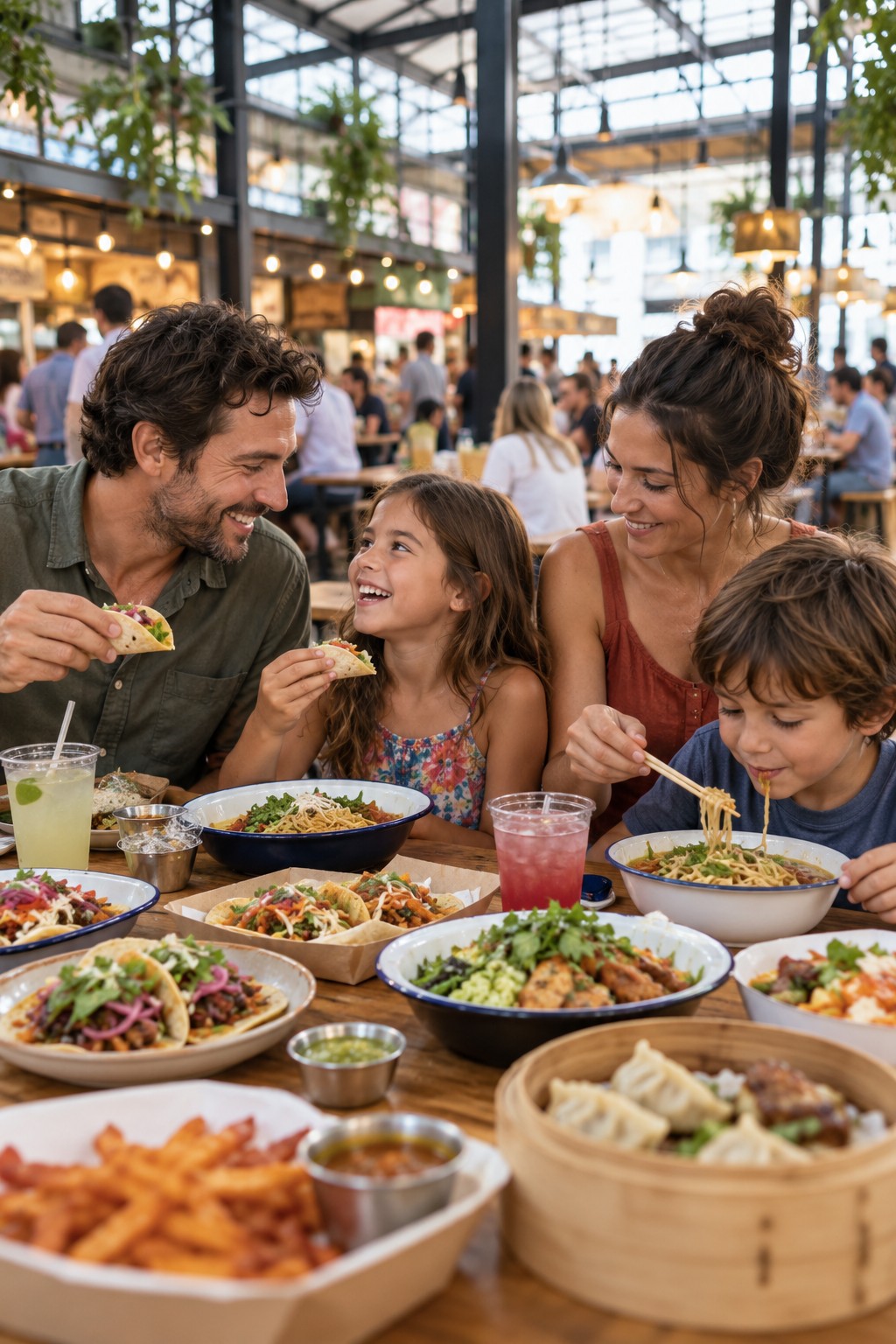
Give children or other family members a short list of choices after the first walk-through: two or three counters, not every stall in the building. Identify restrooms, seating, and a quiet place to regroup before ordering. If one adult needs to watch bags or a stroller, have another person collect the food, or choose a counter close to the table. Avoid carrying several open containers through a crowded aisle. For young children, simple dishes with manageable sauces can be easier than elaborate tasting plates. Check allergy information with each vendor rather than assuming shared kitchens are safe.
8. The food-hall date: order in two rounds
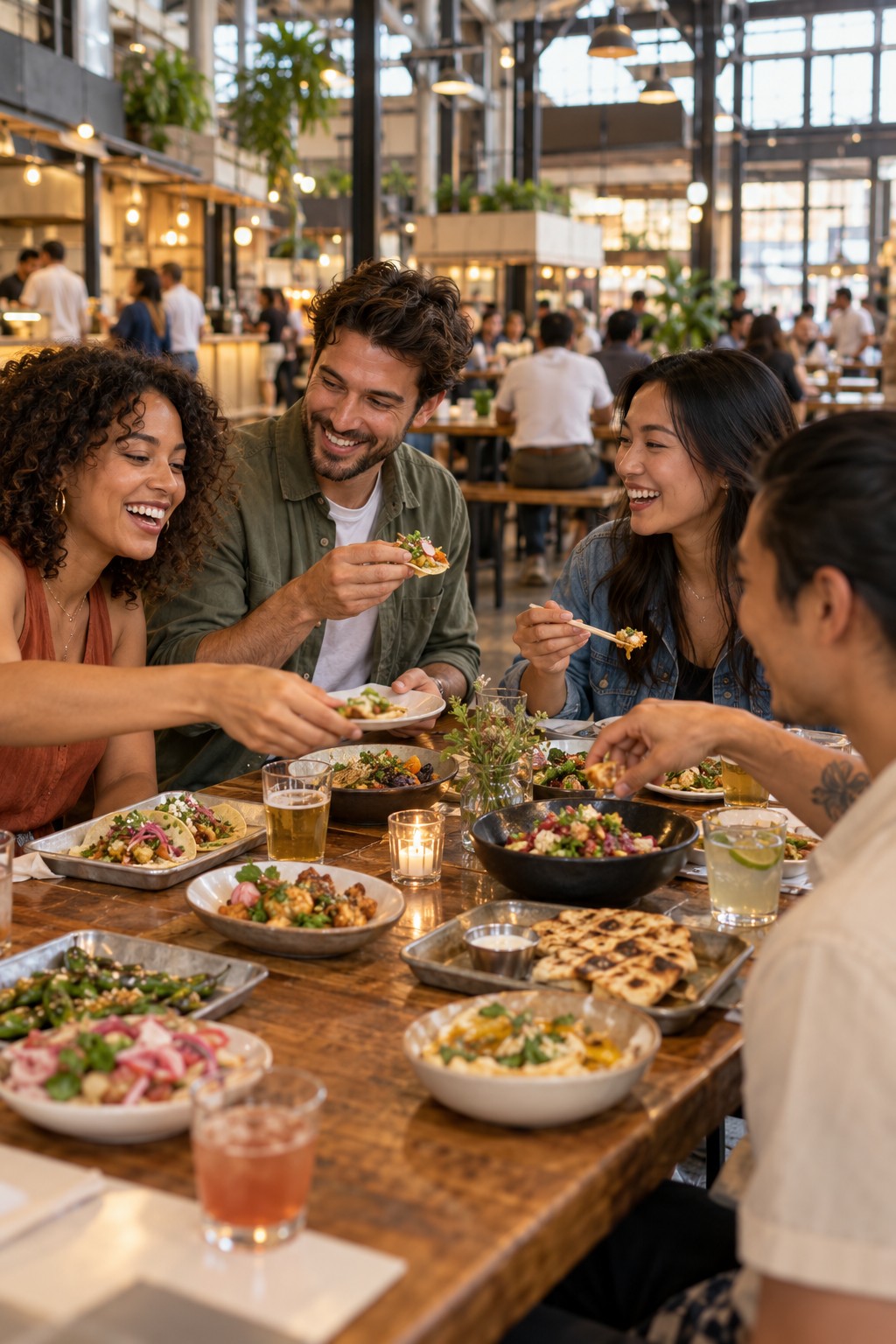
Use the first order to start the meal—one snack or drink—then sit and decide together on the main course. That creates a conversational pause and prevents each person from ordering a full meal before seeing what the other chose. Select one vendor each if you want variety, or choose a shared dish and compare toppings or sauces. If the hall is loud, a quieter corner or outdoor seating can make a significant difference. Plan a walk or another nearby activity afterward so dinner is not the only part of the date.
9. The dietary-restriction visit: verify, then order
Food halls can have shared kitchens, equipment, fryers, and service counters, so a menu symbol is only the start of the conversation. Ask the vendor how the dish is prepared, whether ingredients are shared, and whether staff can accommodate the specific restriction. If the answer is uncertain or the risk is serious, choose a different option. Carry needed medication as directed by your clinician and follow your personal safety plan. A hall may have fewer suitable choices than a conventional restaurant that can discuss preparation in detail, so do not force the setting.
10. The market-to-dinner stop: shop first, eat second
At a hall connected to a market or retail space, browse first and decide what you might want to take back, then eat a prepared meal. This prevents a full stomach from turning every food purchase into a chore. Check whether shops sell items that need refrigeration and whether your lodging has a fridge. Keep raw or perishable products separate from ready-to-eat food, and avoid buying anything that must stay cold if you cannot transport it safely. Finish with one shelf-stable treat—tea, spice, or packaged snack—if it is allowed on your route home.
Order sequencing for different appetites
| Visit goal | First order | Second order | Stop when |
|---|---|---|---|
| Quick lunch | One filling dish | Drink or small sweet | You are satisfied and on time |
| Group tasting | Two savory shares | One dessert for the table | Everyone has found a favorite |
| Budget meal | One main within your cap | Only if the total still fits | You reach the planned spend |
| Casual date | Small starter together | Separate mains or another shared plate | You would rather take a walk |
Food-hall etiquette that makes the visit easier
- Read the menu before reaching the front of the line.
- Order from each vendor separately unless the hall clearly offers shared ordering.
- Keep aisles, pickup counters, and accessible routes clear while waiting.
- Confirm whether outside food, pets, or shared seating have posted rules.
- Clear trays and return reusable dishes to the designated stations.
- Ask before photographing workers, vendors, or other diners.
- Do not hold a large table while the rest of your party is still ordering if seating is scarce.
What to check before you go
Look up the hall’s official page for current hours, vendor directory, access information, seating, parking, and any special events. Check whether individual stalls keep different schedules. If you are meeting a group, agree on a landmark and a backup plan if the space is busy. Bring a payment method accepted by the vendors and a bag for any packaged purchases. The official Food Hall Association overview can help explain the curated multi-vendor concept, while the actual venue page is the best source for practical visit details: https://foodhalls.org/
The smartest food-hall visit begins before the first order. Walk the space, choose what kind of meal you want, and buy in rounds that match your appetite and time. The hall may offer dozens of possibilities, but you only need a few good choices to leave happy—and a reason to come back for the stall you saved for next time.
Use a two-pass order strategy
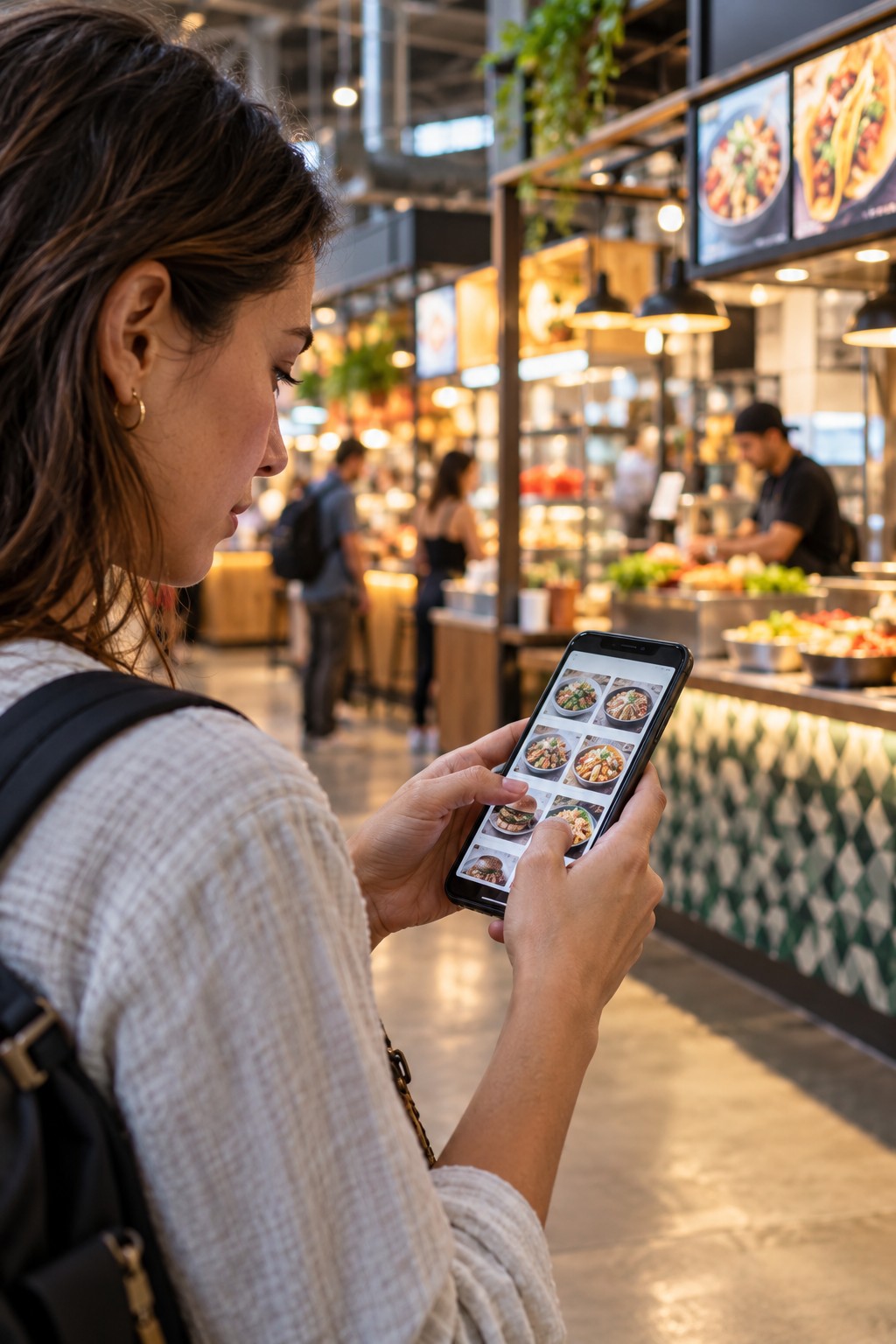
Start by reading the hall’s current vendor directory before you arrive. Choose one anchor stall for the dish you came to try, then pick one contrasting item—perhaps something crisp beside a stew, or a vegetable dish beside a rich sandwich. Decide whether you want a seat, a shared table, or a takeaway meal. At a busy hall, one person can claim a table while another orders, but check local etiquette and do not hold seats while the group is still browsing. If you are alone, place the first order and find seating before adding more food.
Use a two-pass visit. On the first loop, scan menus and note wait times, portion sizes, and seating. On the second, order only the dishes that still sound good. This reduces duplicate lines and helps you avoid buying several similar meals just because each stall has a tempting photo. Ask whether a dish is made to order, how long it takes, and whether a small portion is available. If the line is longer than your available lunch break, choose a nearby alternative rather than sacrificing the rest of the day.
Choose the right hall for your group
Travelers with different diets should look at menu variety before choosing a hall, not after arriving hungry. Check for clear ingredient information and ask vendors directly about allergens and cross-contact. A food hall is not automatically easier for dietary needs just because it has many stalls; shared kitchens and utensils can matter. Families may prefer a hall with flexible seating and fast service, while a couple seeking a slower meal may enjoy a smaller market with fewer choices. Match the setting to the group’s energy and time, not only the number of vendors.
When you have a short connection or a packed sightseeing day, prioritize location and predictability over novelty. Save a hall visit for a day when you can linger if the trip’s appeal is browsing several counters. Check operating hours, payment methods, and whether the venue has indoor seating during bad weather. A good food-hall meal has a clear plan but enough flexibility to follow one interesting discovery.
Plan around the hall’s busiest period
Meal hours can change the experience as much as the menu. Visit outside the local lunch rush if you want shorter lines and a better chance of finding seats; go at peak time only if the energy of a busy hall is part of the appeal. If your group has mixed schedules, agree on a meeting time and a simple pickup point before everyone splits up. Keep an eye on order numbers and vendor callouts, and do not block the counter while waiting. These small choices reduce friction for your party and for the people working there.
Source
https://foodhalls.org/