
12 Farmers’ Markets Worth Planning a Morning Around
A farmers’ market is at its best when the visit has a purpose. Go early for the first choice of produce, late for a slower browse, or arrive with a short list and leave room for the one thing you did not know you wanted. The right market morning is not a contest to collect the most tote bags. It is a chance to understand a neighborhood through what people grow, bake, cook, and bring in from nearby.
These 12 U.S. markets are worth building into a trip, each for a different reason: waterfront setting, regional food, historic character, or a useful mix of vendors. Market schedules, vendor lineups, and seasonal offerings change, so use the official site before traveling. A market may operate only on certain days or in certain seasons. Confirm the location and hours for the date you plan to visit.
Choose a market by the morning you want
Start with your travel style. A compact market near museums works for a short city break; a larger market with prepared food may become the main event. If you want to cook, look for produce, bread, dairy, and take-home goods. If you are staying in a hotel, prioritize ready-to-eat options and small purchases. For a quieter visit, arrive near opening or choose a weekday market where available. For a lively atmosphere, a weekend crowd may be part of the appeal—just allow more time and expect lines.
12 farmers’ markets to put on your itinerary
1. Pike Place Market — Seattle, Washington
Pike Place is an urban market woven into a working neighborhood and a waterfront visit. Go with one clear priority—produce, flowers, seafood, a snack, or simply the view—because the stalls and levels can make a casual wander longer than expected. Bring small bills if useful, keep fragile purchases in a separate tote, and do not block vendor counters while deciding. It is easy to combine with the waterfront or downtown, but check official market information for current programs and hours. Farmers market details: https://www.pikeplacemarket.org/market-programs-events/farmers-markets/
2. Union Square Greenmarket — New York, New York
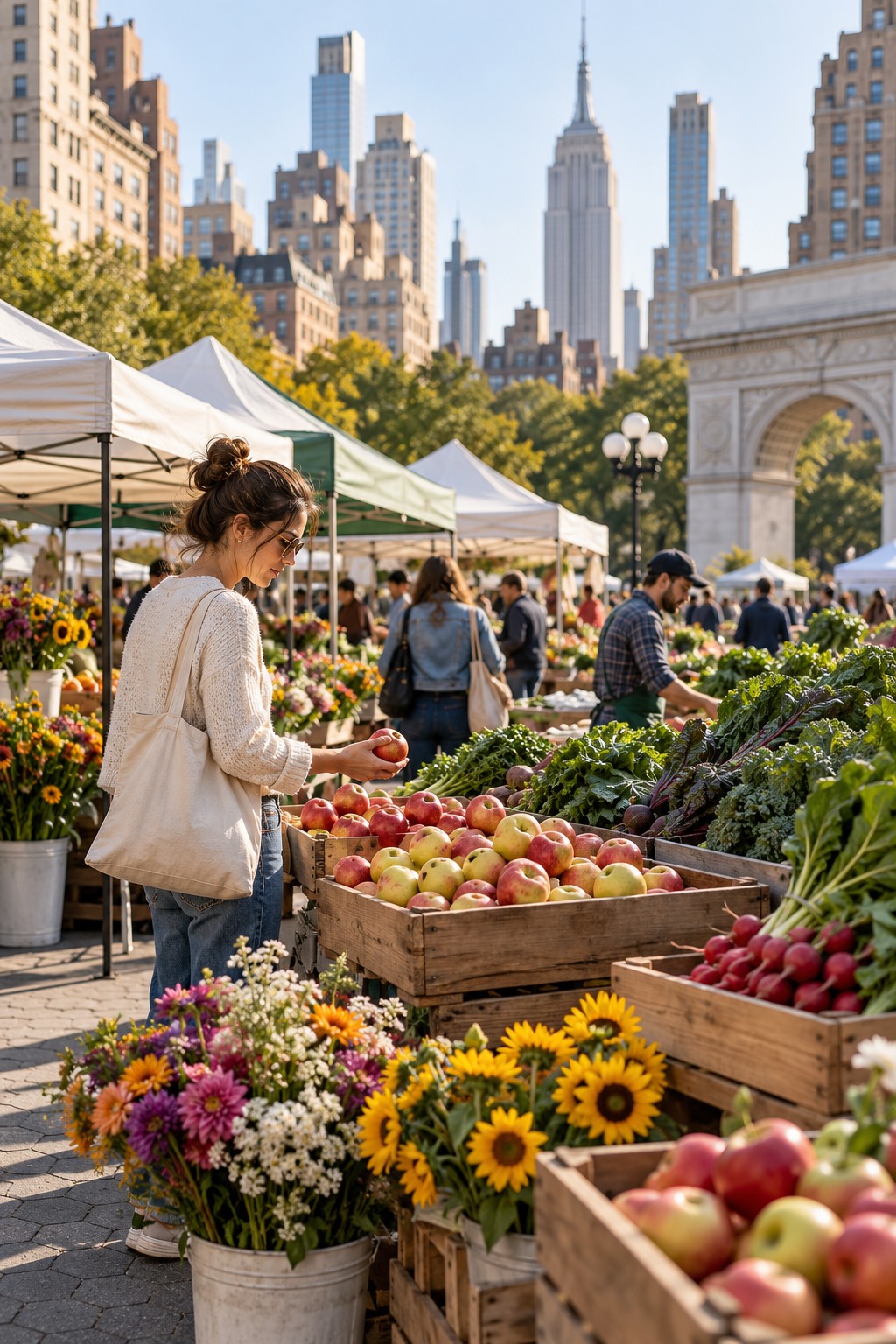
This market makes a convenient stop in the middle of Manhattan, especially if you are already exploring Union Square or nearby neighborhoods. Its strength is the opportunity to compare seasonal produce and specialty products without leaving the city grid. Check the market’s operating days and seasonal notes, then set a modest budget before browsing: abundant displays can tempt you to buy more than you can carry. If you are staying outside the area, plan your route by subway or on foot and treat the visit as a short anchor rather than a cross-city mission. Official location details: https://grownyc.org/locations/union-square-greenmarket/
3. Ferry Plaza Farmers Market — San Francisco, California
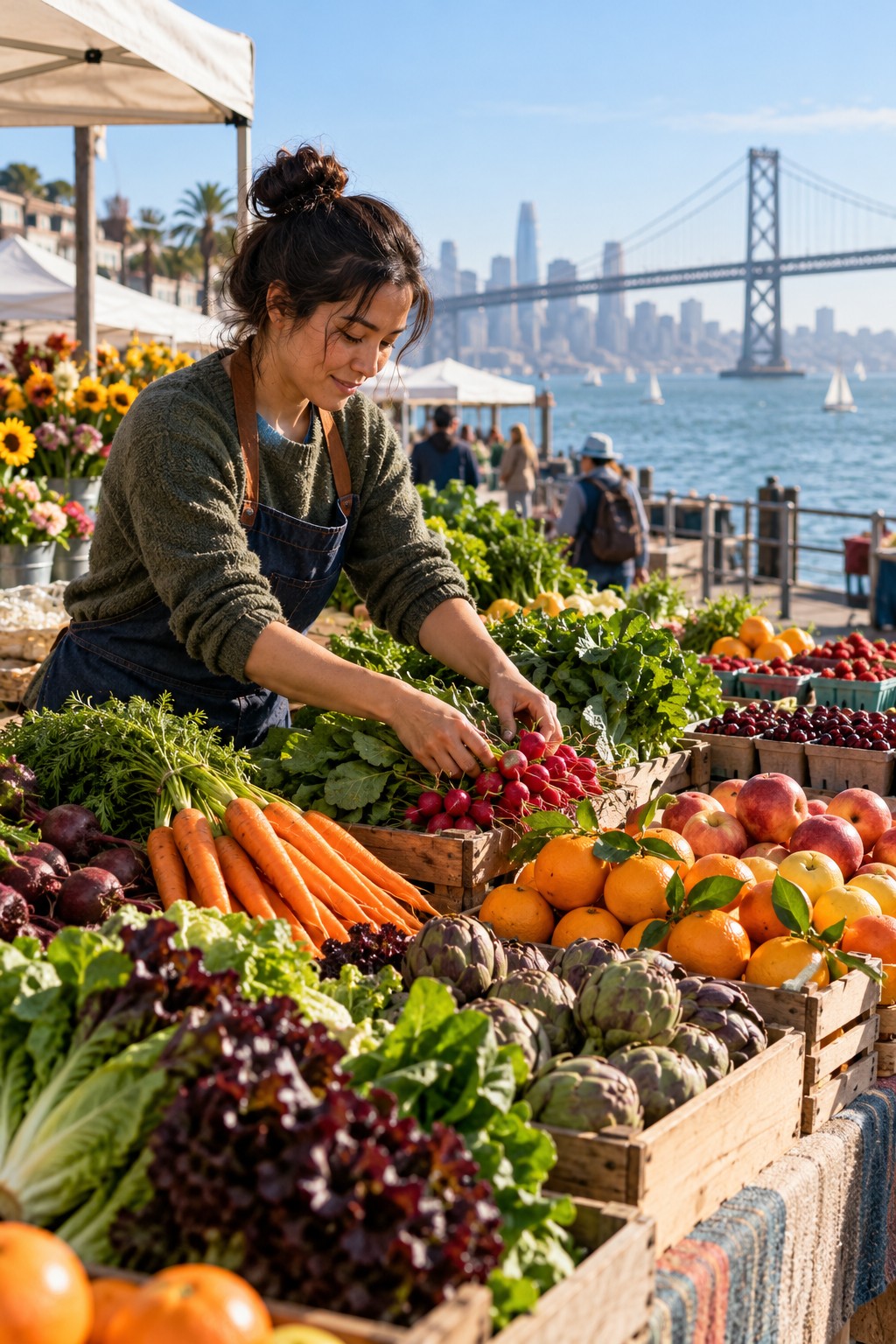
The Ferry Building setting turns market shopping into a waterfront morning. The best approach is to browse one side for ingredients and the other for a snack or coffee, then sit outside if the weather cooperates. It is a strong choice for travelers who want local food without committing to a full restaurant meal. Take a reusable bag and buy only what you can eat or transport safely; the market can be a prelude to a longer walk along the Embarcadero. Confirm market days and current vendor information on Foodwise: https://foodwise.org/markets/visit/
4. Eastern Market — Washington, D.C.
Eastern Market offers a neighborhood-scale stop that pairs well with Capitol Hill rather than a day spent only downtown. Decide whether your priority is the indoor market, outdoor vendors, prepared food, or a relaxed breakfast, and check the current schedule for the specific component you want. This is a useful market for a trip with mixed interests: one person can browse stalls while another takes a nearby walk. Carry purchases in a sturdy bag and leave room in the day for a museum or historic site. Visitor overview: https://easternmarket.org/explore-the-market/
5. Dane County Farmers’ Market — Madison, Wisconsin
Madison’s central market is a natural fit for a weekend morning near the Capitol Square. Treat the loop as a walk with tasting stops rather than shopping for a full pantry. If you want a particular baked good or seasonal item, arrive earlier and check the market’s current vendor guidance. Crowds can build, so agree on a meeting point if your group tends to split up. The Capitol surroundings make it easy to add architecture and a lakeside stroll, turning breakfast into a half-day outing instead of a quick errand.
6. Portland Farmers Market — Portland, Oregon
Portland’s market options make the city a good place to choose a location based on your itinerary. Look at the organization’s schedule and select the market that fits your neighborhood, rather than assuming there is one permanent site every day. The experience is especially useful for travelers who like sampling regional produce and prepared foods. Arrive hungry but not starving, so you can share a few small bites without overspending. If rain is forecast, bring a layer and a bag that can handle damp weather; outdoor markets are more enjoyable when you plan for the conditions.
7. Santa Fe Farmers Market — Santa Fe, New Mexico
Use the market to learn what is seasonal in northern New Mexico, and ask vendors how they use ingredients that are unfamiliar to you. Chile, beans, corn, and local produce may appear in forms that are more interesting than a souvenir label. Check the official market calendar before choosing a day, and bring cash as a backup even if many vendors accept cards. It pairs well with the Railyard district, where a market visit can lead naturally into galleries or a relaxed coffee stop. Keep purchases modest if you are traveling by air.
8. Charleston Farmers Market — Charleston, South Carolina
A market morning in Charleston works best before the day’s heat and sightseeing crowds peak. Confirm whether the market is operating during your visit and whether the schedule shifts seasonally. Browse for regional produce, crafts, or a breakfast snack, then leave time to explore the surrounding park and historic streets. A useful rule is to buy one edible item to enjoy immediately and one small, durable item to take away. Fresh goods can be difficult to keep safe in hot weather, particularly if your itinerary includes a long outdoor walk.
9. Crescent City Farmers Market — New Orleans, Louisiana
This market organization operates at different neighborhood locations, so the location matters as much as the name. Check the current calendar and select the market that fits your plans; do not rely on a map pin from an old blog post. A neighborhood market is a good opportunity to ask growers about seasonal produce and sample local prepared foods. Bring water and plan for the weather, especially during warmer months. Choose one market stop and one nearby activity, then use the rest of your day for a different part of the city.
10. Ann Arbor Farmers Market — Ann Arbor, Michigan
Ann Arbor’s market is a comfortable choice for a slower morning that still feels connected to local life. Look at the vendor information and calendar before deciding whether to make it a full breakfast outing or a quick stop for ingredients. Ask about the best way to store delicate produce if you are continuing your trip. Pair it with downtown coffee or a campus walk, and keep the plan flexible enough to stay longer if the market is lively. The most useful purchase may be a snack for later rather than a bag of perishables you cannot keep cool.
11. Pearl Farmers Market — San Antonio, Texas
The Pearl district gives this market a built-in setting for lingering: food, public spaces, and nearby businesses can fill an easy morning. Review the current vendor and event information before you go, especially if a specific product or activity is the reason for your visit. Arrive with a plan to share bites, since several small tastes usually make more sense than ordering one large breakfast immediately. If you are traveling with children, identify a place to sit and regroup before the crowd grows. A market can be the centerpiece of a neighborhood visit without requiring a packed itinerary.
12. Green City Market — Chicago, Illinois
Green City Market is a good fit for visitors interested in the link between farmers, chefs, and a large city’s food scene. Check the market’s current locations and season, because schedules can change. Go with a question—what is in season, what can be eaten raw, or how a vendor recommends cooking an unfamiliar vegetable—and the conversation becomes part of the visit. Combine it with a park or museum nearby, and bring a compact cooler bag if you plan to buy items that need to stay cold before returning to your lodging.
Make the market visit practical
- Check the date first: verify the official calendar, location, hours, and seasonal operation.
- Choose a spending limit: decide whether you are buying breakfast, groceries, or gifts.
- Carry smart: bring a reusable tote, small bills, water, and a light layer.
- Plan storage: purchase perishables only if you can refrigerate them and keep them cool.
- Ask before sampling: vendors set their own tasting policies and may be busy serving customers.
- Be kind to the flow: step aside to check maps or take photos instead of stopping in a narrow aisle.
A simple two-hour market morning
Spend the first 20 minutes walking the full market to see what is available. Use the next 30 minutes for one breakfast or coffee purchase, then return to the stalls that caught your attention. Ask one vendor a question about seasonality or preparation. Finish with a nearby walk, public garden, waterfront, or café rather than carrying produce through a full day of sightseeing. This sequence helps avoid impulse buying and gives the market a place in the larger trip.
Farmers’ markets are most rewarding when you treat them as living places, not identical attractions. Choose one that fits your route, check the official schedule, and let the season decide what deserves your attention. You may leave with a perfect peach or a warm pastry, but the best souvenir is often knowing what the region is growing right now.
Turn a market visit into a useful morning
Before leaving your lodging, check what the market actually sells that day. A farmers’ market may be strongest for produce, flowers, and baked goods, while a public market often includes prepared food, pantry items, and permanent vendors. Neither label guarantees a particular product or schedule. Look at the market’s official vendor list and social updates, then choose a simple objective: breakfast, picnic supplies, a seasonal ingredient, or a conversation with a producer. This keeps the visit focused without turning it into a checklist.
Arrive early when you want first choice, especially for popular baked goods or limited harvests. Arrive later when you prefer a quieter browse and are willing to accept fewer options. Bring a small tote and a cooler bag only if you can keep perishables at a safe temperature. Ask vendors whether samples are available instead of reaching for them, and check posted rules before bringing pets or taking photographs. A reusable water bottle and a planned place to sit can make a longer visit much more comfortable.
How to spend without buying more than you can use
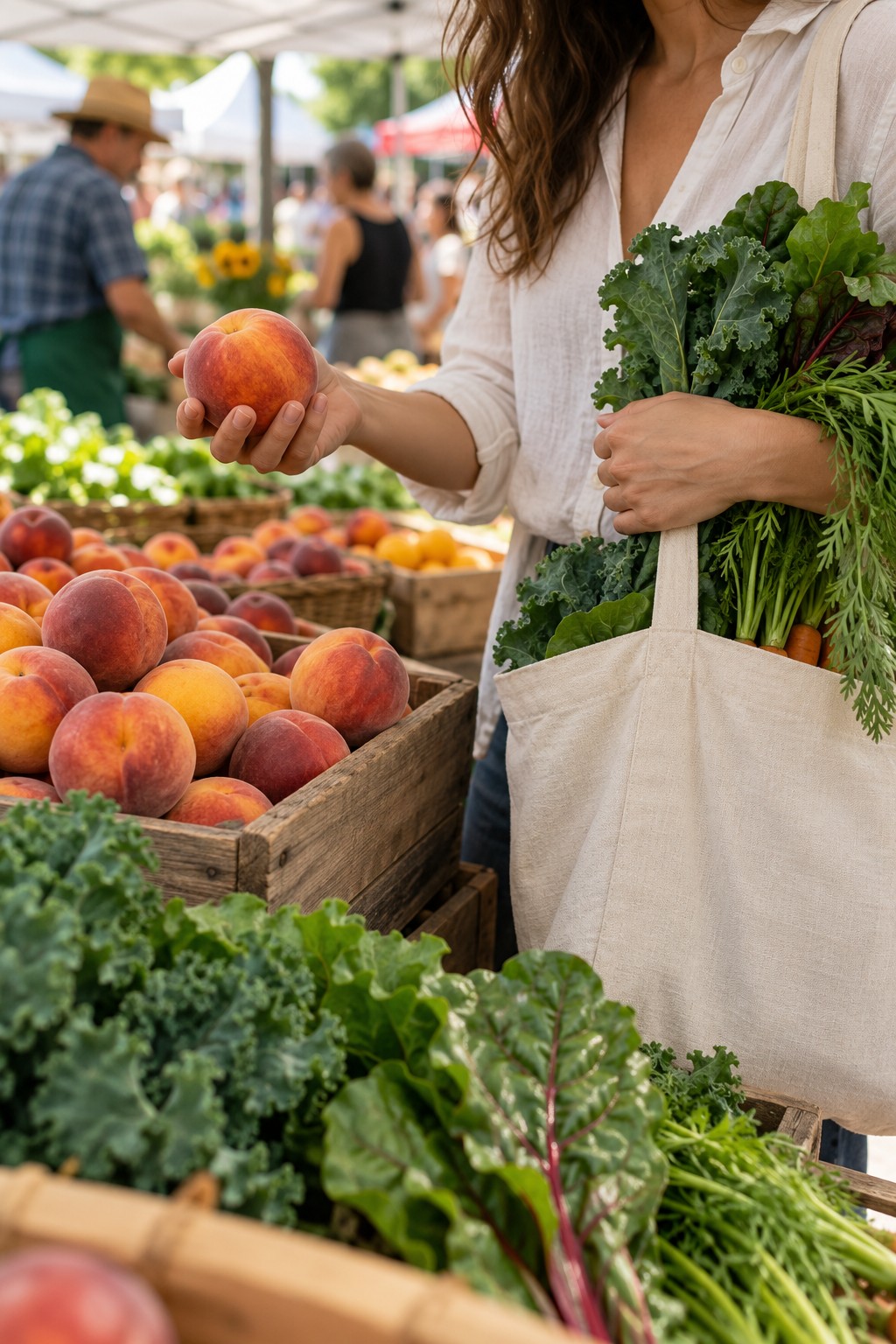
Set a loose budget before you arrive and decide what has a purpose after the visit. One breakfast, one produce item for a meal you will cook, and one small treat are often plenty for a short trip. Ask about size and storage before buying delicate fruit or a large loaf. If you are staying in a hotel without a kitchen, choose ready-to-eat items and avoid ingredients that need preparation equipment. Keep a note of vendor names for products you truly like; that is more useful than filling a suitcase with impulse purchases.
Markets are working spaces for growers and small businesses. Keep walkways clear, let customers finish ordering, and do not handle produce unless invited. If a stall is busy, step aside while deciding. These small courtesies make a visit easier for vendors and give you a chance to learn why an item is in season, how it was grown, or what preparation the seller recommends. That short conversation is often the most memorable part of a market morning.
Sources
https://www.pikeplacemarket.org/market-programs-events/farmers-markets/
https://grownyc.org/locations/union-square-greenmarket/
https://foodwise.org/markets/visit/
https://easternmarket.org/explore-the-market/
https://www.usda.gov/topics/food-and-nutrition/farmers-markets