
9 Shoulder-Season Trips With Lower-Price Trade-Offs
Shoulder season sounds like a simple bargain: travel just before or after the busiest months, pay less, and enjoy smaller crowds. The real trade is more specific. A beach town may be quiet because some restaurants are closed. A mountain route may be less crowded but have limited services. A city break can be excellent year-round, yet a major event may push prices up on the dates you picked.
These nine trip styles are ways to think about shoulder season, not guarantees of lower rates. Weather, holidays, school breaks, festivals, and local operating calendars change from year to year. Before booking, compare actual dates and decide which seasonal limits your group can accept. If the main attraction or needed service is closed, the lower price may not be a good value.
How to test a shoulder-season deal
Choose two or three date windows and compare the complete trip: lodging, transport, parking, activities, and the amount of daylight you will have. Check what is open on the weekdays you plan to visit. Look for flexible cancellation while the weather remains uncertain, and identify an indoor or alternate plan that would still make the trip worthwhile.
Use a simple test: What is cheaper? What might be closed? What would make me regret choosing this date? If you can answer all three, you can judge the trade-off rather than treating “off season” as a discount label.
9 trip ideas that can work between peak periods
1. Coastal village before the full summer rush
A late-spring or early-autumn coastal stay can be a good fit if you want shoreline walks, scenery, and a slower pace more than warm-water swimming. Check local beach access, lifeguard schedules, restaurant opening days, and whether public transit or seasonal shuttles are running. Wind and water temperature can feel very different from the sunny photos that attracted you.
Choose lodging with a comfortable indoor place to spend time if weather turns. Compare the room rate with the cost of driving to open restaurants or attractions. This option is strongest for travelers who enjoy a flexible day outdoors; it is weaker for a group whose ideal trip requires a full set of summer services.
2. National-park gateway after peak foliage or before summer holidays
Many park areas have a quieter interval between well-known seasonal peaks. A park trip can still be rewarding with a shorter trail, scenic drive, or visitor-center visit, but road closures, weather, and reduced services may shape what is possible. Check official park alerts and the specific facilities for your dates rather than relying on a general annual calendar.
Pick a gateway town with enough open options if a route closes. A lower room rate farther away may cost more in fuel and morning drive time. If your main goal is a particular trail, permit, or facility, verify it is open before choosing the dates; otherwise, choose a broader park experience that can adapt.
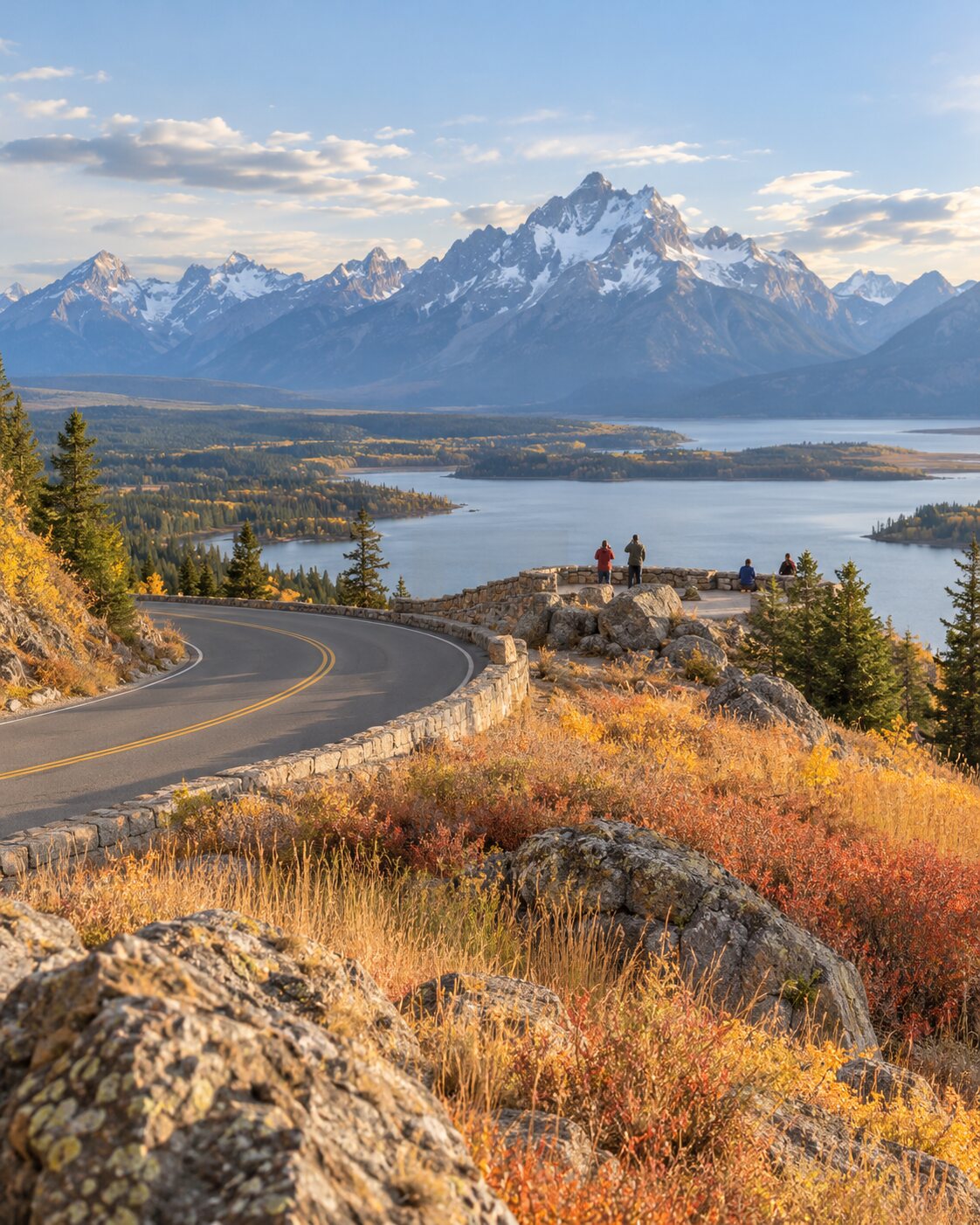
3. Mountain town outside ski or summer peak
Mountain destinations can have distinct seasons when lifts, shuttles, and restaurants operate on different schedules. A quieter spring or autumn stay may be ideal for scenic drives and low-key town time, but it may not offer the activities advertised in peak-season guides. Ask the local visitor center what remains open and which roads or paths are affected by seasonal conditions.
Compare a hotel with a kitchen or breakfast against the actual restaurant hours. If services are sparse, staying in a more populated base can be worth a slightly higher nightly rate. Build the plan around the experience that is available, not a hoped-for activity you have not confirmed.
4. Desert city before the hottest months
Traveling to a desert region in a cooler shoulder period can make outdoor sights more comfortable and lodging more competitive. The trade-off is that popular areas may still be busy during holidays, spring breaks, or event weekends. Check typical conditions for your exact dates and plan outdoor time for cooler hours. Carry enough water and choose a route that gives you shade or indoor breaks.
If your trip includes a national park or remote road, check current conditions and services. A cheaper room well outside the city may create long early drives. Compare the total route, not only the hotel price, and keep a weather-safe indoor activity as a backup.
5. Wine or farm region during a quieter weekday window
Rural food and wine areas can be calmer midweek or between harvest and holiday periods. Some tasting rooms, farms, and markets may require reservations or close on particular days. Check each place directly and avoid assuming that every stop is open because the region is a destination. If tastings are part of the trip, arrange a safe transport plan before you go.
The benefit can be a more relaxed visit and easier lodging choices. The downside is fewer open businesses and less spontaneous choice. Make one reservation that matters, then leave gaps for a walk, scenic drive, or local museum that is confirmed to be open.
6. Lakeside weekend before boating season
A lakeside town can be peaceful before summer rentals and boat tours start. The trip may still work if you want a cabin, shoreline walk, reading time, or birding. It will disappoint if you expect full marina services, warm swimming, or a busy waterfront. Verify launch access, seasonal boat operations, public restrooms, and the property’s heating or cooling before paying.
Compare a lakefront room with one in town. The closer property might reduce driving and parking, while the town base may provide more dining choices when seasonal venues are closed. If water access is the purpose, confirm the specific access point is available on your date.
7. Historic small city between festival weekends
Historic districts can be good shoulder-season choices because architecture, museums, and cafés often remain available beyond summer. But festivals and university calendars can create sudden busy dates. Check local event schedules and museum opening days, then select a date that fits the experience you want. A quiet weekday can bring shorter lines but may also mean fewer evening options.
Pick a walkable base if parking is expensive or central traffic is difficult. Confirm accessibility, opening hours, and whether any site requires a timed ticket. A compact city break is a strong fit when you want variety without relying on weather, as long as the places you care about are open.
8. Theme-park area on a non-holiday weekday
Some travelers choose a shoulder-season weekday for shorter lines or lower lodging demand, but park hours and rides may be reduced. Check the park’s official operating calendar, refurbishment notices, ticket validity, and transport schedule. A lower-cost day is not a bargain if the ride or show your family wants is closed.
Consider staying one night near the entrance if that protects a full park day and removes a long drive. If the hotel premium is high, compare it with parking, early arrival, and the energy cost of a long round trip. A flexible cancellation policy is useful if weather or park operations influence your decision.
9. City beach or boardwalk after the school-holiday rush
A city beach or boardwalk can remain enjoyable in the early autumn even when swimming season has ended. Travelers may still have promenades, cafés, historic attractions, and harbor views. Verify beach services, public restrooms, lifeguard coverage, and boardwalk opening hours. Some seasonal facilities close earlier than the weather suggests.
Choose a hotel near the activities that remain available. Do not pay a summer resort premium if the pool or beach club is closed. A quiet shoulder-season visit works best when the city itself is part of the experience and the shoreline is one component rather than the only reason to go.
Compare the real value, not just the room rate
| Question | Date A | Date B | Date C |
|---|---|---|---|
| Lodging total with taxes and fees | |||
| Transport and parking | |||
| Main attraction operating? | |||
| Seasonal services available? | |||
| Weather backup identified? | |||
| Cancellation amount at risk | |||
| Overall fit for your group |
Use the same trip length and room type for each window. Note whether the lower price depends on a long drive, fewer open restaurants, or a cancellation policy you would not otherwise choose. A small saving may still be worthwhile if the trip becomes quieter and easier; a large discount may not compensate for losing the activity that mattered.

Questions to ask before you book
- Which of the places I plan to visit are open on my exact dates?
- Are there road, trail, ferry, lift, or shuttle closures to know about?
- What is the typical weather range, and what conditions would change my plan?
- Are seasonal amenities such as pools, beach services, or tours operating?
- Is the room rate lower after including mandatory fees, parking, and transport?
- What can I cancel if a closure or severe weather changes the trip?
Shoulder season is not a universal bargain; it is a different version of a destination. If your group enjoys flexibility and has a good backup plan, the quieter window may be a better experience. If the trip depends on a seasonal activity, confirm its schedule first and be willing to choose another week when the details do not line up. A lower rate is most useful when the trip still contains the experience you came for, not when it replaces the activity that mattered most.
Decide which seasonal trade-off you are willing to make
Before comparing prices, label your trip as one of three types. A weather-led trip needs a temperature or daylight range that makes the main activity comfortable. A service-led trip depends on restaurants, shuttles, tours, or facilities being open. An atmosphere-led trip values quiet streets, flexible plans, and the destination itself more than one specific attraction. This simple label helps you decide which dates are plausible.
For a weather-led trip, compare the seasonal conditions with the clothing and pace your group can manage. If you need warm swimming water or long daylight, a lower spring rate may not fit. For a service-led trip, call or check the official schedule for the exact date; broad “season open” language can hide weekday closures. For an atmosphere-led trip, accept that the destination may feel quieter and plan a comfortable indoor pause in case the day turns cold or wet.
Then set a walk-away threshold. For example: “We will book only if the main trail is open, we can reach dinner without a car, and the room is cancellable until two weeks out.” A threshold keeps the search from turning into a debate over tiny price differences while an important condition remains unknown. If none of the available dates meets it, choose a different trip style or destination instead of forcing the shoulder-season idea.

What to recheck close to departure
Seasonal schedules and weather forecasts change. Revisit the official park, attraction, transit, and lodging pages a few days before leaving. Confirm reservation times, road access, shuttle service, and any weather advisories. Keep a saved copy of the cancellation terms and an indoor alternative that does not require advance booking. This final check takes only a few minutes and can prevent a lower-rate trip from becoming a day spent searching for something open.
If a date window is only slightly cheaper, consider whether the quieter atmosphere or easier parking adds value on its own. If the savings are large, ask what is driving them: a major closure, an inconvenient weekday, or simply lower demand. Understanding the reason makes it easier to decide whether the price is an opportunity or a warning to check the itinerary more carefully.
One useful way to choose between two shoulder-season dates is to list the three moments you most want from the trip: a particular view, a meal, or a trail. Mark each as essential, replaceable, or optional. Then check whether the essential moment is realistic on both dates. This keeps a low rate from deciding for you before you understand what the destination will feel like. If the essential activity is weather-sensitive, note a specific backup and the conditions that would make you switch. You can then book with a clear threshold instead of hoping the seasonal gamble pays off.
Sources
https://www.nps.gov/findapark/index.htm https://www.weather.gov/ https://www.recreation.gov/