
13 Easy-Access Nature Trips With Facility Notes
Nature trips are often described as easy escapes, but the phrase can hide the details that determine whether a visit feels comfortable: surface, distance, restrooms, parking, seating, shade, and the route back. A short boardwalk can include a steep approach; a scenic overlook can have no nearby restroom; a lake path may be smooth at the entrance and uneven farther along. The best choice is the outing whose actual conditions fit your group, not the one with the most impressive photo.
These 13 easy-access nature trip ideas focus on trip types and the facility notes to verify before you go. They are planning starting points, not guarantees that a named park or trail is accessible. Conditions vary by site and season. Review the managing agency’s current information, ask specific questions about the route and amenities, and choose a short version with a comfortable place to pause.
13 nature outings with practical facility notes
1. A paved lakeside loop
A paved loop can offer a predictable surface and an easy turn-around point, making it useful for a short outdoor visit. Before choosing, check the loop’s length, slope, rest areas, and whether the pavement continues from parking to the path. Ask where the nearest restroom is and whether it is open on your date. A lake loop can feel more spacious than a city sidewalk, but wind, sun exposure, and limited shade may affect how long you want to stay.
2. A short boardwalk to a viewpoint
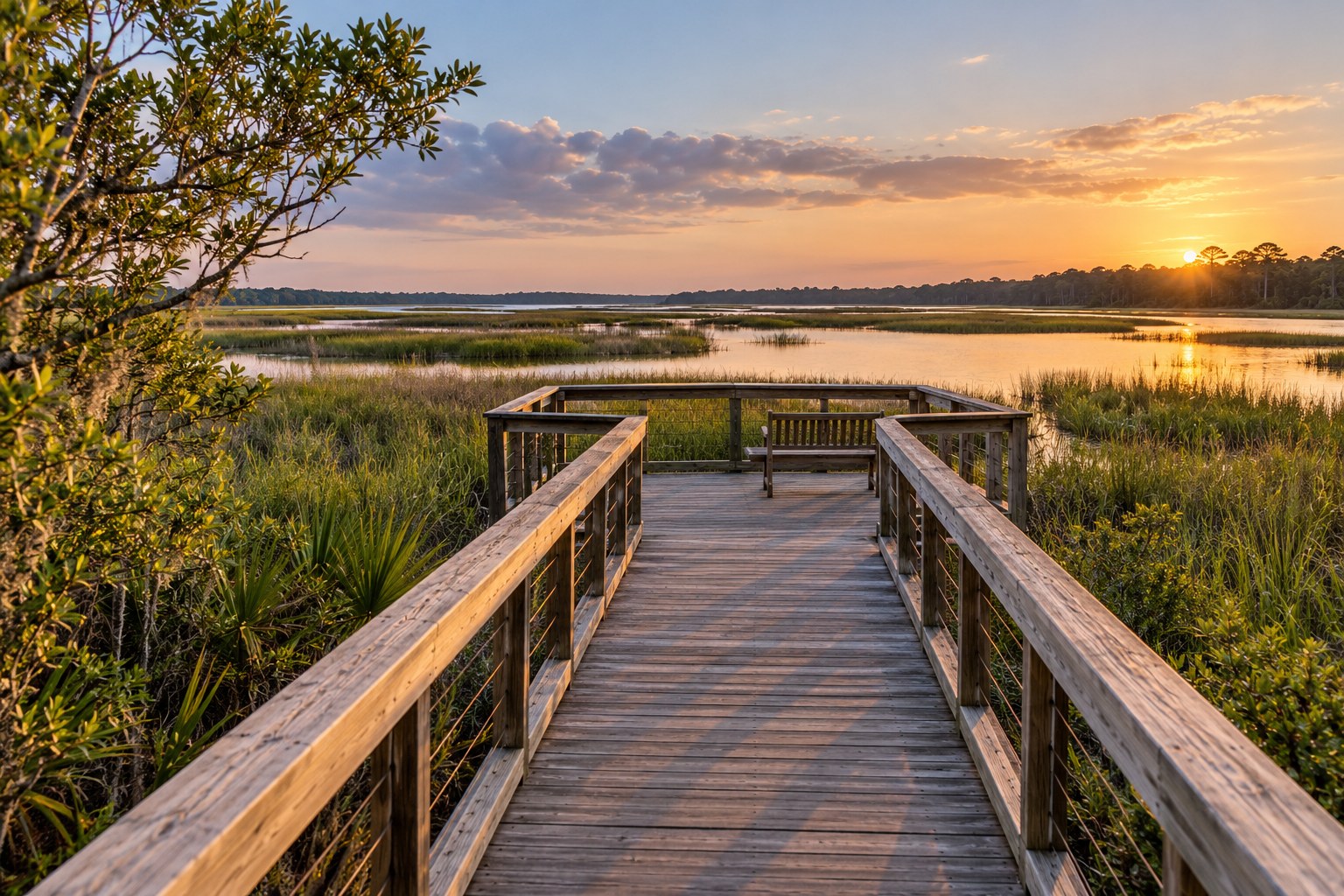
A boardwalk can make a wetland, marsh, or shoreline easier to explore without walking over soft ground. Check for steps at the entrance, narrow passing places, steep ramps, and a turning area at the end. Find out whether the platform has seating or only standing rails, and whether the route can be crowded during birding or sunset hours. If the boardwalk is a dead end, plan the return trip and identify a quieter time when passing others may be simpler.
3. A drive-up scenic overlook
A pull-off or overlook offers nature views with little walking, but the route from the vehicle to the viewpoint still matters. Check whether parking is level, whether the path has a curb or loose gravel, and how close the viewing area is. Ask whether barriers or railings limit the view from a seated position. Scenic pull-offs can be exposed to wind, heat, or road noise, so bring a layer and choose a safe place to pause rather than stopping along an unprotected shoulder.
4. A botanical garden with a short route
Gardens provide a clear destination and often have maps, benches, and restrooms, but paths may include gravel, slopes, or crowded bottlenecks. Look for an accessible route map, the location of seating, and a short loop near the entrance. Ask whether mobility devices are available to borrow and whether they can be reserved. Check event schedules because a quiet weekday display can become busy during a festival or peak bloom. If fragrance, pollen, or heat matters, use the garden’s seasonal details to choose a suitable time.
5. A wildlife viewing area with shelter
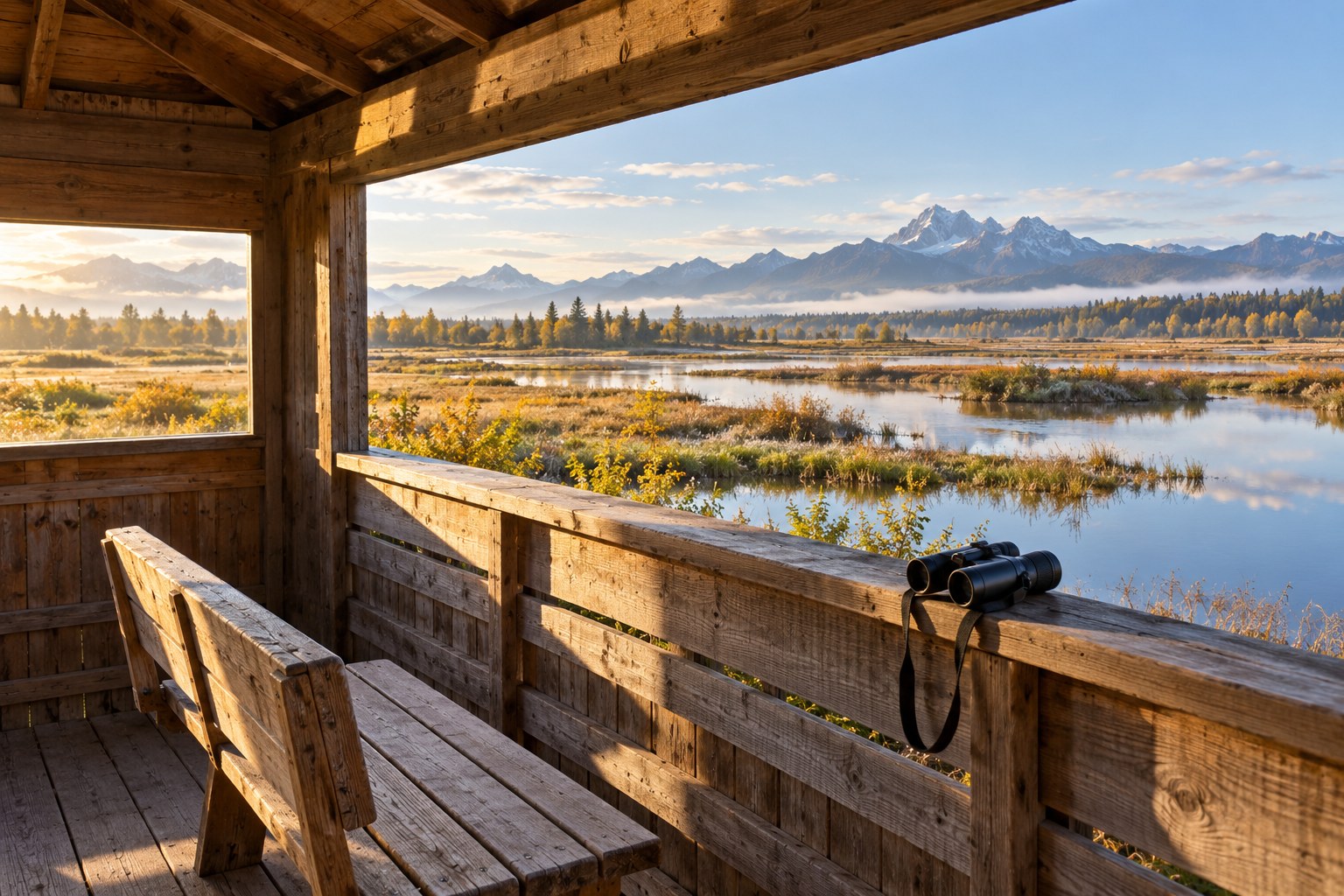
A bird blind, wildlife platform, or viewing shelter can make a short visit feel purposeful without requiring a long trail. Ask about the path surface and distance from the parking area, and confirm whether the platform has a bench, shade, or a roof. Binoculars and a field guide can make the visit rewarding from one spot. Check opening hours and wildlife restrictions, and avoid assuming animals will appear on schedule. A good viewing place should still feel worthwhile if the wildlife is quiet that day.
6. A beach or riverfront picnic area
A waterfront picnic area gives you the option to sit and enjoy the setting without committing to a long walk. Check whether tables have knee clearance, how close they are to parking and restrooms, and whether shade is available. Ask about the path to the water and whether it remains firm after rain. Picnic areas can be crowded at lunch, so consider an earlier meal or a quieter weekday. Bring the food, seating support, or shade your group needs, while following the site’s rules.
7. A nature center with indoor and outdoor options
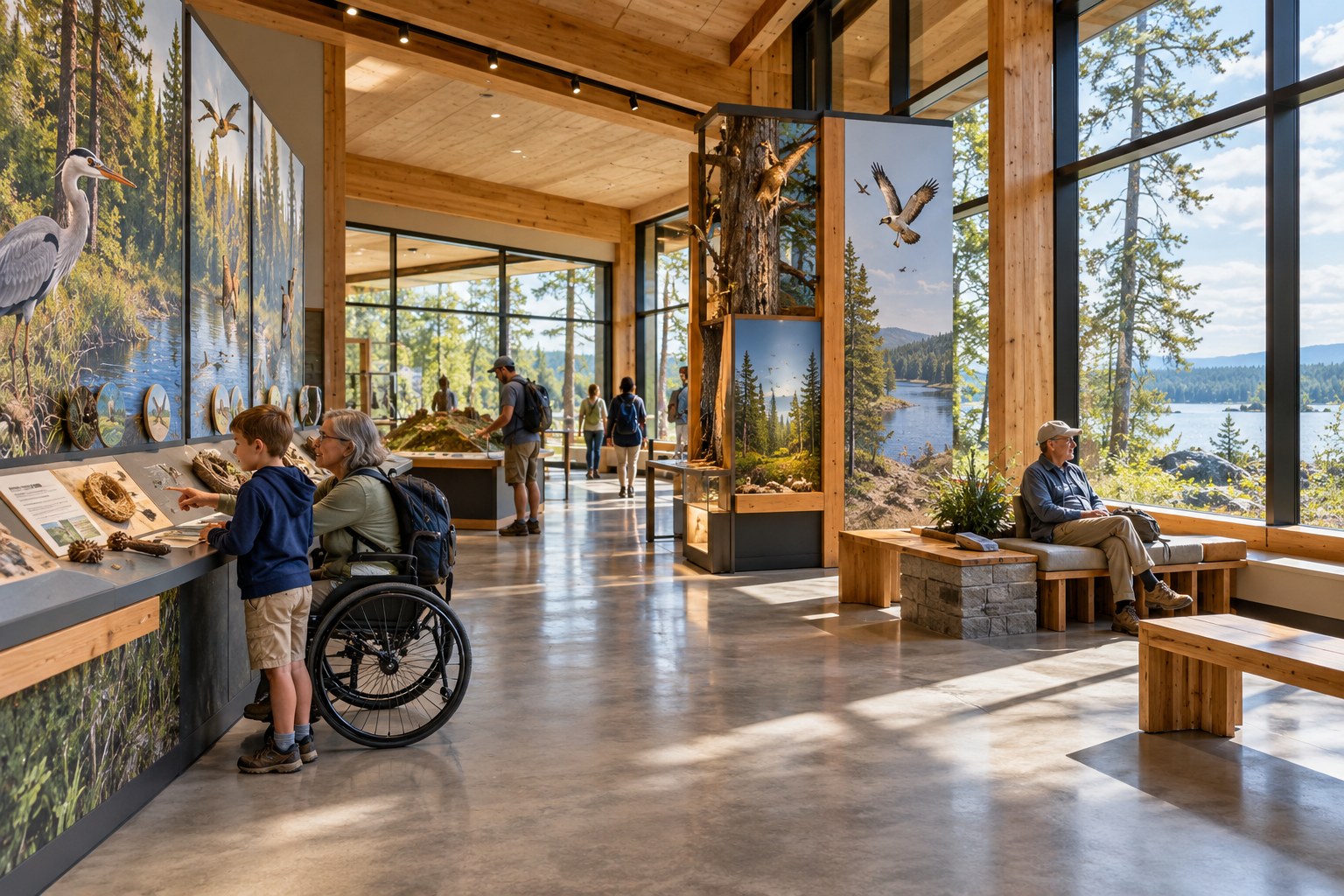
A visitor or nature center can provide a restroom, indoor seating, maps, and a short outdoor trail, giving you a useful backup if the weather changes. Confirm which facilities are open and whether the center itself has step-free access. Ask about the length and surface of the nearest path, and whether staff can recommend a low-effort route. An indoor exhibit can be a satisfying visit by itself, so you do not need to treat it as a consolation if the trail is too hot, muddy, or busy.
8. A botanical conservatory or greenhouse
A conservatory offers nature in a climate-controlled setting and can be a good option when outdoor conditions are uncomfortable. Check the temperature, humidity, pathway width, bench locations, and whether the route loops back to the entrance. Some glasshouses have narrow aisles or timed entry, so review the map and ticket requirements. Ask whether there are quiet hours or lower-traffic times. A conservatory may feel warm or humid even when it is indoors; contact the venue if those conditions affect your comfort.
9. A short waterfall or creek-view route
Waterfalls and creeks are attractive but often involve uneven ground, wet surfaces, and a steep approach. Look for an official route description that distinguishes the distance to a viewpoint from the full trail. Confirm whether the last stretch is paved, whether there is a safe place to rest, and how conditions change after rain. If the approach is not suitable, a nearby bridge, viewing platform, or drive-up overlook may offer a safer alternative. Do not follow an unofficial shortcut that crosses barriers or unstable ground.
10. A scenic rail or tram through a natural area
A rail excursion or park tram can reduce walking while providing a structured way to see a larger landscape. Ask about step height, boarding assistance, seat configuration, restroom availability, transfer time, and whether there are stops where passengers must disembark. Confirm the length of the trip and the cancellation or weather policy. A scenic ride is a good fit when the journey itself is the experience, but it may be less flexible than a walking loop if you need to pause or leave early.
11. A lakeside or harbor cruise
A short boat ride can offer a view of natural scenery without a long route on foot, but access depends on the dock, boarding method, vessel layout, and weather. Contact the operator about step-free boarding, seating, restroom access, and how long you are away from shore. Ask what happens if wind or water conditions change. A boat is a poor choice if the group needs to be able to leave at any moment; consider a dockside viewing area or waterfront café as a more flexible alternative.
12. A short forest path with benches
A shaded forest path can be more comfortable than an exposed trail, especially on a warm day. Check the surface after rain, the presence of roots or ruts, the shortest loop, and the distance between seating. Ask whether the path has a firm base and whether maintenance work is underway. Insects, mud, and low light can affect comfort even when the distance is modest. If the first section is easier than the rest, choose a turnaround point so the outing has a clear endpoint before the route becomes tiring.
13. A community garden or local greenway
A neighborhood greenway or community garden may provide a lower-key alternative to a large national or regional park. Look for entrances near transit or parking, a clear map, benches, and nearby restrooms. Check whether gates are open on weekends and whether the garden requires advance admission. Greenways sometimes cross roads or share space with cyclists, so ask about crossings and peak use. Their practical advantage is proximity: a familiar, brief visit can be easier to fit into a day than a remote destination.
Use a facility-first route check
Before departure, trace the visit in order: parking or drop-off, entrance, trailhead or viewing area, restroom, seating, and exit. Note the distance and surface between each point. If an essential facility is far from the main feature, decide whether the group can manage that return trip. Check opening hours for restrooms separately from the park’s general hours; they may not match. Save the site map offline in case service is weak, and write down a phone number for the managing office if you need to clarify a detail.
When you call, ask about a specific route rather than asking whether the whole site is accessible. “Can you describe the path from the north lot to the overlook?” invites a more useful answer than “Is this park accessible?” Ask whether the information is current, whether the route changes after rain, and where the nearest bench is. If the staff member is unsure, consider a different outing with clearer details. Choosing the more predictable option is often the better way to protect a limited energy budget.
Pick a route by your day’s priorities
Decide what counts as an easy outing before you compare destinations. For one visitor, the most important feature may be parking close to the entrance; for another, it may be a bench every few hundred yards or a restroom that is open all afternoon. Choose two essentials and one bonus feature, then evaluate each candidate against those needs. This keeps a scenic photo or a famous trail from distracting you from the practical questions that shape the visit.
Also compare how much effort the return will take. A route that is gently downhill on the way out may feel uphill when you turn around, and a lakeside path can be exposed on the return if the sun shifts. Ask where the nearest rest point sits and whether you can stop before reaching the main viewpoint. If your group has different walking speeds, decide on a meeting place and a comfortable pace before splitting up.
A simple route scorecard
- Surface: paved, compacted, boardwalk, gravel, sand, or mixed.
- Distance: to the feature and back, with a clear turnaround point.
- Effort: slope, steps, crossings, and likely crowd bottlenecks.
- Facilities: restroom hours, seating, shade, water, and indoor backup.
- Flexibility: ability to shorten the outing or leave early.
- Current conditions: weather, closures, maintenance, and seasonal staffing.
What to pack for a short nature outing
Carry only what supports the route you selected: water, a sun or rain layer, any personal supplies, a charged phone, and the map or parking details. If you plan to rest, bring a small seat or cushion only if the site allows it and you can carry it comfortably. Check whether food, pets, tripods, or mobility equipment have site-specific rules. A lighter bag makes transitions easier and leaves space for anything you might pick up at the visitor center.
Tell someone in your group where you plan to turn around and agree on a simple check-in if you split up. On arrival, look at the actual surface, crowd, and weather before committing to the full route. If conditions differ from the description, shorten the visit or use the indoor option. Nature is not a timed attraction; you can enjoy a viewpoint, a bench, or a few minutes of fresh air and still call it a successful outing.
Choose the outing that leaves energy for the return
A good nature trip is not measured by how much trail you cover. It is the experience that fits the day’s conditions, has the facilities you need, and leaves enough energy to get back to the car or transit stop. Compare the route and amenities before traveling, reconfirm details if weather or operations may change, and treat the first part of the path as a chance to reassess. A modest loop with a reliable seat can be more satisfying than a longer route that turns the return into the hardest part.
A day-before facility check
The day before you leave, check the destination’s alerts, weather, restroom hours, and any seasonal closures. Save a map that shows the route between parking, the main feature, and the nearest facilities. If the site has several entrances, confirm that your directions lead to the one with the route you researched. Keep a shorter alternative in mind in case the surface is wet, the lot is full, or the group needs a longer rest. These small checks make the plan easier to adjust without turning the outing into a search for basic information.
After arrival, take a moment to compare the actual conditions with what you expected. A closed restroom or a crowded path can change the best route, and there is no need to press on simply because you traveled there. Use the nearest comfortable feature, such as a garden bench or indoor exhibit, then decide whether to continue. A flexible plan protects the enjoyable parts of the visit and makes the return just as manageable as the trip out.
121