
11 Low-Stimulation Vacation Ideas for Quiet-Seeking Travelers
A quiet-seeking traveler does not need a silent destination to have a restorative vacation. They need a trip that leaves enough room to choose when to engage, where to retreat, and how much to do in a day. The most relaxing plan often comes from the shape of the itinerary—one home base, a slower arrival, a private outdoor space, and fewer transitions—rather than a list of places advertised as peaceful.
These 11 low-stimulation vacation ideas are flexible starting points for travelers who prefer less crowding, fewer loud environments, or more control over their surroundings. Noise, sensory access, and crowd levels are personal, and no destination can promise a quiet experience every hour. Use the ideas to compare travel styles, then verify current conditions and choose the trade-offs that work for you.
11 vacation styles with more room to reset
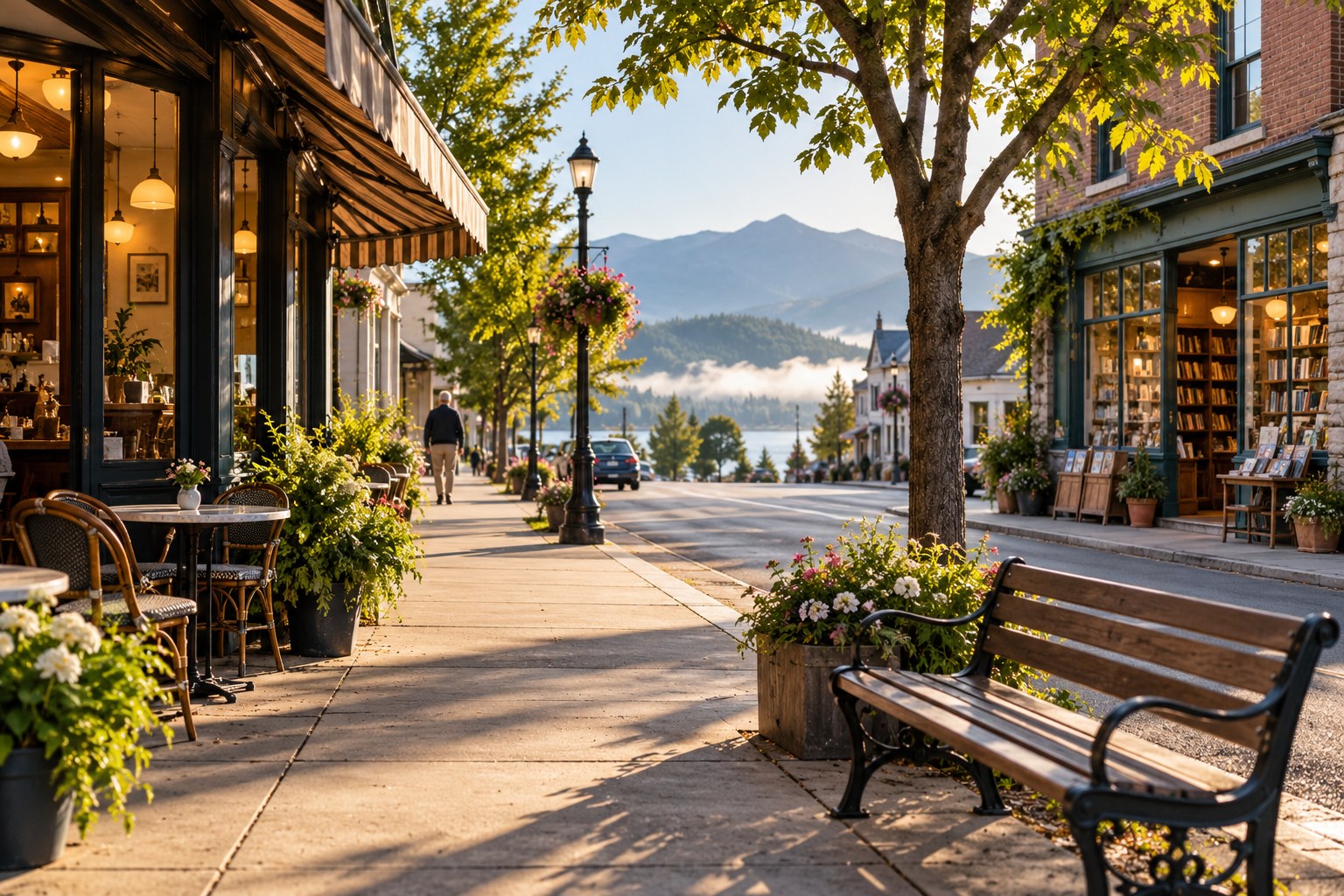
1. A weekday cabin stay with a short arrival route
A cabin outside the busiest town can offer privacy, a kitchen, and a place to spend time without repeated restaurant or attraction visits. Choose one with a simple drive from the main road and a clear arrival process; a remote property reached by a rough lane may create more stress than it removes. Ask about neighboring cabins, shared facilities, check-in timing, cell service, and any construction or event noise. A cabin is especially useful when you want to make the lodging part of the vacation, but compare its distance from groceries and medical services before committing.
2. A small-town base with one daily outing
Instead of moving hotels, choose a smaller town with a grocery store, a few dining options, and one activity within a comfortable radius. Plan a single outing each day and keep the rest open for reading, a slow meal, or a short walk. Look at seasonal festivals, school breaks, and local event calendars because a normally quiet main street can become busy for a weekend. This format works well for travelers who enjoy gentle routines, though it may feel too slow if you want a packed sightseeing trip.
3. A shoulder-season coastal stay
Coastal towns outside peak summer can have lighter foot traffic, easier parking, and cooler weather. Choose dates after checking local opening calendars: some cafés, ferries, and visitor services may close or reduce hours. A quiet shoreline may also have rougher weather or fewer lifeguard services. If long beach walks are not the goal, compare lodging with a sea view, an indoor pool, or a covered porch so the trip still feels worthwhile on a windy day. Shoulder season is a trade: more breathing room in exchange for fewer open options.
4. A resort with private space and optional activities
A resort can reduce daily decisions because meals and activities are nearby, but it may also include loud pools, entertainment, and crowded buffet periods. Look for a room or suite with a balcony, a separate sitting area, or access to a quieter outdoor space. Ask about the activity schedule, dining reservations, room location, and whether you can opt out without losing the value of the stay. This is a good fit when you want services close at hand; it is a weaker fit if the property’s main appeal is constant group programming.
5. A city break anchored by a calm hotel
Cities can feel manageable when your lodging is a reliable retreat. Choose a hotel near a transit stop or the neighborhood you want to explore, then identify one quiet route back. Request a room away from elevators, bars, loading areas, or busy streets if those sounds bother you, and verify that the request is noted rather than guaranteed. Plan an early museum visit or a reservation outside the peak meal window, then return to rest before an evening activity. The payoff is urban variety with fewer long days spent in crowds.
6. A small-ship or low-capacity nature trip
A guided boat outing, wildlife trip, or small-group nature experience may provide structure without the scale of a large attraction. Ask the operator how many guests are typically on board, whether the engine or sound system is loud, and whether you can sit near an exit or outdoors. Check how long you are committed before returning and what happens if weather changes. Smaller does not automatically mean quiet, and a nature trip may include limited control over sound and schedule. Use a direct call to assess whether the format fits your needs.
7. A garden or arboretum visit with a planned loop
A garden offers open air and a slower pace, but popular gardens can still be crowded and their routes may include gravel, hills, or narrow paths. Choose one short loop rather than trying to cover the entire grounds. Check opening time, special events, seating, restroom locations, shade, and whether visitors can leave and re-enter. If you are sensitive to heat, pollen, or fragrances, review the season and garden features in advance. The idea is to select a predictable route with a few attractive stopping points, not to wander until fatigue sets in.
8. A rail journey with a quiet overnight stop
Train travel can replace driving and create a calmer rhythm, especially when you can reserve a seat or sleeper and avoid multiple changes. Check the train’s current seating options, station layout, announcements, crowding patterns, and the distance between the platform and your hotel. A direct train may cost more than a connection, but the reduced transitions may be worth it. Plan a quiet overnight at the destination rather than arriving and immediately starting a tour. This works best when timetables and service frequency match your tolerance for waiting.
9. A vacation rental with a predictable routine
A rental can give you control over meals, lighting, and when to leave the property. Before booking, ask about neighboring units, shared walls, heating and cooling, window coverings, kitchen equipment, and the check-in process. Read recent reviews for concrete details about noise and neighborhood activity, not just generic praise. A rental adds chores and may lack on-site help, so compare its privacy benefit with the work of shopping, cleaning, and resolving problems. Choose one close to a grocery option if you want to minimize unfamiliar errands.
10. A familiar repeat destination
Returning to a place you already know removes many first-visit decisions. You may remember the quiet café, the route to the water, and which day the town is busiest. Try a new neighborhood or activity while keeping familiar logistics in place. This can suit people who find novelty tiring but still want a sense of discovery. The limitation is that a repeat trip can become routine if the location no longer interests you, so decide whether a small change—different season, lodging style, or length of stay—will make the return feel fresh.
11. An off-peak overnight near a favorite attraction
If you have a specific crowded attraction in mind, stay nearby and choose a quieter time slot or day, then spend the rest of the trip in a calm neighborhood or at the hotel. Being close can let you arrive early, return to rest, and avoid adding a long commute to a high-energy activity. Ask about current entry procedures, sensory resources, quiet places, and exit or re-entry rules. Off-peak does not guarantee low crowds, so keep the attraction as an optional highlight rather than the only reason the trip succeeds.
Choose lodging by the return-to-calm test

Before booking, imagine the moment you return after a tiring outing. Can you enter the room without navigating a loud lobby? Is there a place to sit, adjust the light, and eat something familiar? How far is the elevator, parking area, or transit stop? Check whether the room faces a street, pool, courtyard, or service area. Ask what the property can confirm and what is only a request. A calm lodging choice is not necessarily luxurious; it is a place where the logistics of resting are simple.
Compare the total cost of quiet, not just the nightly rate. A room farther from the action may save money but require a long commute. A suite with a kitchenette may cost more and reduce restaurant visits. A property with free cancellation may be worth a modest premium when plans can change. Write down the one feature you would not compromise on and two preferences that are flexible. This prevents a beautiful photograph or a discount from outweighing the practical needs that shape the actual stay.
Build a lower-stimulation daily rhythm
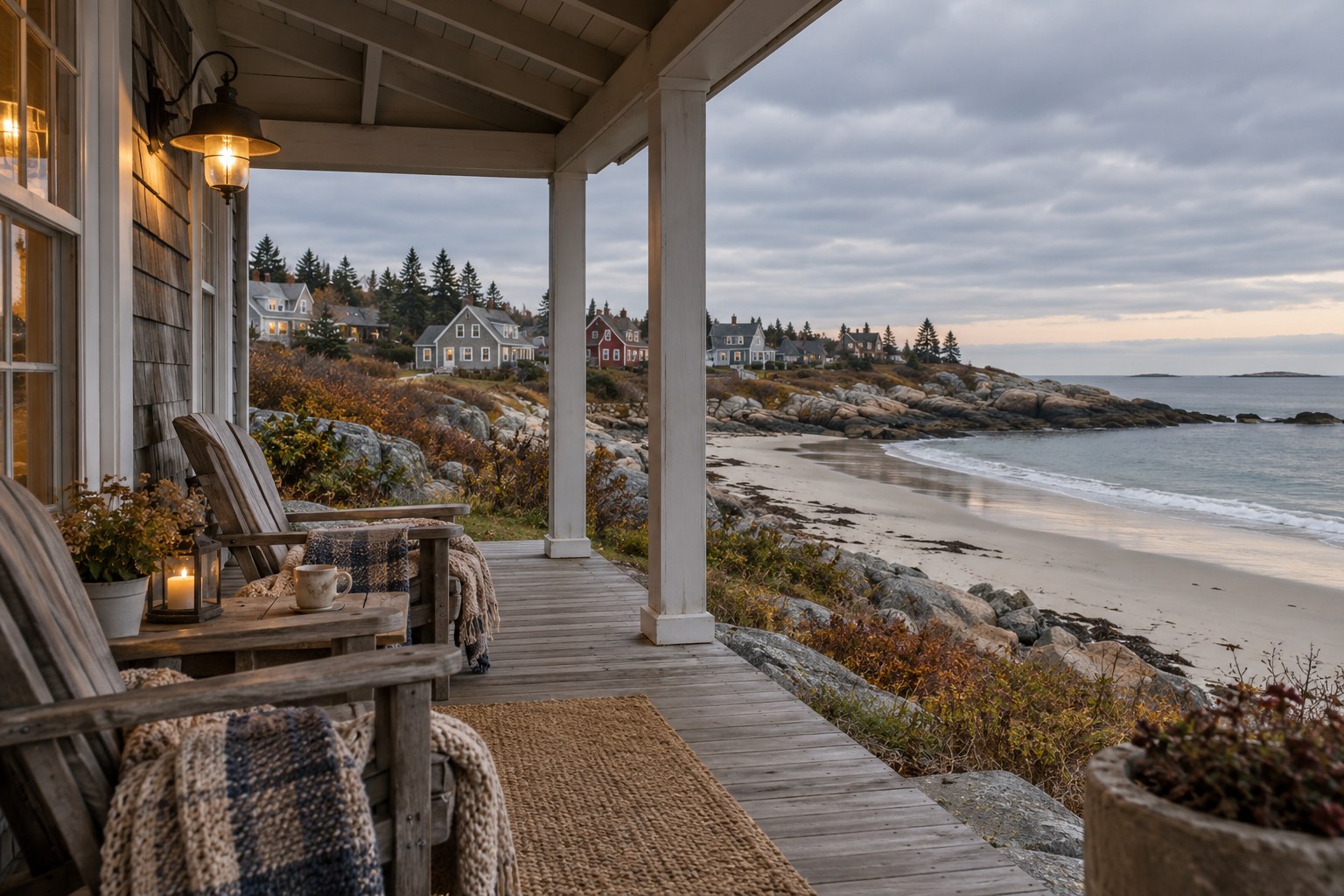
Use a simple daily pattern: a predictable start, one main activity, a quiet interval, and an optional evening choice. Keep travel between activities short and avoid placing two loud or crowded settings back to back. Make meals part of the plan because hunger and fatigue can make otherwise manageable noise harder to handle. If the weather or crowd level changes, replace the activity with a lower-energy option. The point is not to schedule every hour; it is to give the day a shape that allows recovery before you are overwhelmed.
When traveling with others, explain the pace before the trip and agree that people can split up for part of a day. Choose a clear meeting time and place, and avoid making the quiet-seeking person responsible for persuading the group to slow down. If a companion wants more activity, they can take an optional outing while you use the hotel or a nearby café. Separate plans can protect relationships and help everyone enjoy the trip without pretending to have identical energy or sensory preferences.
Quick comparison questions
- Can I retreat to a predictable place without a long transfer?
- What sounds, crowds, or events happen near the lodging?
- Which facilities or activities have fixed hours or group schedules?
- Is there a low-effort option if the main outing feels like too much?
- Can I change or shorten a plan without losing the whole day?
- What is the trade-off: fewer choices, longer travel, higher cost, or less novelty?
Pick the right length and season
A quiet weekend can be easier to shape than a full week because there are fewer decisions and less pressure to fill the calendar. A longer stay may make travel days feel less rushed, but it can also require more meals, housekeeping, and energy management. Consider whether you want a single base or a gradual itinerary with one overnight transfer. If changing rooms is tiring, pay a little more to stay put. If a familiar routine helps, plan repeatable meals and a simple morning start.
Season affects both atmosphere and access. Shoulder season may mean fewer visitors and easier reservations, but reduced hours or closed services can create extra uncertainty. Peak season can offer more predictable operations while increasing noise and queues. Before booking, look at local school calendars, festivals, transit frequency, and daylight. Choose the season that fits the trade-off you are willing to make rather than assuming that “off-season” automatically means calmer or more convenient.
Make “quiet” specific
When researching, translate the word quiet into practical questions: How many rooms share a wall? Is the property beside a road or event venue? Are there loud scheduled activities? What is the easiest route to a private or outdoor space? Is the nearby restaurant likely to be crowded at dinner? Ask hosts or visitor services for details instead of relying on an adjective in a listing. Save the answers and reconfirm anything that could change with dates or seasonal operations.
A low-stimulation vacation does not need to be empty or isolated. It can include museums, beaches, gardens, cities, and group activities as long as the plan gives you a way to pause and choose your level of engagement. Start with the type of quiet that matters to you, choose the trade-offs deliberately, and leave room for the trip to change. The best itinerary is one you can enjoy at the pace you actually have.
Before booking, decide how much stimulation you want to manage at once. A quieter lodging base can make a busy attraction workable if you can return to rest without a long transfer. On a day with a ferry, train, or group outing, avoid adding a loud evening event unless you know you will have time to reset. Keep one meal or activity familiar, and make one reservation easy to cancel. These small choices preserve room for change without turning the vacation into a rigid schedule.
121