
18 Travel Plans for People Who Need Frequent Rest Stops
A day on the road can be tiring even when the destination is only a few hours away. For travelers who need frequent rest stops, the hard part is rarely finding a place to pull over; it is deciding where to stop before discomfort, urgency, or fatigue makes the choice for you. A calmer trip comes from treating breaks as part of the route, with a realistic interval, a useful facility, and a backup if the first choice is closed or crowded.
These 18 planning ideas help you build a route around your own needs, whether you are driving with a chronic condition, traveling with a child, accompanying an older adult, managing pregnancy, or simply pacing a long day more comfortably. They are not medical advice or a promise about any particular stop. Check current facilities and opening hours, and follow your clinician’s guidance for health-related needs. The goal is a flexible plan that makes stopping easy and keeps the rest of the day adjustable.
18 ways to plan a trip with frequent rest stops
1. Set a comfortable interval, not a heroic one
Start by estimating how long you can comfortably travel between breaks on an ordinary day, then make the first driving leg shorter. A familiar 90-minute interval may become too ambitious after a poor night’s sleep, a large meal, or an unusually busy morning. If your needs vary, use a range and plan around its shorter end. The schedule should make it normal to stop early; it should never make you feel that you have failed because your body asked for a break sooner than expected.
2. Choose stops before the day begins
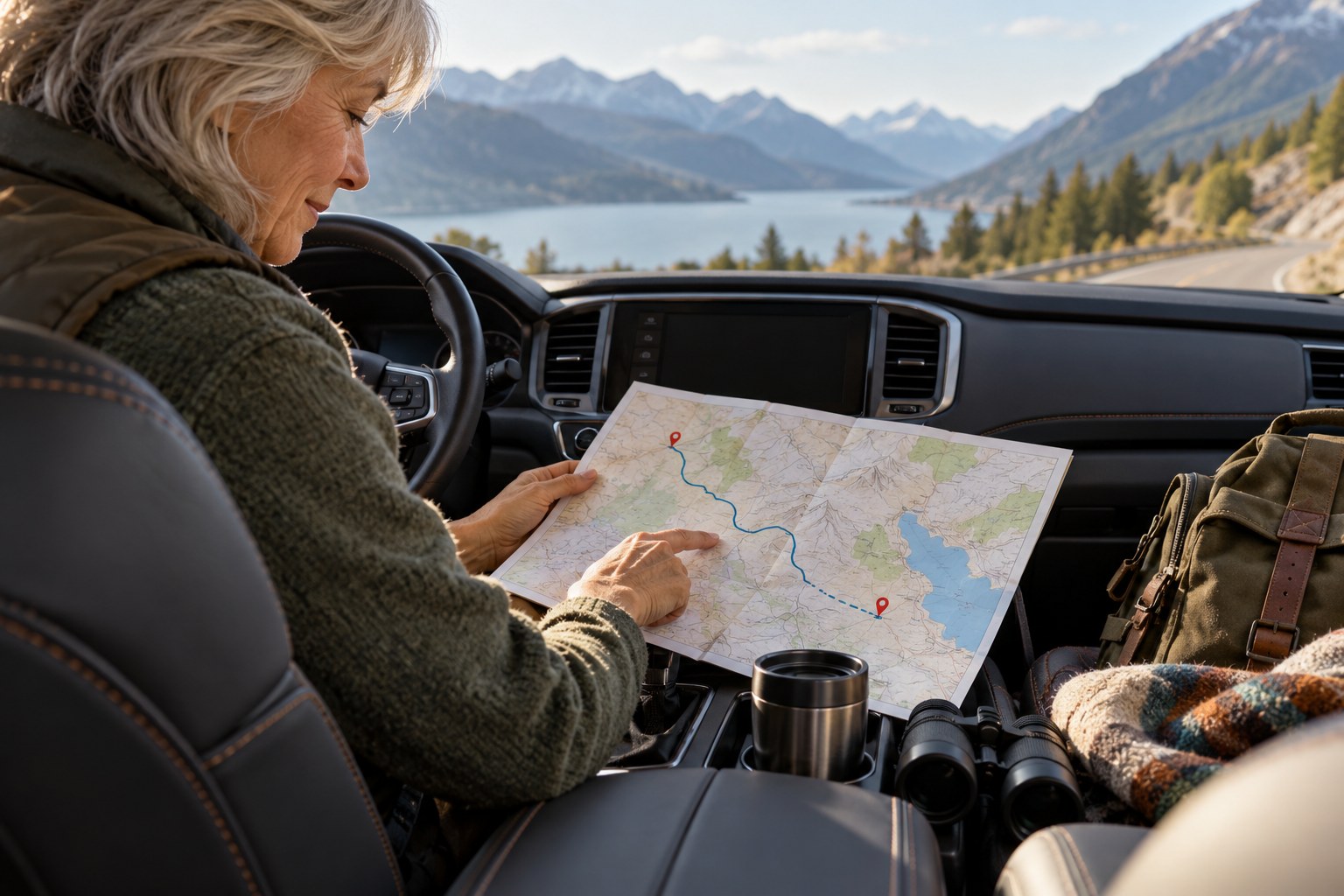
Mark likely rest points on the route before departure, using current maps and facility pages rather than relying on a single roadside sign. Note the address, operating hours, parking approach, and whether the stop is directly on the route. Save a second option nearby in case the first is closed, full, or has a long queue. A pin on a map is not enough if you cannot remember why you chose it, so add a short note such as “indoor seating, restrooms, five-minute detour.”
3. Use a three-part stop test
A useful stop balances three things: the facility you need, how easy it is to reach, and how much extra time it adds. A large travel plaza may offer many services but require a long walk from the parking area. A small town library may be quiet and comfortable but close earlier than expected. Give each candidate a quick score from one to three for access, facilities, and detour. When two stops are similar, choose the one with the simplest entrance and easiest return to the road.
4. Match the stop to the kind of break
Not every pause needs the same setting. A short bathroom stop, a meal, a medication routine, a stretch, and a quiet reset have different requirements. List the breaks most likely to matter and choose locations that suit them. For example, a fuel station may work for a quick restroom, while a park or café could be better for a longer lunch. Keep the list practical: a stop that technically has the needed facility is not useful if it is consistently crowded or requires stairs you cannot manage.
5. Look beyond the label “accessible”
When step-free access, a particular restroom layout, or room for mobility equipment matters, check the facility’s own information and call with specific questions. Ask where accessible parking is in relation to the entrance, whether the path is paved, how the restroom is reached, and whether the door or stall layout meets your needs. General accessibility labels do not describe every detail. If a staff member cannot answer, decide whether you can tolerate uncertainty or whether another stop with clearer information is the better choice.
6. Plan one indoor and one outdoor option
Weather can change which rest point feels comfortable. A shaded picnic area may be pleasant in mild weather and unusable during heat or heavy rain. For each longer leg, identify an indoor alternative such as a rest area, café, visitor center, or other public facility with confirmed hours. Likewise, keep an outdoor option for a quiet stretch when the weather is comfortable and you want space. A two-option plan avoids searching on a phone in bad weather while everyone is already tired.
7. Put the first stop closer than you think you need
The first break sets the tone. It can be tempting to leave home and push through until the “real” drive begins, but loading, traffic, and the effort of getting underway can make that first stretch harder than expected. Choose a first stop within a comfortable window and treat it as a check-in. If everyone feels well, continue after a short pause. If the morning is already tiring, you have a natural place to reset without having to reorganize the route.
8. Give meals their own time and location
A rushed meal stop can leave you feeling more depleted than before. Look for a place where you can sit, use the facilities, and eat at a pace that suits you, rather than choosing solely by proximity to the highway. Check whether food options fit dietary needs and whether the busiest hours overlap with your arrival. If eating in the vehicle is easier, identify a safe legal parking place and make sure the plan does not depend on buying food at a stop with limited choices.
9. Avoid stacking every task into one break
Combining fuel, food, medication, shopping, and a bathroom visit into one stop can save time, but it can also turn a rest into a sequence of errands. Decide what must happen now and what can wait. If a companion handles the fuel while you rest, agree on where to meet and how long the stop will last. If you travel alone, choose the order that reduces walking and repeated trips. A break should restore capacity, not become the most demanding part of the drive.
10. Build in time for queues and parking
A schedule that allocates exactly ten minutes at a popular stop assumes there is no traffic entering the lot, no wait for the restroom, and no difficulty finding a suitable parking space. Add a buffer after high-demand travel periods and around holidays. If you need an accessible stall or a quieter corner, allow extra time to find it. Keep arrival estimates flexible and avoid booking a nonrefundable activity immediately after a long drive. A relaxed margin turns an ordinary delay into a small adjustment rather than a crisis.
11. Make medication and care routines predictable
If a trip includes medication, supplies, or a care task that must happen at a particular time, plan for privacy, temperature needs, and a clean, comfortable place. Carry essentials where they remain accessible instead of buried under luggage. Confirm any storage guidance with a pharmacist or clinician before travel. Write down the time window and the preferred stop so you are not trying to remember details while driving. This is a planning reminder only; use the instructions from your healthcare professional for the actual routine.
12. Keep essentials within reach
A small day bag can hold items you may need between stops: water, a snack that suits you, tissues, wipes, charging cable, a light layer, and any personal supplies you routinely use. Pack according to your circumstances rather than following a universal list. Put the bag where the passenger can reach it without unloading the trunk, and keep medication or documents secured in the way you normally manage them. The aim is to avoid turning every short need into an emergency search through suitcases.
13. Decide how much walking is realistic
The map may show a stop beside the road, but the actual walk can include a large parking lot, sloped paths, uneven pavement, or a long queue. Use recent photos or facility descriptions to estimate the route, and ask staff about the entrance if the walk matters. When choosing between stops, a smaller facility with an easy approach can be more restorative than a larger one with more amenities. If you use a mobility aid, check where it can be brought and whether the route stays clear during busy periods.
14. Separate the driver’s rest from the passenger’s needs
A driver may need a safe break from concentration even when passengers feel ready to continue. Plan a handoff only if another driver is licensed, insured, rested, and comfortable taking the wheel. Otherwise, treat the driver’s pause as a shared stop rather than trying to shorten it. Passengers can help by choosing the next location, preparing directions, or handling a simple errand, but they cannot make an unsafe driver rested. The best route protects the person driving as well as the person who needs more frequent breaks.
15. Keep the itinerary light around the drive
If your trip requires frequent pauses, avoid scheduling a timed tour or dinner reservation immediately after arrival. Leave a flexible window to check in, unpack essentials, and recover. Choose one optional activity that can be skipped without losing the main purpose of the trip. This is especially helpful on the return day, when packing and checkout already add tasks. If an appointment or fixed event cannot move, plan a shorter route leg or an overnight stop rather than hoping that every break will be quick.
16. Prepare a backup for a missed stop
Stops can close, fill, or be affected by construction. For each important break, record a second option and the safe point at which you will switch to it. Avoid making an abrupt detour while driving; let the passenger navigate or pull over legally before changing the route. If a stop’s status is uncertain, call before departure or choose an alternative with clear current information. A backup is useful when it is simple enough to act on quickly and does not require solving a new puzzle from the roadside.
17. Make the travel party part of the plan
Explain the pace before you leave, especially when companions expect a fast, uninterrupted drive. Agree that anyone can ask for an unscheduled stop, and decide how to handle it safely. With children, use a simple next-stop marker and let them know what will happen there. With older relatives or friends with access needs, ask what would make a break useful rather than guessing. A shared plan reduces frustration because the route already includes rest instead of treating each request as a surprise.
18. Review the route on the morning of travel
Before setting out, check traffic, weather, facility hours, and any road closures that affect the chosen stops. Confirm that the map still points to the correct entrance and that the stop remains open. Charge the phone and save directions offline if service may be unreliable. Review only the next leg while underway; a passenger can manage later adjustments. A quick morning check can catch changed hours or road work, but it should not become a reason to keep refreshing maps while driving.
A practical way to map each leg

Write down the start, the first planned break, the next likely stop, and the destination. For each break, record the expected drive time, the facility you need, the detour, and a backup. Then estimate the total travel day with realistic time for parking and settling. If the estimate looks too long, divide the route with an overnight stay or remove a nonessential stop on the destination end. This simple route card is easier to use than a dense itinerary with every minute accounted for.
A sample leg might read: “Home to riverside service area, about 65 minutes; restroom and short walk; backup is the town visitor center, if open.” The next leg can be planned after that stop. The exact times will change with traffic, so use them as reminders rather than promises. The practical advantage is that the next decision has already been made while you had time to compare options.
A short checklist before departure

- Comfortable interval and first stop chosen.
- One backup option for each important break.
- Facility details checked for the needs that matter.
- Food, water, personal supplies, and medications packed according to your own plan.
- Arrival schedule left flexible enough for delays.
- Travel companions know how to ask for a safe stop.
- Current traffic, weather, and opening hours reviewed.
When to shorten the day
Sometimes the useful adjustment is not another clever stop but a shorter drive. If a route requires more energy than you have, if a key facility is unavailable, or if your condition changes, reconsider the plan. Stop in a safe place, contact your travel companion or service provider as appropriate, and use professional guidance for health concerns. A motel, later arrival, or changed activity may cost money or time, but those trade-offs can be preferable to pressing on through a day that no longer feels manageable.
The most supportive road-trip plan gives you choices at the moment you need them: a comfortable interval, a stop with the right facilities, and a backup that is easy to reach. Build the route around actual needs, not a target arrival time, and let each break reset the next leg. A trip with more pauses can still be a good trip when the day has room to breathe.
121