
15 Road-Trip Itineraries for Short Driving Days
A road trip does not have to mean six hours behind the wheel every day. For many travelers, the better vacation is a string of short drives with enough time to walk, eat, rest, and change plans without losing the whole afternoon. The trick is choosing the overnight stops first. When lodging is placed well, a day can feel full without requiring a long transfer between attractions.
These fifteen itineraries are designed as route shapes, not rigid schedules. Most rely on a single base or two nearby overnight towns so you can leave room for weather, mobility needs, children’s breaks, and the simple pleasure of staying longer than expected. Check current opening days and road conditions before travel, and compare actual drive times at the time of day you expect to go. A 40-mile route across a mountain pass or through a crowded resort town may take longer than a much longer highway segment.
A short-drive rule that still leaves room for discovery
Choose your daily driving cap based on what you want after you park. If the goal is a museum visit and dinner, a couple of short hops may be enough. If you want a trail, beach, or scenic overlook, keep the transfer to one main leg and avoid moving hotels that evening. A useful planning test is: Would I still enjoy this day if the first stop took twice as long as I expect? If the answer is no, remove a stop or split the route into another night.
Use a flexible schedule with one anchor and one optional stop. The anchor is the experience you would regret missing; the optional stop is a bonus if parking, weather, and energy cooperate. This structure avoids the common itinerary problem where a late lunch makes the rest of the day feel like failure. It also helps groups with different walking speeds or nap schedules stay together without rushing.
Fifteen ideas for easy-paced road trips
1. Portland to one Midcoast Maine harbor
Drive from Portland to a single Midcoast base such as Bath or Belfast, then use the next day for a harbor walk and one nearby lighthouse or museum. Keep the coastal detour for the day you have more time and return inland if the shoreline traffic grows. This works for travelers who want Maine scenery but do not want to unpack every night. It is also easy to shorten: choose the closer overnight and save the northern stretch for another visit.
2. Boston to Salem with a two-night stay
Take the short transfer to Salem, then spend a full day walking among the historic district, waterfront, and museums. The plan feels much less rushed when you are not trying to drive back to Boston after dinner. Use transit or walk for local movement where it fits rather than adding a car trip for every attraction. Seasonal crowds and event dates can change the experience, so book timed entries and lodging early for peak weekends.
3. New York City to the Hudson Valley by train and car
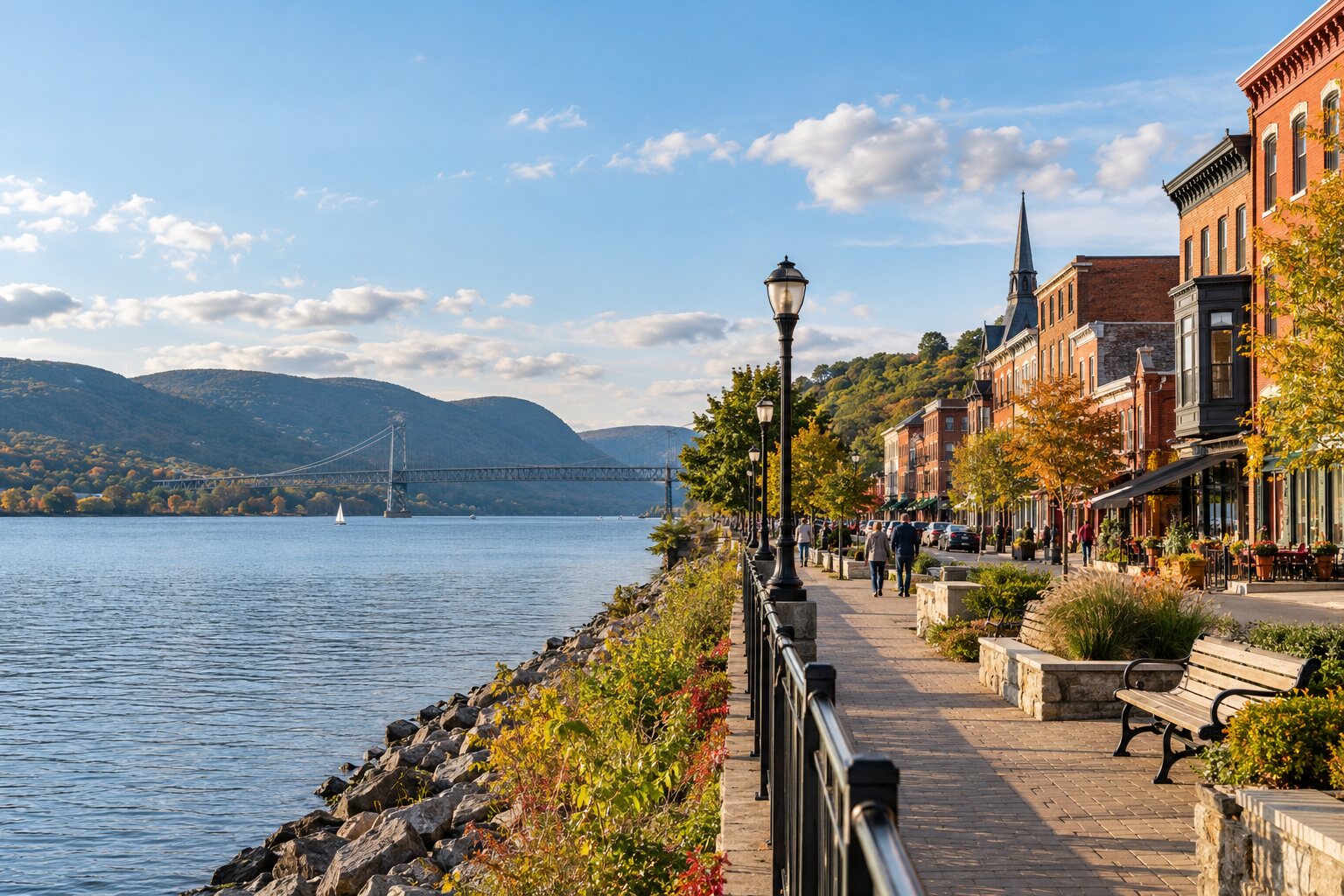
Let the train handle the first leg to a Hudson River town, then rent a car locally only if your chosen stops require it. A two-night base around Beacon, Poughkeepsie, or Hudson gives you time for one river walk, one historic stop, and a relaxed meal. Choose the town based on transit access and lodging, not just the most photogenic map pin. This hybrid itinerary reduces city driving and keeps the driving days short once you leave the metro area.
4. Philadelphia to Lancaster County with one base
Drive to a central Lancaster County base, then choose one small-town or farm-market outing per day. The short local drives leave room for museums, food stops, and a scenic back road without turning the visit into a route race. Respect private property and local traffic, and use public attractions rather than stopping along roads for photographs. This is a flexible choice for families who want country scenery while retaining comfortable dining and lodging options.
5. Washington, D.C., to Shenandoah’s lower gateway towns
Move from the city to a gateway town near the section of Shenandoah National Park you plan to visit, then keep the park day local. A shorter drive to lodging the night before means you can start early for overlooks and a short trail without crossing the metro area at dawn. Skyline Drive is slow by design and can close in poor conditions, so treat it as the day’s main activity rather than a quick detour between other stops. Check current park conditions before you commit.
6. Charleston to a nearby Lowcountry island
Stay in Charleston and reserve one day for a short drive to a nearby island or nature area. Spend the morning outdoors, then return with enough time for a slow evening in the city. Choose a single island stop so you are not zigzagging between beach access, a plantation site, and a restaurant across the region. Check parking, heat, and opening hours before you go. This simple city-plus-coast format suits travelers who prefer a stable hotel and varied day plans.
7. Savannah to Tybee Island with a late-start backup
Use Savannah as the base and make Tybee a single beach or lighthouse day rather than moving to the island for one night. Leave early on busy days and keep an inland lunch option in mind if the beach is crowded or weather turns. The drive is short enough that you can adapt the start time, but not so predictable that you should ignore peak traffic. Travelers who dislike sand can replace the beach with a lighthouse or wildlife-focused visit, subject to current hours.
8. Asheville to one Blue Ridge Parkway section
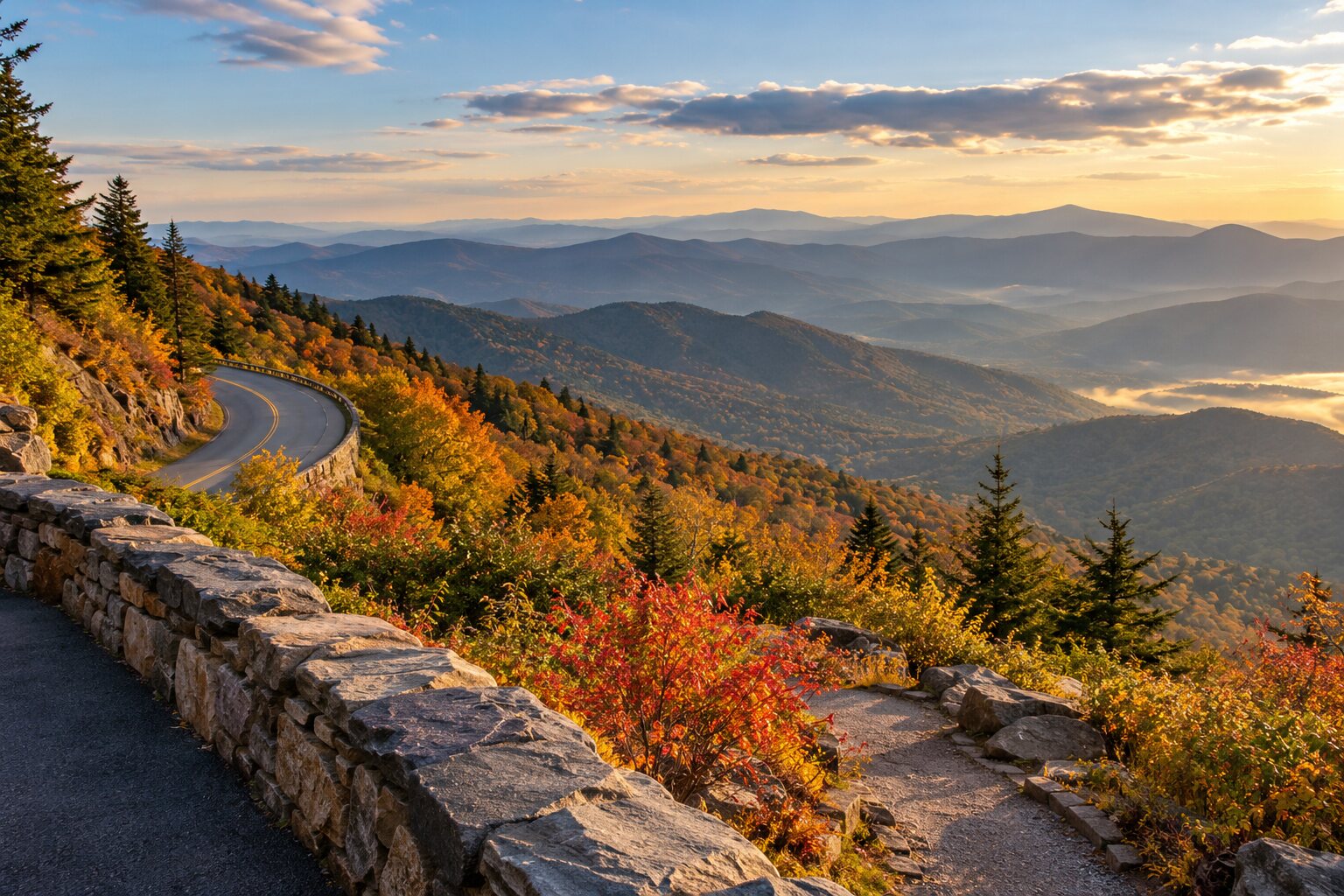
Stay in Asheville and devote a half-day to one confirmed-open section of the Blue Ridge Parkway. Choose an overlook, a short walk, and a town meal rather than planning to cover a long stretch. The Parkway’s pace is slow and closures can be seasonal or weather-related. A city base provides an easy rainy-day alternative and avoids moving lodging when the mountain forecast is uncertain. This route fits travelers who want mountain scenery with a comfortable indoor fallback.
9. New Orleans to the Mississippi River road corridor
Choose a short day trip from New Orleans to one river-parish historic site or museum, then return to the city for dinner. Keep the itinerary focused on one destination and one stop along the way; historic sites can take longer than their map distance suggests. Check tours and admission schedules directly. This is more enjoyable as a single, low-mileage excursion than as a broad attempt to cover every plantation, town, and river overlook in one day.
10. Chicago to a Lake Michigan beach town
Travel to one beach town and stay long enough to enjoy the lake at more than one time of day. A two-night base means you can walk the shoreline in the morning, take a break, and choose a second outing in the afternoon. In summer, plan around parking and the return traffic rather than assuming a quick drive home. Off-season visitors can swap swimming for lighthouse viewing, a harbor walk, or a warm café stop.
11. Milwaukee to one Door County base
Make the longer transfer on arrival day, then keep the next two days local to one Door County village or peninsula section. Pick one lighthouse, one state park or beach, and one food stop each day. This prevents a common mistake: sleeping in one town but driving to the far end of the peninsula and back for every activity. If your trip is only a weekend, choose either the bay side or Lake Michigan side as the focus and leave the other for later.
12. Denver to one Rocky Mountain National Park gateway
Drive to Estes Park or another chosen gateway and stay there before visiting Rocky Mountain National Park. This turns the park day into a short local drive rather than a long round trip from Denver. Check timed-entry requirements, road status, and elevation-related advisories before travel. Choose one accessible viewpoint or trail and keep the rest of the day open. Travelers who are not acclimated to altitude should avoid turning a short visit into a strenuous hike simply to make the day feel worthwhile.
13. Las Vegas to one Zion gateway, with an overnight on both ends
Break the journey by staying near Zion before and after your park day if you want a truly relaxed pace. Use the transfer day for the drive and one meal stop, then make the next day about the park shuttle, one short walk, and a slower evening. Check current access, shuttle schedules, and heat conditions. A same-day out-and-back from Las Vegas compresses the park experience and leaves little room for a closure or full trailhead. One extra night often buys more comfort than adding several new stops.
14. Santa Fe to Taos with one scenic stop
Use Santa Fe and Taos as separate overnight anchors and make the drive between them an unhurried travel day. Choose one scenic or cultural stop on the way, not a string of detours. The route is rewarding when you have time to appreciate the high-desert landscape and small towns. Check opening days for museums and cultural sites, and follow local photography and access rules. This works especially well for travelers who care more about place and food than about covering the greatest distance.
15. Portland to one Columbia River Gorge waterfall area
Stay in Portland and choose one section of the Columbia River Gorge for a day trip. Pick a waterfall or viewpoint that matches your group’s walking ability, then check permits, trail status, and parking rules before departure. The area can be crowded, and roadside stopping is not safe where prohibited. A short hike and one town stop are enough for a full day. If trail access is limited, choose a designated viewpoint rather than trying to find an informal roadside alternative.
Choose the right number of overnight bases
One base is usually best when most of the stops sit within a comfortable radius and lodging is available in the place you want to explore. Two bases can help when the region is long or a park entrance is far from the city. More moves are worthwhile only when they remove a substantial drive or give you an experience you cannot reach from the current location. Account for check-in time, packing, parking, and the energy cost of changing rooms—not just the minutes saved on a map.
| Trip length | Starting structure | Best for |
|---|---|---|
| 2 nights | One base, one main outing per day | Weekend escapes and first visits |
| 3–4 nights | One base or two nearby bases | City plus coast, or gateway plus park |
| 5–7 nights | Two bases with one travel day | Large regions with meaningful distance between clusters |
The winning itinerary is the one that leaves enough time for the reason you chose the destination. Before booking, circle the one experience you would be disappointed to miss. Everything else is optional. If the drive feels too long, remove a stop, add a night, or choose a closer base. Short driving days are not a compromise; they are a way to make the vacation feel like a vacation while you are still on it.
Set a daily driving ceiling before choosing stops
Choose a realistic maximum behind-the-wheel time that reflects your group, not an idealized map. A couple comfortable with long highway stretches may be happy with a different day than a family managing naps, frequent breaks, and a child seat. Then add time for fuel, meals, traffic, restroom stops, and the inevitable delay. If a route estimate says two hours, avoid treating that as two hours from hotel door to hotel door. A generous buffer protects the walks and meals that make a short-driving itinerary worthwhile.
Build the day around one anchor activity and one optional stop. If the anchor is a guided tour or a timed museum entry, keep the driving leg before it short and arrive early. If the anchor is a scenic walk, allow a weather window and a nearby indoor alternative. Do not schedule several separate reservations across a region just because each one looks worthwhile on its own. The combined transit and check-in time can leave everyone feeling rushed, even when the wheel time seems reasonable.
For trips with multiple nights, compare the cost of changing hotels against the time saved by moving bases. A second base can make sense when it removes repeated backtracking, but it adds packing, check-out, and check-in friction. Ask whether the new lodging opens up a meaningfully different day or simply shifts the same drive to another morning. If you are traveling with mobility needs, young children, or a traveler who benefits from routine, staying put may be the more valuable choice even when it creates a slightly longer day trip.
Sources
- https://www.nps.gov/shen/planyourvisit/conditions.htm
- https://www.nps.gov/blri/planyourvisit/roadclosures.htm
- https://www.nps.gov/romo/planyourvisit/conditions.htm
- https://www.nps.gov/zion/planyourvisit/conditions.htm
- https://www.fs.usda.gov/crgnsa
- https://www.amtrak.com/routes