
12 U.S. National Parks for First-Time Visitors, Matched to Your Travel Style
Your first national park trip does not have to begin with the most famous view in America—or a week of strenuous hikes. The better first question is simpler: what kind of day do you actually want? A scenic drive with frequent stops, a quiet beach walk, a wildlife morning, or a trail that leaves your legs tired can all make a memorable first visit. They also point to very different parks.
The list below is a matchmaker, not a ranking. It considers the shape of a visit: how much driving or walking is involved, whether a park is easy to experience in short sections, and what kind of planning friction can surprise a newcomer. A park that suits your pace is usually a better first park than one selected only because its photo is famous.
Before booking, check the official park website for current road, trail, facility, entry, and reservation information. Those details can change by season and year. Use the guide to narrow your shortlist, then confirm the practical details for your dates.
Start with the kind of day you want
National parks are not interchangeable outdoor playgrounds. Some are best approached by vehicle, others by shuttle, boat, or trail. Some reward a short visit with a strong first impression; others make more sense when you can slow down for two or three days. Decide what “a good day” means for your group before you compare scenery.
Ask these three questions:
- How much walking feels enjoyable? Be honest about the person with the shortest comfortable walking distance. A trip can still be scenic without a long hike, but you need to choose the right viewpoints, paths, and transport options.
- Do you want to drive, or would you rather park once? A scenic road can be the attraction, but traffic and parking can change the day. A shuttle can simplify movement while adding waiting and schedule constraints.
- How much uncertainty can you tolerate? Weather, wildlife, seasonal closures, timed entry, and crowded trailheads are part of park travel. If you want a low-friction introduction, choose a place with several ways to spend a half-day rather than one single must-do activity.
The table gives you a first filter. “Best for” means the park may suit that preference; it is not a guarantee of easy conditions or an endorsement of a particular trail. Always check current alerts and accessibility details before setting expectations.
| Park | A good first-trip match | What to think through |
|---|---|---|
| Acadia | Coastline, short stops, scenic driving | Summer congestion and seasonal road access |
| Grand Canyon | A dramatic view without a long hike | Rim distances, heat, and elevation changes |
| Indiana Dunes | Beaches and varied short outings | Beach conditions, changing weather, and separate access points |
| Great Smoky Mountains | Forest scenery and flexible day trips | Busy roads, variable visibility, and dispersed destinations |
| Yosemite | Iconic valley scenery and varied walks | Demand, parking, and current entry rules |
| Rocky Mountain | Alpine scenery and wildlife watching | Altitude, weather, road access, and timed-entry rules |
| Yellowstone | Geothermal features and a driving circuit | Long distances, traffic, and wildlife-safe behavior |
| Everglades | Wetlands, birds, and water-based perspectives | Heat, insects, seasonal conditions, and distance between areas |
| Zion | Towering canyon walls and a shuttle-based visit | Shuttle operations, heat, water, and trail suitability |
| Cuyahoga Valley | A gentler park introduction near a metro area | Attractions are spread out; plan the day around one corridor |
| Bryce Canyon | A compact set of striking viewpoints | High elevation, weather, and steep sections on some trails |
| Olympic | Rainforest, coast, and mountain settings | Long drives between distinct areas and variable weather |
The best national parks for a first visit, by travel style
1. Acadia National Park: for a coastal day with several ways to explore
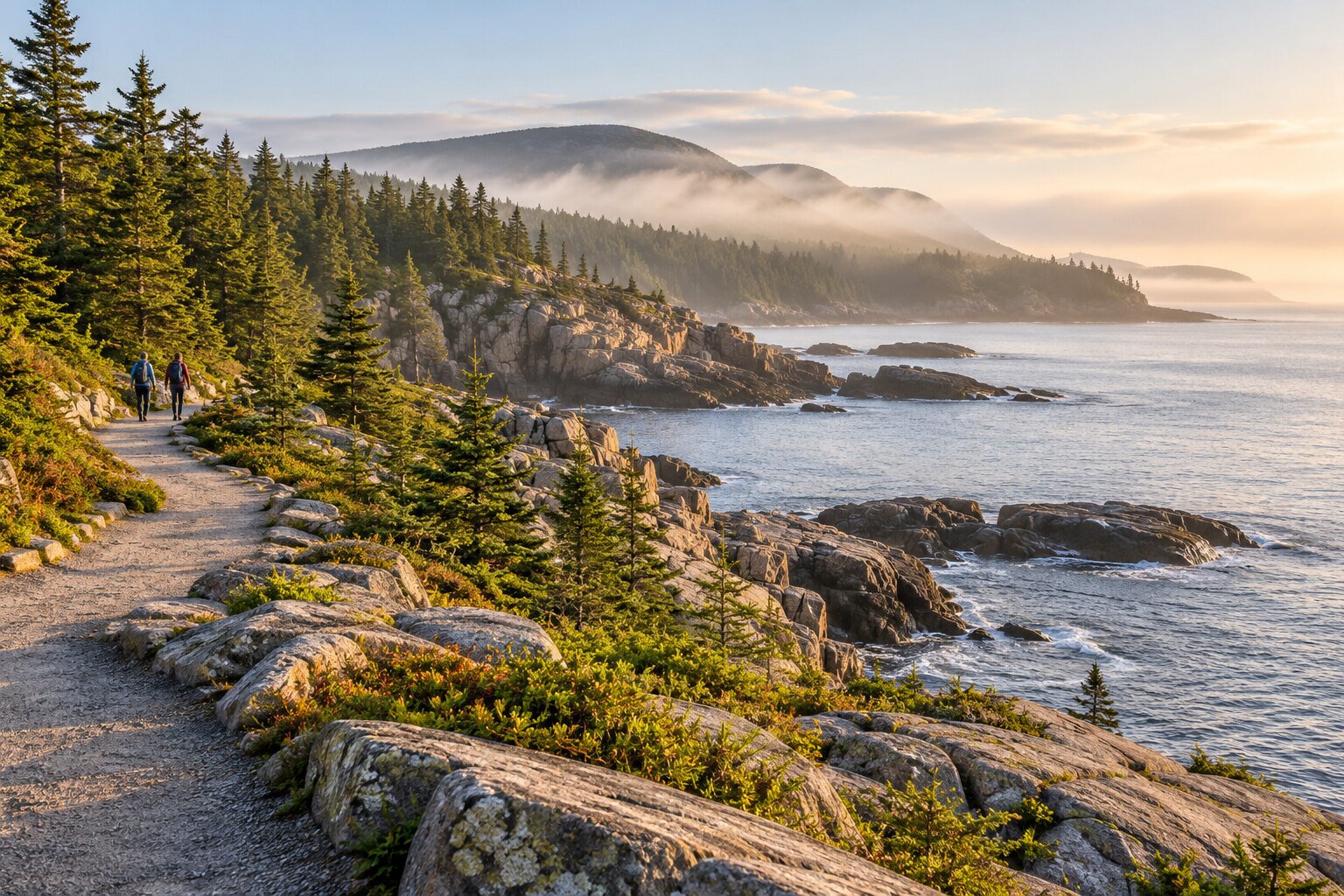
Acadia suits travelers who want a mix rather than a single long outing. On Mount Desert Island, the Park Loop Road connects several well-known areas, and the park’s carriage roads offer a separate, motor-free way to walk or ride through the landscape. That gives a first-time visitor options: spend a day moving between overlooks and shoreline stops, or slow down on a quieter path.
The tradeoff is that this flexibility attracts visitors. The National Park Service warns that the Park Loop Road can be very crowded in spring, summer, and fall, with congestion especially acute in July and August. A first visit goes more smoothly if you choose a short list of stops, have a backup, and avoid treating every viewpoint as mandatory. Seasonal bus service may help reduce driving in the busy months; verify dates and routes before relying on it.
2. Grand Canyon National Park: for the view-first visitor
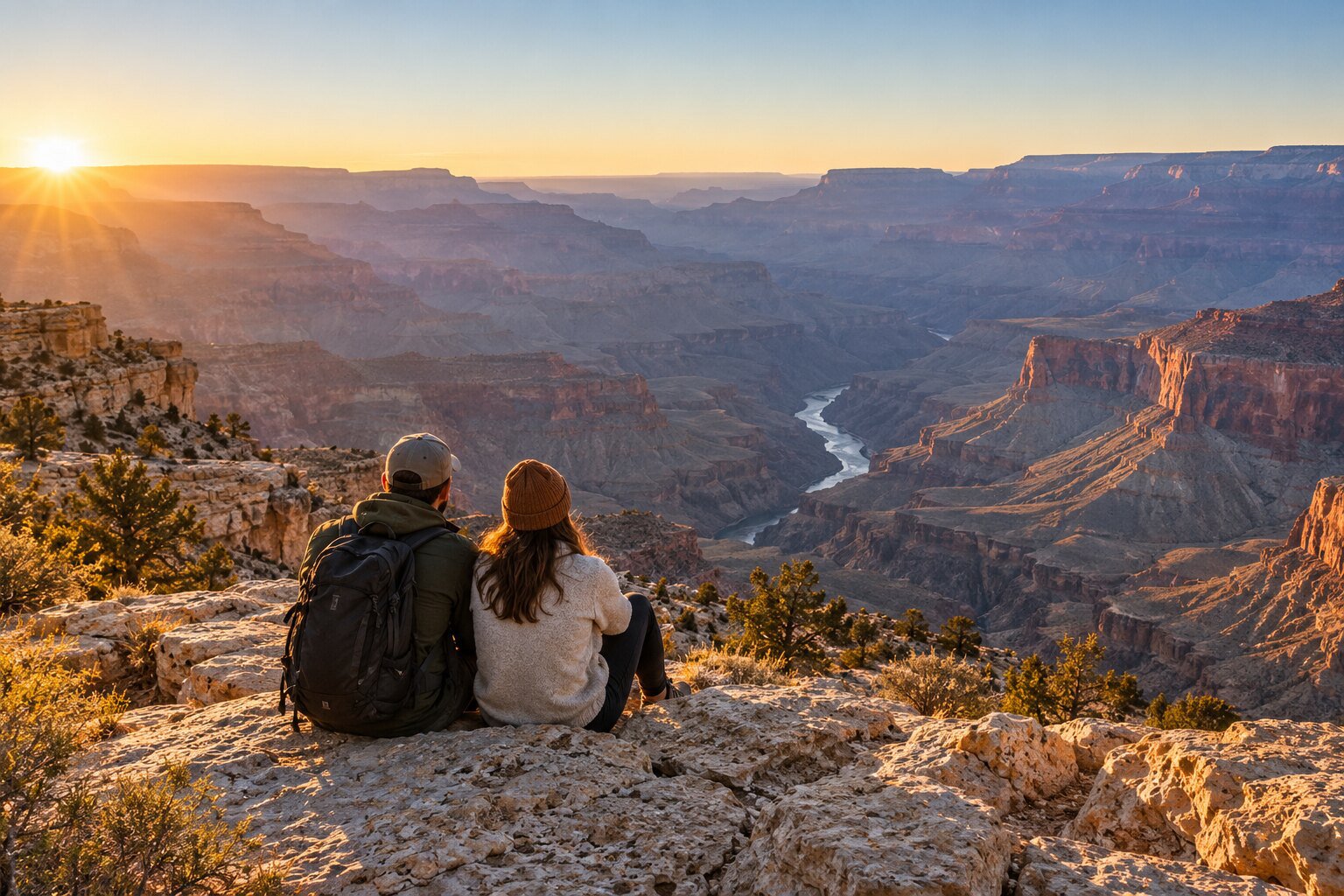
The Grand Canyon can make a first visit feel complete even if you never hike below the rim. That is an important distinction: the scale is the experience, and you can build a satisfying day around viewpoints, the visitor area, and a short rim walk. People sometimes assume they must descend into the canyon to “really” see it. For a first trip, the rim may be the more sensible choice, especially if your schedule, mobility, heat tolerance, or hiking experience is limited.
The South Rim has more year-round visitor services than the North Rim, but “more accessible” does not mean effortless. Viewpoints are not all next to one another, the rim itself is high above sea level, and temperatures can be severe in warmer months. A small map-based plan beats an ambitious list. Pick one stretch of the rim, identify the easiest way to get between stops for your dates, and leave time to sit and look.
3. Indiana Dunes National Park: for a beach-and-trail first trip
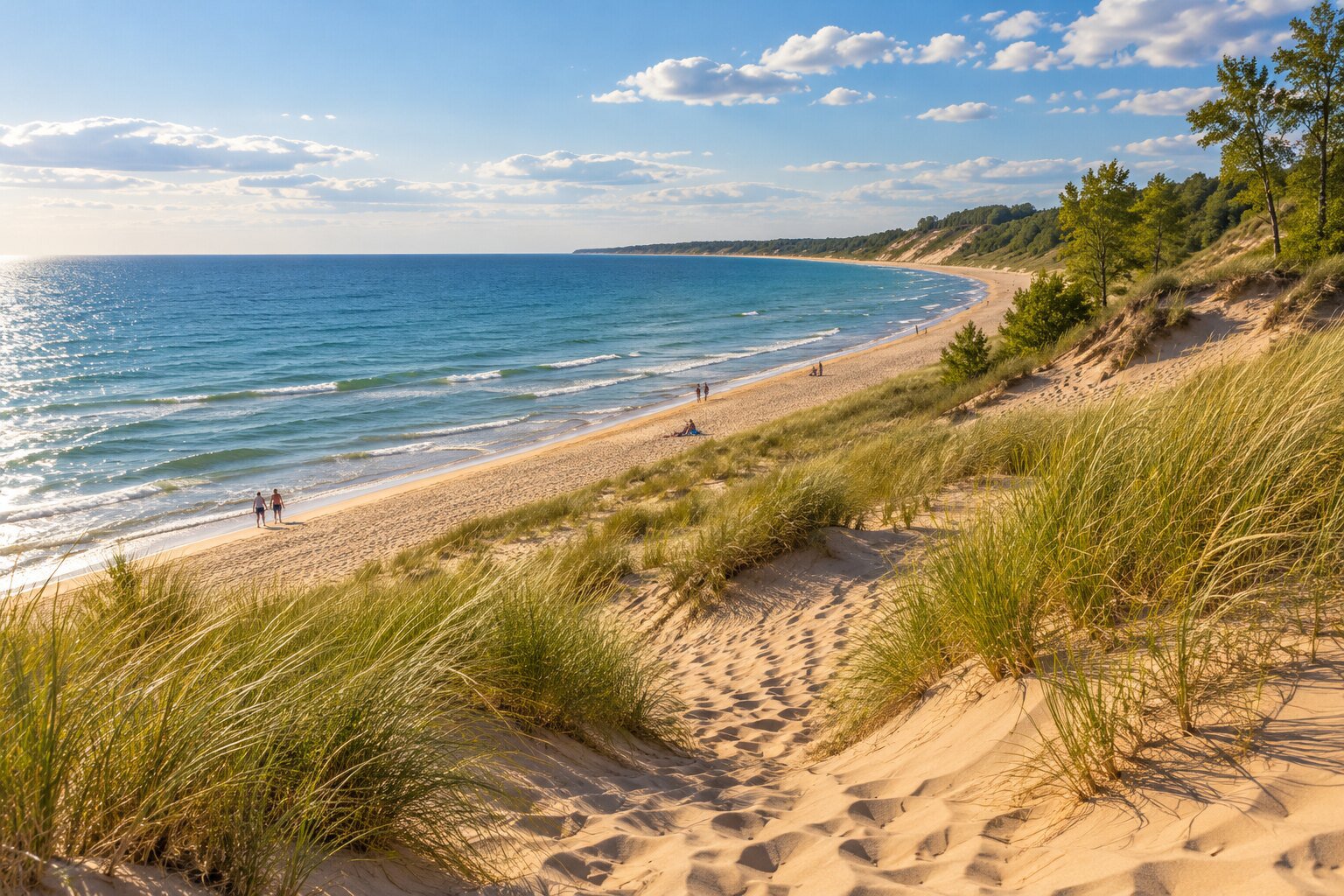
Indiana Dunes is a useful reminder that a national park need not be a far-flung mountain destination. The park stretches along Lake Michigan and includes beaches, dunes, forests, wetlands, and many trail systems. A first visit can be as simple as a beach stop and a short walk, or it can become a more active day moving among different habitats.
This variety also means you should not assume that one address or parking lot represents the whole park. Decide whether you want a beach, a dune hike, birding, or a mixture, then choose the relevant area and check conditions. Shore weather can shift quickly, and the park specifically advises visitors to pay attention to beach weather and use caution. Bring a backup plan that does not depend on swimming or ideal beach conditions.
4. Great Smoky Mountains National Park: for forest scenery and a flexible road trip
The Smokies are a good match for travelers who like to build a day around scenic drives, overlooks, historic areas, and short walks rather than one headline attraction. The park has multiple access points and a broad landscape, which makes it easy to tailor a visit—but it also means that “near the park” does not tell you how long a drive will take between two places.
Fog, rain, and changing visibility are part of the mountain setting. That can be atmospheric, but it may also soften long-range views. Avoid planning the whole trip around a single overlook or a wildlife sighting. Choose a primary area for each day, make one alternate plan for poor weather, and treat animal sightings as a bonus rather than a schedule item. Roads and popular areas can be crowded, so an early start or a weekday visit may make the day calmer when your dates allow it.
5. Yosemite National Park: for the classic valley experience
Yosemite Valley is a natural first stop for visitors who want an instantly legible landscape: waterfalls, cliffs, meadow, river, and several memorable viewpoints in one area. It is also easy to underestimate. A short-looking distance on a map can take longer in a busy season because parking, traffic, and shuttle movement become part of the visit.
For a first trip, resist the urge to combine the Valley with a distant high-country drive on the same day. Keep the first day local: choose a few stops, walk a section of the valley, and leave room for lunch, weather, and parking. Then check the park’s current entry and reservation pages before you set the date. Reservation systems vary across years, and an old blog post can be out of date.
6. Rocky Mountain National Park: for alpine views and a careful first altitude trip
Rocky Mountain National Park fits travelers who dream of high-country scenery, mountain lakes, and wildlife. It can also be more physically demanding than its roadside viewpoints first suggest. Altitude affects people differently, weather changes quickly, and a trail that looks short may still be tiring if it climbs or begins at a high elevation.
Make your first day conservative. Spend time adjusting to the elevation, carry layers, check road conditions, and avoid stacking a long hike after a long drive. Entry logistics matter too: for 2026, the park’s official timed-entry page describes separate reservation options for Bear Lake Road and other park areas during specified hours. The details are date-specific, so confirm the current system rather than relying on a generic itinerary.
7. Yellowstone National Park: for geothermal features and a road-trip mindset
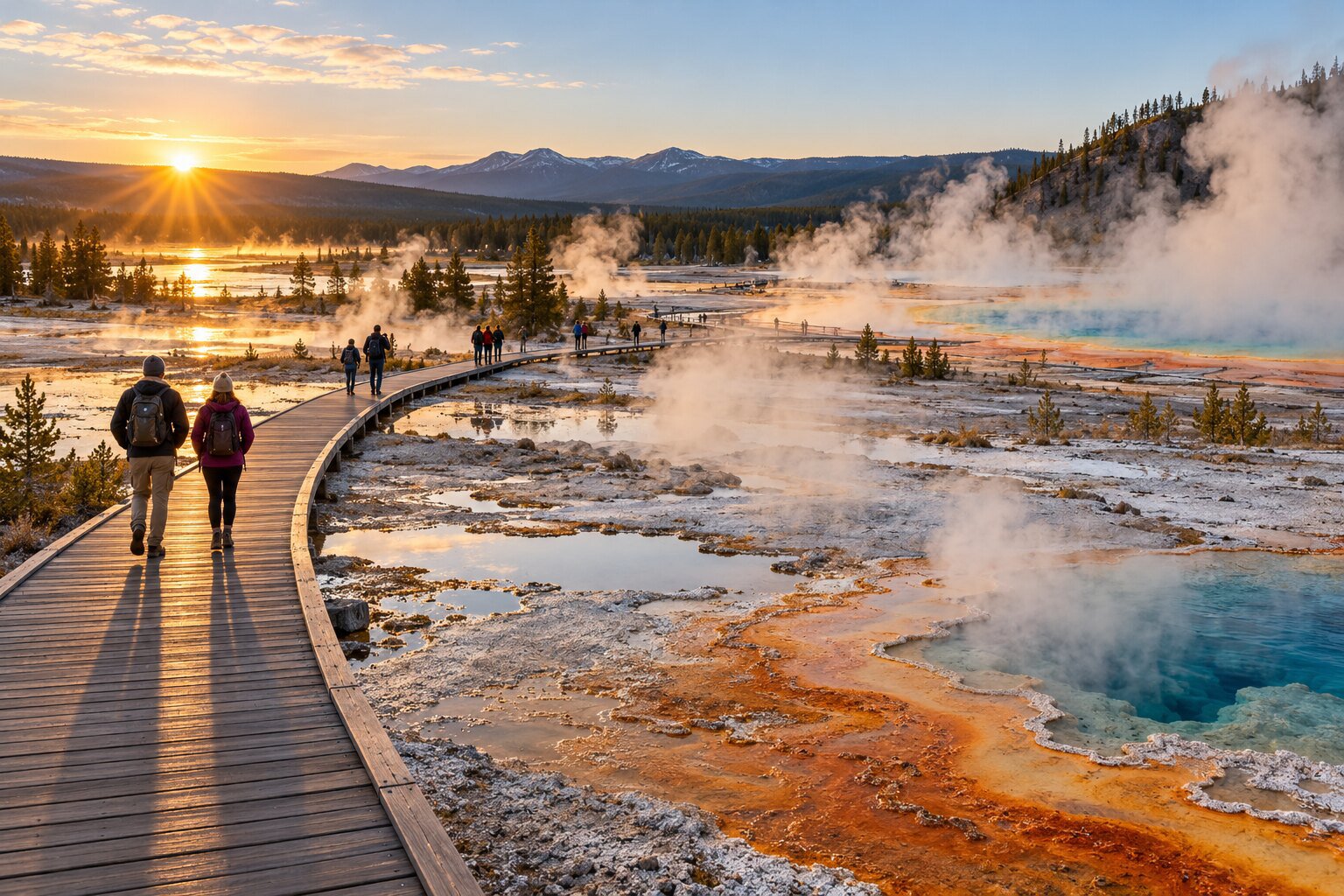
Yellowstone is rewarding for travelers who like a driving day with multiple stops. Boardwalks and developed areas let visitors experience geysers, hot springs, and other geothermal features without committing to a strenuous hike. The key first-time lesson is distance: the park is enormous, and driving between the places you recognize from photos can consume much of a day.
8. Everglades National Park: for birdlife, wetlands, and a different kind of nature trip
The Everglades is a strong first park for someone who wants to see a living wetland rather than a mountain skyline. Depending on the area and season, visitors can explore by road, on foot, or on the water, and wildlife watching can be a central part of the day. It rewards looking slowly: a quiet stretch of water, birds in the shallows, or the texture of the sawgrass may matter more than a single iconic overlook.
Heat, sun, insects, and the distance between visitor areas can shape the experience. Do not plan a noon walk as if it were a cool forest trail; check weather and current conditions, carry water, and identify the facilities you will need. If you are short on time, pick one entrance area and its nearby activities rather than driving across the park in search of every highlight.
9. Zion National Park: for a striking canyon with a transit-first mindset
Zion’s main canyon can feel immediately dramatic, and a shuttle system often shapes how visitors move through it. That can make the park easier to approach without driving from stop to stop, but it also means your day depends on current service, queues, and the trail or canyon area you choose. Verify the current shuttle season, operating hours, and alerts before you go.
First-time visitors should not confuse popularity with suitability. Some well-known routes involve exposure, water, heat, or conditions that are not right for every traveler. Pick a walk that fits the least experienced member of your party, and make the decision based on current official trail information rather than a photo or an old social post. In hot months, time of day and shade matter.
10. Cuyahoga Valley National Park: for a lower-pressure introduction near a city
Cuyahoga Valley is a smart choice for travelers who want a national park experience without building a whole vacation around remote wilderness. The park sits between Cleveland and Akron and offers a mix of trails, scenic sites, and cultural features. Its closeness to urban areas makes it easier to combine with other plans, and it can work well for a first visit when you have a day rather than a week.
Because the park is spread across a corridor, it helps to choose one part of the day’s experience in advance. A visitor who tries to combine every waterfall, trail, and historic stop may spend more time driving than enjoying the park. Pick a central activity, then add one nearby stop if energy and conditions allow. Check current parking, trail, and attraction details for the specific places you want to visit.
11. Bryce Canyon National Park: for a compact visual payoff and short viewpoint stops
Bryce Canyon’s amphitheater of hoodoos gives first-time visitors an immediate sense of place. The rim viewpoints provide strong scenery without requiring a long hike, while trails descend into the formations for a closer look. That makes it possible to choose a low-effort introduction or a more active outing, depending on the group.
The elevation and weather deserve respect. Temperatures may feel different than expected, and any hike that descends into the canyon also means climbing back out. Decide on the return effort before heading down, carry water, and check current trail conditions. If someone in your group is unsure about the hike, the rim can still make a rewarding visit; you do not need to force the most strenuous version to justify the trip.
12. Olympic National Park: for travelers who want several ecosystems in one trip
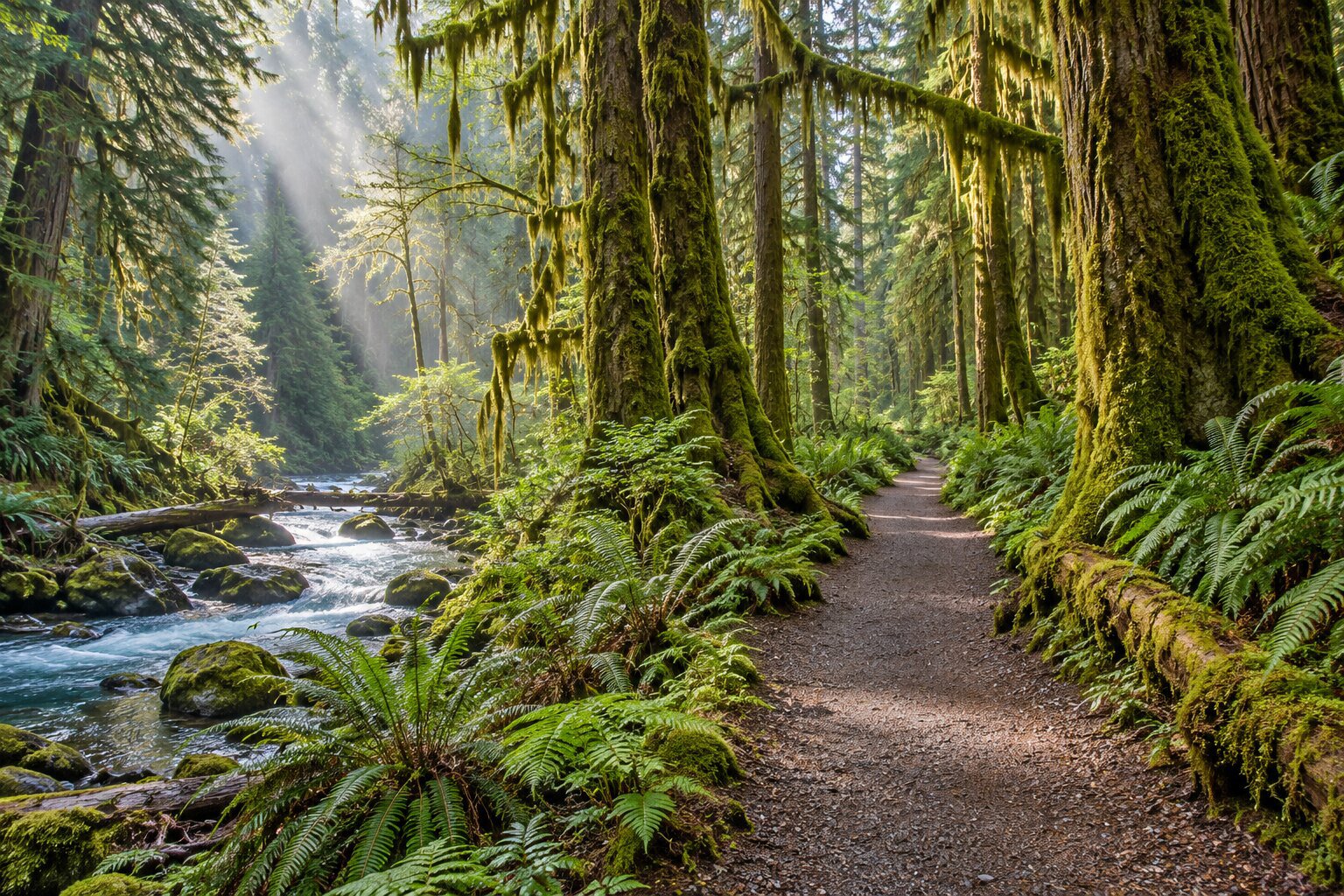
Olympic offers an unusual first-park proposition: rainforest, mountains, and coast within one large park. That variety is a major appeal, but it is not a compact loop. The different areas require real driving time, and coastal conditions and mountain access can vary with weather and season.
The best way to plan Olympic is to treat its regions as separate day choices. Pick a base that suits the area you want to explore, then choose one or two nearby experiences. Do not assume that a map’s straight-line distance means a quick transfer between places. For a short trip, it is often more satisfying to explore one or two regions well than to collect a photo in each.
Make your first visit feel manageable
Resist the urge to see everything. A first visit becomes stressful when every recommendation is treated like a requirement or when the plan depends on one wildlife sighting, a perfect sunrise, and several busy parking lots all working on schedule. The best first park is the one whose ordinary logistics you can enjoy. Your trip should leave you curious about the next one.
Sources
https://www.nps.gov/planyourvisit/index.htm
https://www.nps.gov/planyourvisit/travel-tips.htm
https://www.nps.gov/acad/planyourvisit/park-loop-road.htm
https://www.nps.gov/acad/planyourvisit/carriage-roads.htm
https://www.nps.gov/indu/planyourvisit/basicinfo.htm
https://home.nps.gov/romo/planyourvisit/timed-entry-permit-system.htm
https://www.nps.gov/arch/planyourvisit/index.htm
https://www.nps.gov/orgs/1207/national-park-service-expands-access-for-summer-2026-while-maintaining-safety-at-high-visitation-parks.htm