
Best Things To Do in Waikiki, Hawaii: Beaches, Culture, Attractions & More
Waikiki packs beach days, ocean adventures, cultural moments, and lively city fun into one destination.
Key Takeaways
- Experience surfing or lessons on Waikiki Beach.
- Explore snorkeling in nearby waters.
- Visit the iconic Diamond Head.
- Enjoy free hula shows.
- Savor local poke and acai bowls.
Use this guide to plan your time, whether you’re looking for active outings, family-friendly spots, or evening eats and nightlife.
What You’ll Find Inside:
- Tips on beaches and ocean tours.
- Must-see sights and historical insights.
- Best places to shop and dine.
- Recommendations on where to stay for a smooth and fun trip.
Experience Waikiki Beach and Surroundings
Waikiki has wide sandy shores, easy swimming spots, and famous surf breaks. Relax, learn to surf or paddleboard, and catch colorful sunsets near the Waikiki Wall and Duke Kahanamoku landmarks.
Relax and Swim at Waikiki Beach
Waikiki Beach stretches along the main tourist strip and has calm, shallow water in many areas. Lifeguards, public restrooms, and beach park access make it a safe place to swim and sunbathe with family.
Pick a spot near the Royal Hawaiian or Moana Surfrider for classic views and easy access to shops and restaurants. Walk east toward Kahanamoku Beach or Queen’s Beach for fewer people and a quieter atmosphere, still close to downtown Honolulu.
Bring reef-safe sunscreen and a snorkel set for short swims. The sand is soft and the shoreline is gradual, which makes it good for kids and first-time swimmers.
Surfing and Paddleboard Lessons
Waikiki is perfect for beginners because its rolling waves break gently close to shore. Many surf schools operate along the beach and offer group or private lessons with boards, instructors, and safety tips.
Learn on a longboard or try a stand-up paddleboard (SUP) when the water is calm. Instructors often launch near Kuhio Beach or the central Waikiki stretch, so you can be in the water quickly.
Lessons cover paddling, popping up, wave safety, and etiquette. Book in advance for morning sessions when winds are lighter and conditions are better for learners.
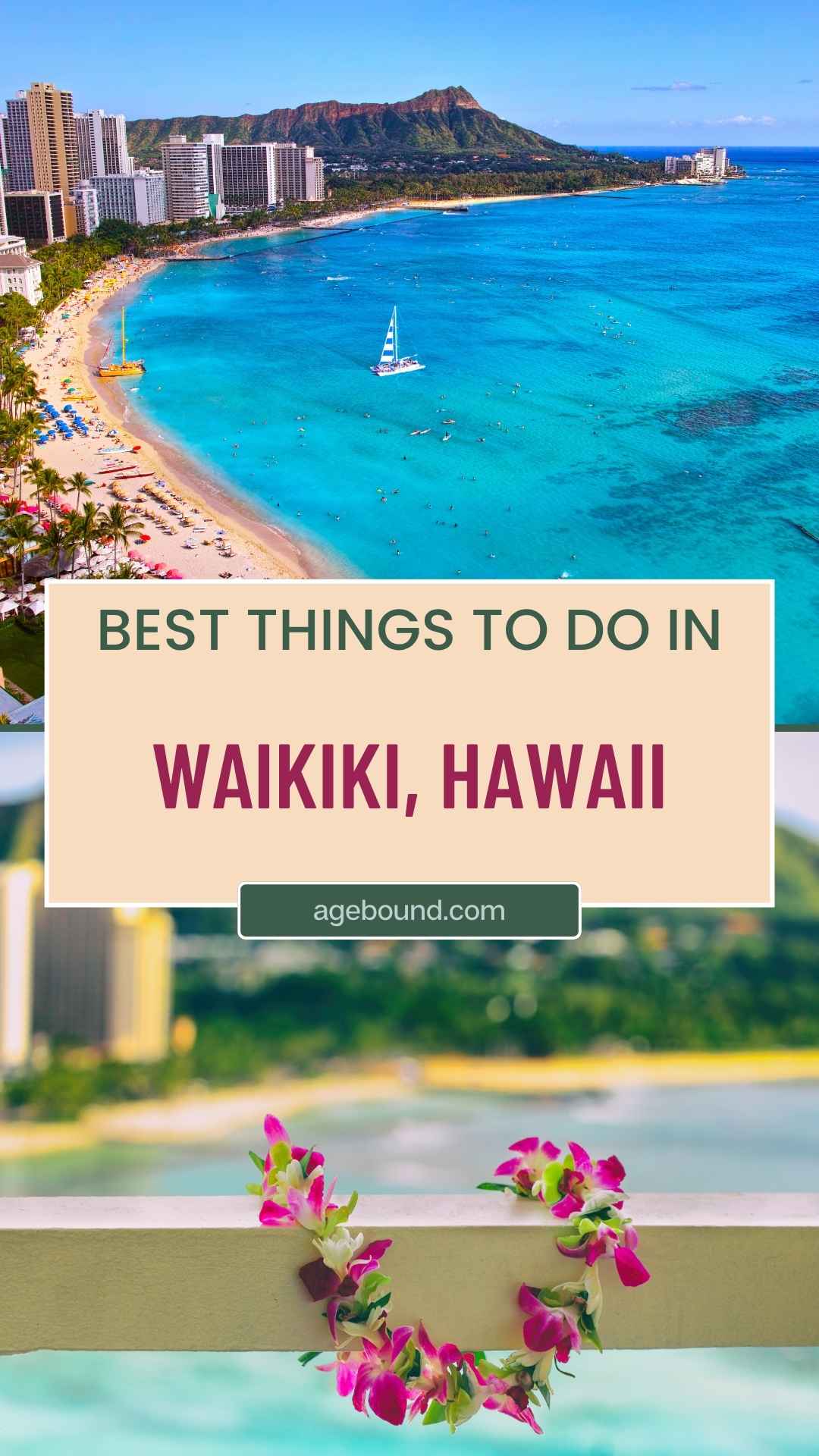
Sunset Views and Waikiki Wall
Waikiki sunsets bring bright colors that draw crowds each evening. For a classic view, head to the Waikiki Wall area near the Hilton Lagoon; you’ll get an open view to the west and a place to sit while the sky changes.
Try the grassy spots near the Duke Kahanamoku statue or the far end of Kuhio Beach for a quieter vantage. Bring a camera for silhouette shots of surfers and Diamond Head against the glowing sky.
Book a short sunset sail if you want to watch from the water. These cruises take you west of the shore for open-ocean views and fewer building reflections.
Explore Kahanamoku and Kuhio Beach
Kahanamoku Beach honors Duke Kahanamoku, the surfing legend, with a statue and a family-friendly shore. Visit the statue, read the plaques, and learn about surfing history where the sport grew modern roots.
Kuhio Beach sits between the main Waikiki stretch and Diamond Head direction. It has calm lagoon areas, protected swimming zones, and frequent hula or cultural performances near the shoreline. Lifeguard towers are nearby, making it safe for children and casual snorkelers.
Both beaches connect to the Waikiki Walk, so you can stroll to cafes, poke shops, and surf rental stands in minutes.
Top Outdoor and Ocean Adventures
Waikiki offers calm ocean wildlife encounters, fast water rides, and easy beach parks for picnics and play. Each option lists where to go, what to expect, and simple tips to make your outing safer and more fun.
Snorkel with Turtles at Turtle Canyon
Turtle Canyon sits a short boat ride off Waikiki, near Kewalo Basin Harbor. Tours provide masks, snorkels, and in-water guides who show you where to float and how to approach without stressing the honu (Hawaiian green sea turtles).
Water depth is usually 15–30 feet, with clear sightlines when conditions are calm. Morning trips often give the clearest water and calmer seas. Keep at least 6 feet between you and any turtle; touching or chasing them is illegal and harms the reef.
Bring reef-safe sunscreen, a rash guard, and a waterproof bag for your phone. Choose an operator that includes conservation briefings so you learn reef etiquette while you snorkel.
Outrigger Canoe and Catamaran Cruises
Outrigger canoe rides and catamaran cruises show you Waikiki’s coastline from the water. An outrigger gives a traditional, stable paddling experience close to shore, usually led by trained crew who let you try paddling. The Outrigger Waikiki Beach Resort runs programs and lessons that connect you to Hawaiian paddling culture.
Catamarans depart from Kewalo Basin for longer cruises. They work well for sunset trips, whale watching (in season), or relaxed daytime sails. Catamarans sit higher and feel steadier in waves, which helps if you get seasick easily.
Wear non-marking water shoes and a light jacket for evening sails. Reserve spots in advance for sunset cruises, and ask about life jacket sizes if you travel with kids.
Parasailing, Surfing, and Stand-Up Paddleboarding
Parasailing gives you a high, quiet view of Waikiki and Diamond Head. Operators near the beachfront brief you on safety and harness fit. Parasails keep you attached to the boat and return you gently to the water or deck.
Surf lessons focus on the gentle breaks at Waikiki Beach. Instructors supply soft-top boards and teach paddling, popping up, and wave selection. Group lessons work well for beginners; private lessons speed learning.
Stand-up paddleboarding (SUP) suits calm mornings. Rent boards at beach stands or take a guided SUP tour into Ala Moana waters. For all three sports, check weather, sign waivers, and wear a leash for SUP.
Magic Island and Ala Moana Beach Park
Magic Island, within Ala Moana Beach Park, offers a protected lagoon, shaded lawns, and paved paths for walking. The lagoon’s calm water is ideal for kids, picnics, and gentle swimming. Restrooms, picnic tables, and BBQ grills are nearby.
Ala Moana Beach Park stretches along the shoreline and connects to Waikiki by a short drive or bus. The reef off the park provides good snorkeling on calm days. The park also hosts local events and early-morning walkers; parking fills up on weekends.
Bring a beach blanket, plenty of water, and a cooler for a half-day at Magic Island. For snorkeling, arrive early for better water clarity and easier parking.
Must-See Attractions and Nearby Sights
See volcanic peaks, marine life, wartime history, and famous North Shore beaches all within a short drive from Waikiki. Each site offers practical details for planning your visit.
Hike Diamond Head State Monument
Diamond Head State Monument, located just east of Waikiki, offers some of the most breathtaking panoramic views of Honolulu and the stunning Hawaiian coastline. It’s a must-visit for anyone looking to experience a moderate outdoor adventure with a rewarding vista.
- Location & Views: Situated east of Waikiki, providing panoramic views of Honolulu, the coast, the crater floor, the iconic Diamond Head lighthouse, and Waikiki Beach.
- Trail Details: The Summit Trail is approximately 1.6 miles round trip, a moderate climb featuring steep stairs, tunnels, and switchbacks, typically taking 45–90 minutes.
- Preparation: Essential items include sturdy shoes, water, and sunscreen for a comfortable hike.
- Visitor Tips: A small entrance fee is required. Arrive early to avoid crowds and heat, as the trail may close early on busy days.
Visit Waikiki Aquarium and Honolulu Zoo
The Waikiki Aquarium sits on the shoreline near Kaimana Beach and focuses on Pacific marine life. See coral exhibits, native reef fish, and a touch tank to learn about local species. It’s compact, so plan 45–90 minutes for a relaxed visit.
The Honolulu Zoo lies in Kapiʻolani Park next to the aquarium. See tropical birds, Hawaiian monk seal exhibits, and family-friendly trails. Both sites are walkable from many Waikiki hotels. Buy tickets online when possible, and visit in the morning when animals are most active and the grounds are cooler.
Explore Pearl Harbor National Memorial
Pearl Harbor National Memorial preserves sites tied to the December 7, 1941 attack and includes the USS Arizona Memorial, the USS Missouri, and the Bowfin Submarine. Reserve a timed ticket for the USS Arizona Memorial, especially on weekends and holidays. The visitor center offers exhibits and a short film about the events and lives affected.
Combine the Arizona Memorial with a guided tour to the USS Missouri and Bowfin for a fuller historical view. Allow at least half a day to see the main memorials and museum displays. Wear comfortable shoes and bring water, as you’ll spend time walking outdoors.
Key Takeaway
- Book tickets online for popular attractions like USS Arizona Memorial and Hanauma Bay.
- Visit zoos and aquariums in the morning when animals are active and weather is cooler.
- Allow ample time for Pearl Harbor (half a day) and wear comfortable shoes.
- Consider small-group tours for Circle Island for better photo opportunities.
- Always bring sun protection and water, especially for outdoor activities.
Circle Island and North Shore Tours
A Circle Island tour takes you around Oahu’s coast to see Hanauma Bay, the Dole Plantation, and the North Shore in one day. Choose a small-group tour for photo stops and short walks; larger coach tours offer a relaxed ride with guided commentary. North Shore tours highlight famous surf breaks like Banzai Pipeline and Waimea Bay, especially dramatic in winter.
If you plan to snorkel, pick a tour that includes Hanauma Bay and remember to make reservations for Hanauma Bay on certain days. The Dole Plantation stop gives you a chance to taste pineapple treats and ride the garden train. Check pickup and drop-off locations in Waikiki and bring sun protection and a swimsuit if you plan to swim or snorkel.
Immerse in Hawaiian Culture and History
Learn about Hawaii through food, music, dance, and historic places. These experiences offer hands-on learning, live performances, and guided tours that connect you to Waikiki’s past and present.
Attend a Traditional Hawaiian Luau
A Hawaiian luau gives you a full-senses look at local culture. In Waikiki, options range from small resort luaus to larger shows like the Waikiki Starlight Luau. Expect a welcome with lei, a buffet with kalua pig cooked in an underground imu, poi, poke, and tropical fruits.
Shows usually include storytelling between songs, demonstrations of coconut husking, and explanations of Hawaiian customs. Ask if the meal accommodates allergies or dietary limits when you book. Arrive early to pick a good seat and join any pre-show activities like lei-making or imu viewing.
- Book in advance for weekend nights.
- Look for luaus that partner with Native Hawaiian groups for authenticity.
- Bring a light jacket for cooler evenings near the beach.
See Hula Performances and Live Music
Hula and live Hawaiian music are central to Waikiki’s cultural scene. Catch performances at hotels, the Royal Hawaiian Hotel’s lawn events, and venues like House Without a Key. The Royal Hawaiian Band also gives free outdoor concerts with historic march music and Hawaiian songs.
Hula comes in two styles: kahiko (ancient, with chant and traditional drums) and auana (modern, with ukulele and guitar). Watch the dancers’ hand motions closely; they tell the story of the song. Check schedules online for weekly hula shows and nightly hotel entertainment to plan your visit.
- Free public concerts at parks or hotel lawns.
- Paid shows that combine hula with dinner.
- Short pre-show demos where you can learn basic steps.
Tour Historic Royal Hawaiian Hotel
The Royal Hawaiian Hotel is a pink landmark on Waikiki Beach with deep ties to island history. Built in the 1920s, it blends Spanish-Moorish design with Hawaiian motifs. Walk the grounds to see historic murals, carved koa wood, and the beachfront lawn used for cultural events.
Inside, you’ll find the House Without a Key restaurant known for nightly live music and lei greetings. Ask the concierge about heritage tours or evening performances on the lawn. If you love history, look for plaques and photos that share stories of early visitors and royal connections.
Visitor notes:
- Public areas are open for photos, but respect private guest spaces.
- Dining at House Without a Key often includes live hula and music.
- Check for special cultural events that might require advance tickets.
Discover Iolani Palace and Downtown Honolulu
Iolani Palace sits in downtown Honolulu and once served as the Hawaiian monarchy’s royal residence. Guided tours explain the 19th-century monarchy, artifacts, and the 1893 overthrow. Audio tours provide details about Queen Liliʻuokalani and royal objects on display.
Downtown Honolulu hosts Royal Hawaiian Band concerts and historic walking routes. You can visit government buildings, historic churches, and small museums within a short walk. Plan 2–3 hours for a palace tour and time to explore nearby exhibits and shops.
Practical tips:
- Buy palace tickets online to secure a tour slot.
- Combine the visit with a walking tour that covers King Kamehameha statues and Iolani Barracks.
- Wear comfortable shoes; many sites are close together but require walking on paved surfaces.
Shopping, Dining, and Nightlife Highlights
Waikiki offers high-end shops, local food stands, and lively evening spots within walking distance. You’ll find big-name stores, Hawaiian brands, local bites like spam musubi or shave ice, and live music or sunset cocktails without leaving the neighborhood.
Stroll Kalakaua Avenue
Kalakaua Avenue runs along Waikiki Beach and serves as the main street for shops, hotels, and restaurants. Walk from the Royal Hawaiian Hotel toward the Hilton to pass designer stores, surf shops, and kiosks selling leis and macadamia nut treats.
Look for street performers and pop-up stands for a banana-acai bowl or cold shave ice between shops. For souvenirs, stop at the Honolulu Cookie Company for packaged shortbread or local chocolate-covered macadamia nuts.
Evenings are lively here. The avenue glows with hotel bars and rooftop lounges. Pause for a mai tai at a beachfront bar, then continue window-shopping or step into a boutique for local clothing.
International Market Place and Royal Hawaiian Center
The International Market Place and Royal Hawaiian Center anchor Kalakaua Avenue with open-air malls that blend local craft and global brands. The International Market Place features restored banyan trees, kiosks with Hawaiian jewelry, and food vendors for quick bites.
Royal Hawaiian Center offers cultural activities and shops, from chain stores to Hawaiian specialty boutiques. You’ll find aloha shirts, ukuleles, and island-made soaps. Both centers host free hula demonstrations or lei-making classes on certain days.
Use their concierge desks to book tours or the Waikiki Trolley. For a larger mall, Ala Moana Center is a short trolley or bus ride away and offers department stores and more dining choices.
Best Waikiki Restaurants and Local Treats
Waikiki serves everything from beachside plate lunches to upscale dining. For classic local flavors, try spam musubi from a market stall or a poke bowl from a lunch counter. For sweets, stop at Honolulu Cookie Company for shortbread or buy a macadamia nut treat at a bakery.
If you want something fresh, many stands offer acai bowls with banana, granola, and honey. For a sit-down meal, pick a restaurant that features local fish and Hawaiian produce; reservations help at popular spots. Cool off with shave ice—add condensed milk or azuki beans as toppings.
For drinks, visit a mai tai bar near the beach at sunset. Many restaurants mix Hawaiian flavors into cocktails and fusion plates, so try a few to find your favorites.
Experience Waikiki Trolley and Blue Note Hawaii
The Waikiki Trolley makes it easy to reach key sites like Ala Moana Center, Diamond Head, or cultural stops. Buy a day pass for unlimited rides and skip parking hassles. Drivers often point out landmarks, which helps if you’re new to Honolulu.
Blue Note Hawaii offers live music in Waikiki. Check the schedule for jazz, Hawaiian artists, and touring acts. Pair a show with dinner in the area—many restaurants seat you before performances. For casual nightlife, take a short trolley ride to bars along Kalakaua Avenue for cocktails and live local music.
Family-Friendly Activities and Parks
Waikiki has green spaces, calm lagoons, and hands-on history nearby. These spots offer playgrounds, picnic areas, short walks, and easy ways to keep kids busy without long drives.
Kapiolani Park and Kapiolani Bandstand
Kapiolani Park sits at the east end of Waikiki, right below Diamond Head. Spread a blanket, watch surfers from a distance, or let kids run on wide grassy fields. The park has shady trees, restrooms, and benches near the main paths, making it easy to supervise small children.
The Kapiolani Bandstand hosts free hula shows, concerts, and community events. Check local event calendars for scheduled performances—you can plan a picnic and an evening show. The park is stroller-friendly and close to Waikiki Aquarium and the zoo if you want more family stops.
Magic Island Lagoon and Duke Kahanamoku Lagoon
Magic Island is a man-made peninsula with a protected lagoon that stays calm most days. The Duke Kahanamoku Lagoon beside it has shallow water and a sandy shore that’s great for toddlers and paddle boarding beginners. Lifeguards are sometimes on duty near popular spots, but always watch children closely.
Walk the paved path that loops the peninsula for easy stroller rides and skyline views. Bring sunscreen and a hat; shade is limited. Picnic tables and grassy patches let you eat while kids play in the gentle surf or skip stones along the lagoon edge.
Foster Botanical Garden and Waikiki Shell
Foster Botanical Garden is a quiet, tree-lined spot a short drive from Waikiki. You’ll find labeled plants, a small pond, and shaded paths for calm, educational walks. Kids who like bugs and flowers will enjoy the variety of palms and rare plant specimens.
Waikiki Shell, nearby in Kapiolani Park, hosts family-friendly concerts and events. The lawn seating works well for kids who need space to move. Check the Shell’s schedule for free or low-cost children’s performances and outdoor movie nights.
U.S. Army Museum and Educational Attractions
The U.S. Army Museum at Fort DeRussy sits near Waikiki’s beachfront park and offers military exhibits for older kids and teens. You can see uniforms, artifacts, and displays about Hawaii’s role in U.S. military history. Admission is usually low-cost or free, but check hours before your visit.
Nearby educational stops include small galleries and visitor centers along Beach Walk and Ala Moana. These spots often feature short exhibits on Hawaiian culture and marine life that fit into a half-hour visit, making them good options for an indoor break from sun or rain.
Where to Stay in Waikiki
Pick a spot near the beach for easy ocean access, or choose a hotel closer to Kalakaua Avenue for shopping and dining. Waikiki has luxury resorts, budget options, and historic hotels all within a short walk of each other.
Luxury Resorts and Iconic Hotels
For classic luxury, consider the Royal Hawaiian or the Moana Surfrider. The Royal Hawaiian sits right on Waikiki Beach with pink architecture and onsite restaurants; many rooms have private lanais and ocean views. Moana Surfrider dates to 1901 and offers historic charm and modern amenities in the Tower Wing.
If you want big-name service and lots of activities, try the Hilton Hawaiian Village. It has multiple pools, a saltwater lagoon for kids, and frequent events like live music and Friday fireworks. These properties charge resort fees, but they also offer spas, concierge services, and easy beach access.
Budget-Friendly Stays and Family Options
You can save money without losing location. Hotels like the Outrigger Waikiki Beachcomber and mid-range options near Ala Moana offer simpler rooms, on-site dining, and daily activities without premium prices. Embassy Suites and larger condo-style hotels give you suites or kitchenettes, which help families prepare meals and cut costs.
Look for properties a block or two from the sand to balance price and convenience. Many budget hotels still provide beach gear rentals, daily cultural programs, and pools—helpful if you travel with kids. Booking a suite or condo can reduce lunch and dinner costs and make your stay more flexible.
Unique and Historic Accommodations
If you prefer character, choose the Moana Surfrider or the Royal Hawaiian for history and distinctive design. Both offer historic public spaces where you can sit under a banyan tree or enjoy sunset music. These hotels host cultural events like ukulele lessons and lei-making that connect you to local traditions.
For a condo feel on the beach, try Waikiki Shore or Aston Waikiki Beach Tower. They provide kitchen facilities and longer-stay options while keeping you on the sand. Staying in a historic or condo property often means calmer evenings and a more local pace, compared with the large resort footprint of hotels like the Hilton Hawaiian Village.
Frequently Asked Questions
This section answers common practical questions about beaches, family activities, sunsets, food, shopping, and water sports in Waikiki. Each answer gives specific places and quick tips to help you plan your time.
What are some must-visit beaches in Waikiki for first-time visitors?
Waikiki Beach is the main spot for swimming, sunbathing, and beginner surf lessons. The sand near Duke Kahanamoku Statue is wide and easy to access from hotels.
Kaimana Beach (in front of the park near the Honolulu Zoo) has gentler waves and good snorkeling at the rocky ends. For a quieter stretch, walk east toward Ala Moana Beach Park for more space and calmer water.
Can you recommend top family-friendly activities in Waikiki?
Take a beginner surf lesson on Waikiki Beach—many schools offer group lessons and kids’ programs. The Waikiki Aquarium and Honolulu Zoo are close together and make easy, short outings for young children.
Hop on the Waikiki Trolley or join a glass-bottom boat tour to see marine life without getting wet. For a calm afternoon, try a catamaran cruise that leaves from the Ala Wai Harbor.
What are the best places to catch a sunset in Waikiki?
Catch sunset from Waikiki Beach near the shoreline for classic hotel and ocean views. The area in front of the Royal Hawaiian Hotel and Duke Kahanamoku Statue gives good photo angles.
For an elevated view, hike the short trail to the Diamond Head lookout before sunset. For a less crowded spot, head east to Sandy Beach Park or the Halona Blowhole lookout.
Where can I find the most delicious local food in Waikiki?
Try plate lunches at Rainbow Drive-In for a classic local meal of meat, rice, and macaroni salad. For poke bowls, look for shops like Maguro Brothers or local poke counters that offer fresh ahi combinations.
Grab shave ice at Waiola Shave Ice or Liliha Bakery for a sweet local treat. For casual food trucks and local bites, visit Kahai Street Kitchen and nearby food truck parks.
Are there any unique shopping experiences in Waikiki?
Stroll Kalakaua Avenue for luxury boutiques and flagship stores if you want designer shopping and window displays. The International Market Place offers Hawaiian crafts, souvenirs, and small local vendors in an open-air setting.
A short drive takes you to Ala Moana Center, a large outdoor mall with both luxury shops and local brands for a wider shopping mix.
What water sports should I try while in Waikiki?
Take a surfing lesson on Waikiki Beach if you’ve never surfed—conditions there suit beginners. Stand-up paddleboarding (SUP) gives you an easy way to enjoy the water and explore the shoreline.
Book a snorkeling tour to Hanauma Bay or other protected reefs to see fish and sea turtles. For something different, go on a catamaran sail or try bodyboarding at east-side beaches when waves are bigger.